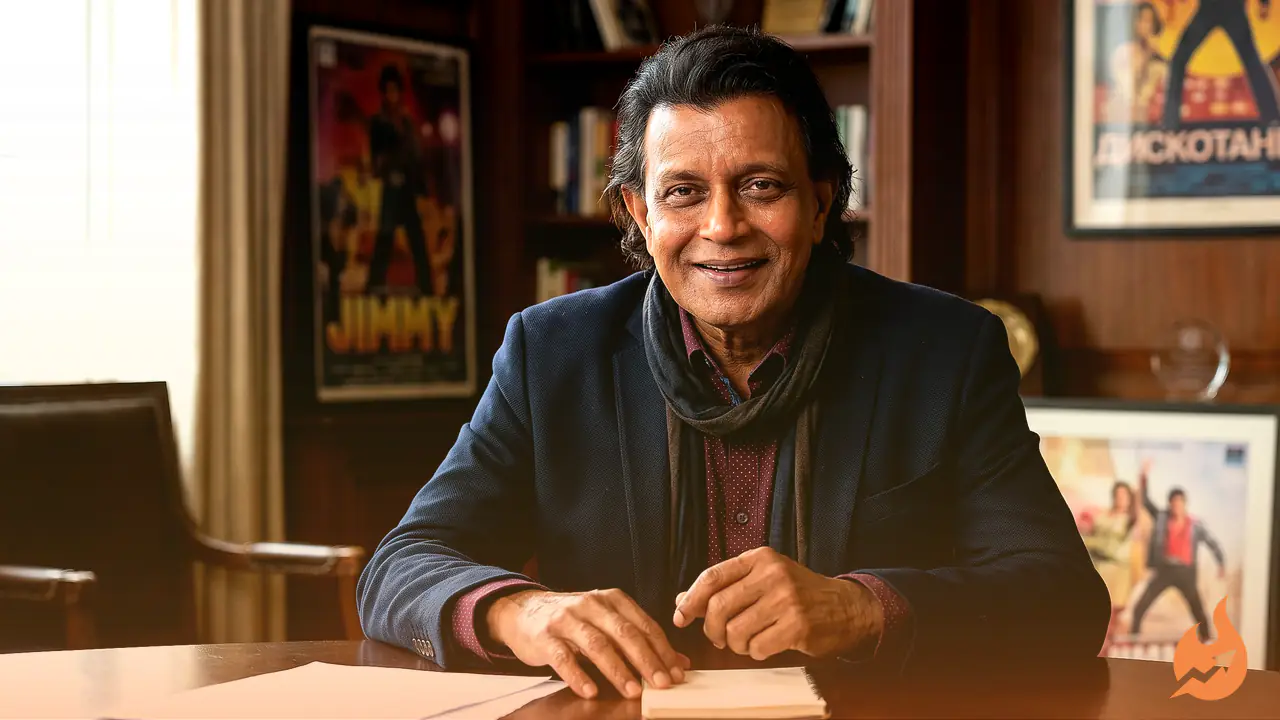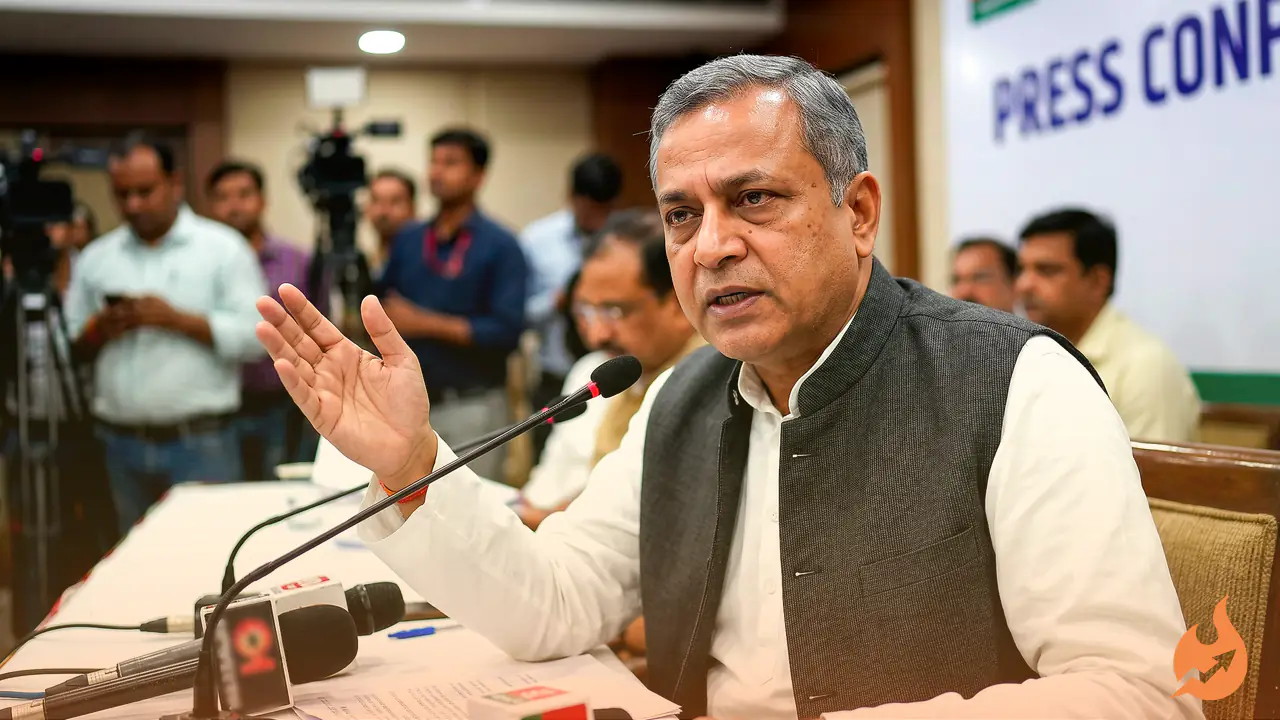

A pointed debate over opposition unity has flared up in West Bengal politics. On Monday, senior Samajwadi Party leader Kiranmoy Nanda put both former Chief Minister Mamata Banerjee and the INDIA bloc in the dock. According to him, the opposition alliance is nowhere to be seen on the ground, because the very parties that call themselves partners are contesting against one another in several states.
A Direct Question Over the INDIA Bloc
Speaking to TrendKia, Nanda questioned the real state of the opposition grouping. In his view, the coordination is largely confined to paper and lacks any solid understanding at the grassroots. He asked, “The INDIA block is really a political agreement made on paper. If parties that claim to be allies are themselves fighting each other in elections, then where is the alliance really?”
To drive the point home, he cited two states where there has been no genuine electoral understanding among the INDIA bloc's constituents. Nanda said, “Was there an alliance in Bengal? No. Was there an alliance in Kerala? No. The truth is, at the state level there is no real alliance among many of these parties.” His message was clear, that a wide gap exists between claims of unity on the national stage and the ground reality in the states.
Targeting the Mamata Government's Record
Nanda squarely blamed his party's electoral defeat on the working of the Mamata government and the politics of religious appeasement. Calling the Trinamool's tenure a failure, he said public resentment was clearly reflected in the lead the BJP secured. In his words, “The previous government's 15-year term saw bad governance, not good. The BJP winning 208 seats was the result of people's anger against the Mamata Banerjee government.”
The Religion Card That Backfired
The senior leader's most serious charge was that Mamata Banerjee herself introduced religion-based politics in the state, and that this very strategy eventually proved damaging for her. Nanda said, “Bengal traditionally did not have politics based on religion. It was Mamata Banerjee who started religious politics in the state, and ultimately it weighed heavily on her.”
Explaining Bengal's electoral character, he rejected the idea that caste plays any decisive role here. He believes votes are decided not by caste equations but by the mood of the people. He said, “There is no caste politics in Bengal. The voting pattern here is mostly decided by people's mood. In this respect, Bengal has historically been different from many other states.”
Worry Over Defections
Nanda also weighed in on the growing trend of politicians repeatedly switching sides. He described it as dangerous for democracy, even though the current legal framework permits it. He said, “Repeatedly changing parties is dangerous for democracy, although under the anti-defection law and the present political system such activities are legally valid.” His remarks have stirred fresh debate over both opposition unity and the shifting politics of Bengal.