

















Political parties in Uttar Pradesh are already gearing up for the 2027 assembly elections even though voting is still some way off. The BJP is reshuffling its organisation, the Samajwadi Party is building a region-specific strategy, the BSP is trying to protect its traditional base, and the Congress is working to rebuild its organisation in several pockets. The Rashtriya Lok Dal, meanwhile, is looking for a fresh political role for itself in western UP. The 2024 Lok Sabha election made one thing clear, the political mood across Uttar Pradesh is far from uniform. The BJP held firm in some belts, the Samajwadi Party gained ground in others, and in a few pockets the contest changed altogether. That is why understanding the road to 2027 means looking at each region of the state on its own terms, from western UP and Rohilkhand to Awadh, the Braj belt, Purvanchal and Bundelkhand.
Western UP: will it hold the key to power again?
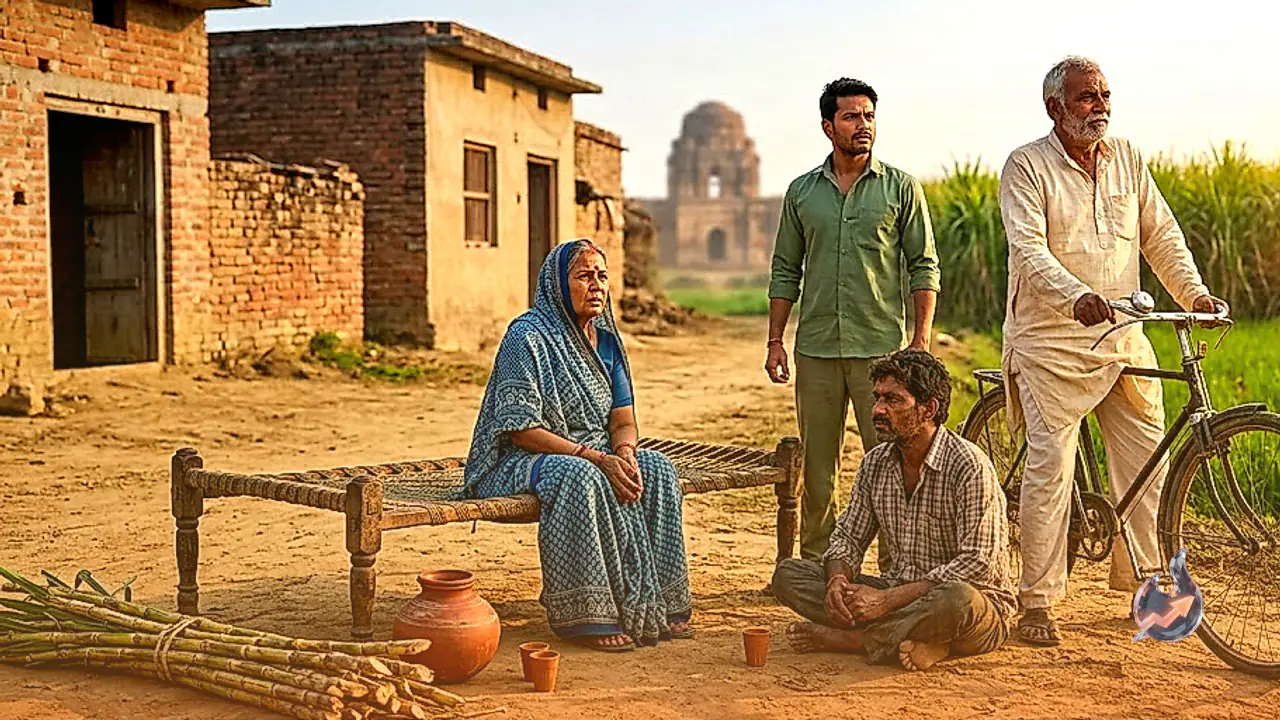
Western UP is widely seen as the most politically sensitive stretch of Uttar Pradesh. Jats, Gurjars, Muslims, Dalits and backward castes all carry significant weight here, which keeps issues like sugarcane farmers, the minimum support price, law and order, and communal polarisation at the centre of every election in the region. The BJP put up a strong show here in the 2019 Lok Sabha election, but the picture changed sharply by 2024. A new alliance arrangement between the Samajwadi Party and the Rashtriya Lok Dal, combined with local issues, tightened the contest on several seats, and the BJP could not repeat its earlier comfortable lead. Districts like Meerut, Muzaffarnagar, Baghpat, Shamli, Saharanpur and Bijnor will again be the ones to watch in 2027, since the outcome there will largely decide which way western UP tilts.
Rohilkhand: the real test of the Muslim-Dalit-OBC arithmetic
Bareilly, Rampur, Moradabad, Sambhal, Amroha, Budaun and Shahjahanpur together make up the Rohilkhand belt. The Muslim population is decisive on several seats here, and the Dalit and backward-caste vote also has a strong bearing on results. The opposition performed comparatively better in this region in the 2024 Lok Sabha election, with the Samajwadi Party pulling ahead on multiple seats. That result is a clear signal that Rohilkhand will remain equally important for both major parties heading into 2027, and the outcome here could have a direct bearing on who forms the next state government.
Awadh: is the BJP's old stronghold still secure?
Lucknow, Bahraich, Ayodhya, Barabanki, Sitapur, Hardoi, Unnao, Raebareli, Amethi, Sultanpur and Gonda together shape the politics of the Awadh region. The BJP delivered an outstanding performance across this belt in both the 2017 and 2022 assembly elections, but the 2024 Lok Sabha election sent out the sharpest political message from this very region. The BJP's defeat on the Ayodhya, or Faizabad, seat drew the most attention, while the Raebareli seat went to the Congress. The contest tightened considerably on several other seats too, and analysts read this as a serious political warning for the BJP. That said, an assembly election runs on a different arithmetic from a Lok Sabha contest, and the BJP's organisation and booth-level network are still considered strong in this belt. That is why Awadh could once again become the site of some of the biggest electoral battles in 2027.
Braj region: will the BJP's edge hold or will it slip?
Agra, Mathura, Aligarh, Hathras, Firozabad, Etah and Kasganj together form what is known as the Braj region. The BJP has held a strong position here for a long time, built on religious identity issues, urban voter support and organisational strength. However, the Samajwadi Party has been steadily expanding its footprint in Yadav-dominated pockets and some rural seats, which is gradually making the contest here more balanced. The fight in the Braj region is expected to be considerably more interesting in the 2027 election than it has been in the past.
Purvanchal: the most seats, and the biggest political test
If there is one region that decides the road to power in Uttar Pradesh, it is Purvanchal. Made up of districts such as Varanasi, Gorakhpur, Azamgarh, Ghazipur, Jaunpur, Ballia, Mau, Deoria, Kushinagar, Maharajganj, Sant Kabir Nagar, Bhadohi, Mirzapur and Sonbhadra, this belt is significant not just for its geographical size but also because it holds the largest number of assembly seats in the state. It is also the region that Prime Minister Narendra Modi represents through the Varanasi seat and Chief Minister Yogi Adityanath represents through the Gorakhpur seat, which is why the entire country watches Purvanchal in every election. The BJP put up an outstanding performance here in the 2017 assembly election and held on to its lead in 2022 as well. But the picture shifted in the 2024 Lok Sabha election, with the Samajwadi Party gaining ground on several seats and the BJP facing a tough challenge even on seats long considered its strongholds.
Who holds the stronger hand in Purvanchal?
Elections in Purvanchal are never fought on a single issue. Hindutva, development claims, caste arithmetic, local faces and party organisation all come into play together here. For the BJP, Yogi Adityanath's image, the party's organisational strength and central and state government schemes are its biggest assets. The Samajwadi Party, on the other hand, is working through its PDA formula, the backward-Dalit-minority arithmetic, to bring non-Yadav backward castes, Dalits and Muslims together on its side. With both strategies pulling in opposite directions, Purvanchal looks set to become the state's biggest battleground in 2027.
Bundelkhand: development claims versus public resentment
Jhansi, Jalaun, Lalitpur, Mahoba, Hamirpur, Banda and Chitrakoot together make up the Bundelkhand region. There was a time when water shortages, drought and migration were the biggest electoral issues here. But over the past few years, the BJP government has projected expressways, the defence corridor, road construction and irrigation projects as its major achievements in the belt. These claims worked strongly in the BJP's favour in both the 2017 and 2022 assembly elections. However, the 2024 Lok Sabha election did not see quite the same one-sided mood in this region either, with some signs of a shifting contest here as well, making it clear that in 2027 the BJP will need its development record to outweigh any public resentment on the ground.