




















The Congress party finds itself under fire over two separate decisions, one in Bihar and one in Karnataka, that have triggered criticism from both inside and outside its ranks. In Bihar, senior leaders of the party itself are questioning the conditions attached to organisational appointments, while in Karnataka the opposition is accusing the state government of using public money to push a political campaign under the garb of a youth welfare scheme. In both cases, the common thread is the same: money and government resources allegedly being used to strengthen the party.
Why Bihar's Srijan Sathi Outreach Programme Has Run Into Trouble
The Bihar Pradesh Congress Committee, or BPCC, launched a new initiative on April 11 called the Srijan Sathi Jansampark Karyakram, or Srijan Sathi outreach programme. State president Rajesh Ram described it as a step toward bringing transparency to the organisation and giving grassroots workers a genuine path to advancement, rather than leaving appointments purely to the discretion of senior leadership. But almost as soon as the terms of the scheme became public, they drew sharp criticism from within the party.
Under the programme, any leader hoping to be considered for an organisational post first has to enrol supporters as Srijan Sathis. Each supporter's digital registration requires a deposit of 50 rupees. The more supporters a leader signs up, the stronger their case for a recommendation becomes. Specifically, enrolling 3,000 Srijan Sathis makes a leader eligible for a recommendation as state vice president, 2,000 for the post of general secretary, 1,000 for secretary, and just 200 members is enough to be considered for a district level post.
Are Party Posts Now Up For Sale?
Several senior leaders argue that this system rewards financial capacity over years of hard work and ideological commitment. According to one senior leader, a person who spends roughly 1.5 lakh rupees to register 3,000 supporters would automatically become eligible for a recommendation as state vice president. That has raised an uncomfortable question inside the party: what happens to workers who have spent years serving the organisation without expecting anything in return, if someone with deep pockets can leapfrog them into a senior post almost overnight.
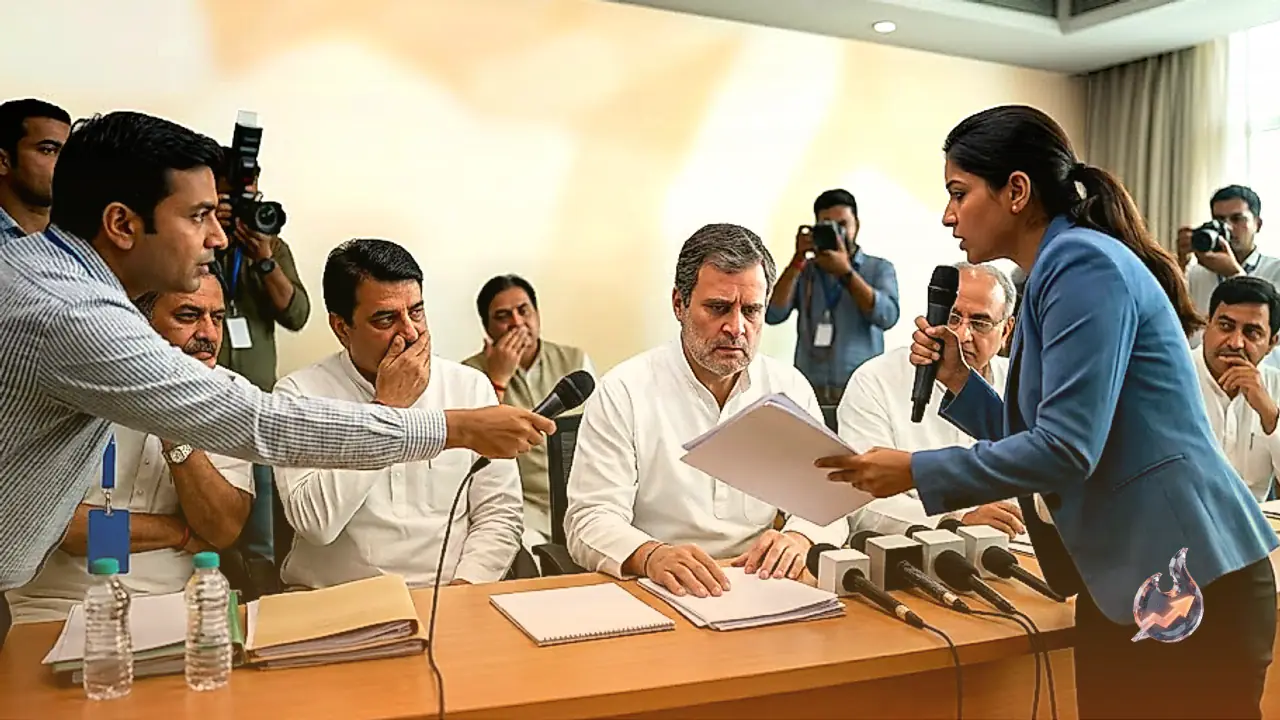
Katihar Congress MP Tariq Anwar has been among the most vocal critics of the model, calling it a violation of both the party's traditions and its constitution. He has also pointed out that no consultation was held with senior leaders before rolling out such a major change. The controversy has reportedly travelled all the way up to the party's top leadership, with sources indicating that details have already reached Rahul Gandhi and Congress president Mallikarjun Kharge.
State president Rajesh Ram, however, rejects all of these allegations outright. He insists the programme is not a membership drive but a pilot project aimed at organisational reform, one that has already received approval from the All India Congress Committee, or AICC. According to him, leaders will no longer need to lobby in Delhi or Patna to secure a post, because their actual grassroots support will now be measured through a transparent, digital process.
What's Fuelling the Row Over Karnataka's Bharat Jodo Youth Clubs
In Karnataka, meanwhile, the Congress government has decided to set up 10,000 Bharat Jodo Youth Clubs across the state. Per the government order, 6,000 of these clubs will come up in gram panchayats and the remaining 4,000 in urban areas. Each club is expected to cost around 10 lakh rupees, which means the entire scheme carries a price tag of roughly 1,000 crore rupees from the state exchequer. The government says the clubs are meant to engage young people through sports, social activities, leadership development programmes and community initiatives, channelling their energy in a constructive direction.
But the real controversy is over the clubs' name. The BJP alleges that the state government has essentially built a taxpayer-funded scheme around Rahul Gandhi's Bharat Jodo Yatra, and that public tax money is effectively being used to strengthen a political campaign associated with Congress. The opposition's argument is straightforward: if the government genuinely wanted to set up youth clubs, there was no need to borrow the name of a political yatra to do it.
A Difficult Moment for Congress on Two Fronts
Taken together, the Bihar and Karnataka controversies have put Congress in an uncomfortable spot. In Bihar, the party's own leaders are asking whether advancement within the organisation will now be measured in money rather than service. In Karnataka, the opposition is asking whether it is appropriate for a government scheme to be run under the banner of a political campaign at all. While the party defends both moves as necessary organisational reform, critics both inside and outside Congress continue to raise pointed questions. In the days ahead, these two controversies could well turn into a fresh headache for Congress on the national political stage, especially at a moment when the party is trying hard to project itself as organisationally stronger.