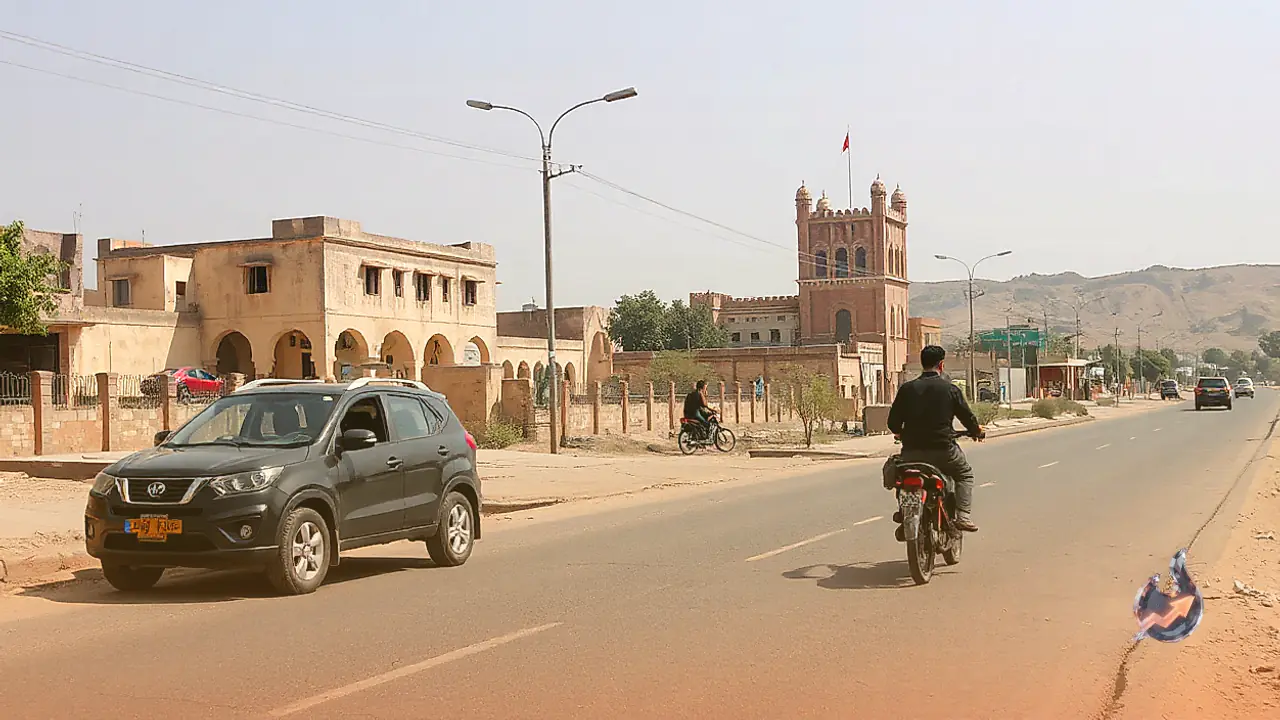

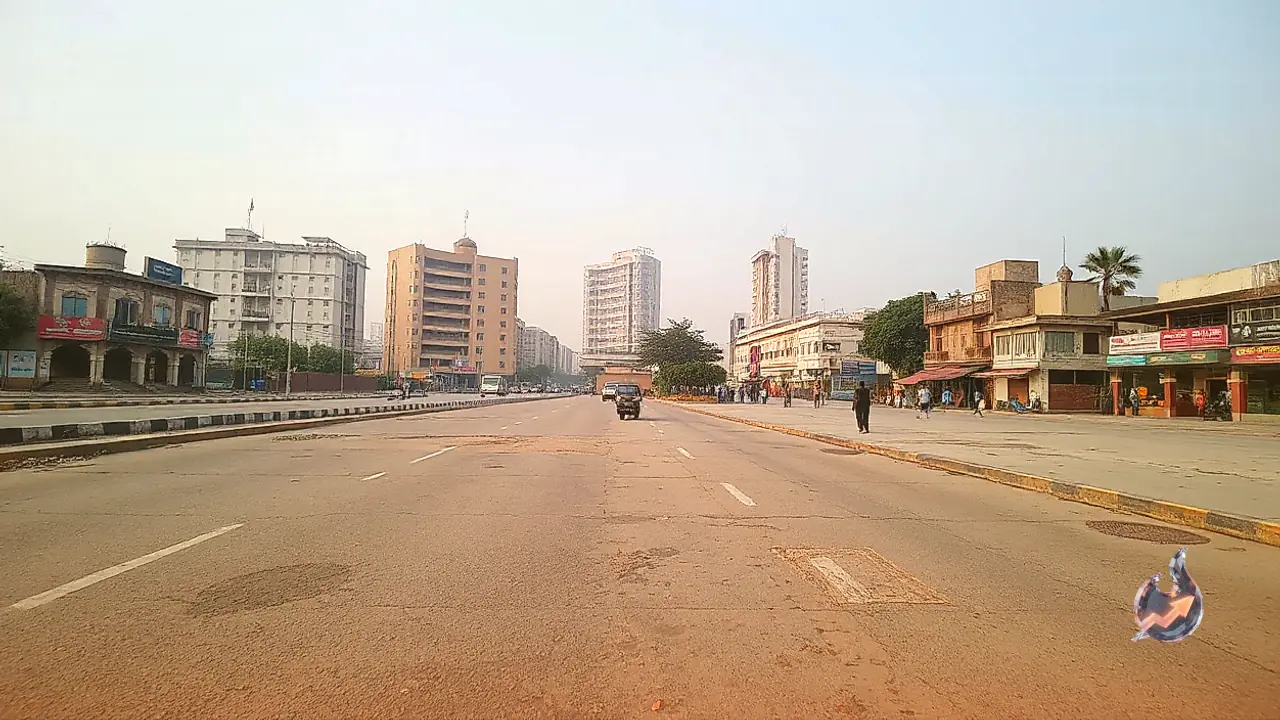
















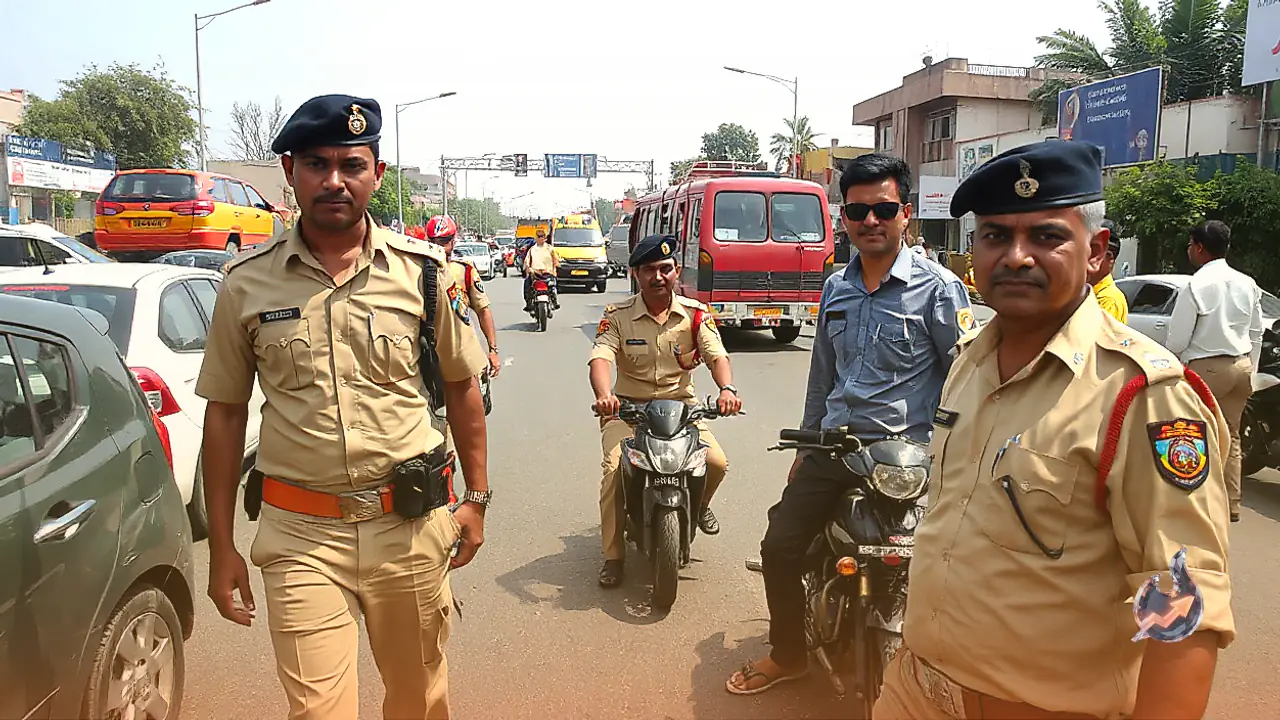

In an effort to streamline urban traffic management and provide relief to citizens from recurring transit hassles, the Jodhpur Traffic Police has introduced a major collaborative initiative. The Jodhpur Commissionerate Police has officially tied up with Google Maps to roll out this digital advancement. According to Jodhpur DCP Shaheen See, this novel measure has been initiated under the direct instructions of the Commissioner of Police. The core objective of this project is to instantly update real-time road closures, traffic diversions, and any form of roadway disruptions directly onto Google Maps. Specifically, information regarding traffic alterations implemented during festivals, major religious congregations, and special civic programs will be seamlessly integrated into the platform. This ensures that motorists receive advance notifications regarding alternate routes, empowering commuters to reach their destinations smoothly while avoiding unnecessary traffic congestion and saving valuable time.
Direct Digital Integration of Urban Traffic Systems
Under this initiative, significant traffic-related modifications across the Jodhpur Commissionerate jurisdiction will be communicated digitally to the general public. Whenever traffic is affected on any major thoroughfare due to ongoing construction work, road repairs, public events, or other administrative reasons, the corresponding updates will be promptly reflected on Google Maps. Consequently, drivers will be able to ascertain before stepping out whether traffic flow is normal along a particular route or if movement is restricted. The persistent endeavor of the traffic department is to ensure that details regarding any transit alterations reach citizens with minimal delay, preventing them from encountering sudden roadblocks or distress midway through their journeys.
Streamlining Diversions During Festivals and Religious Events
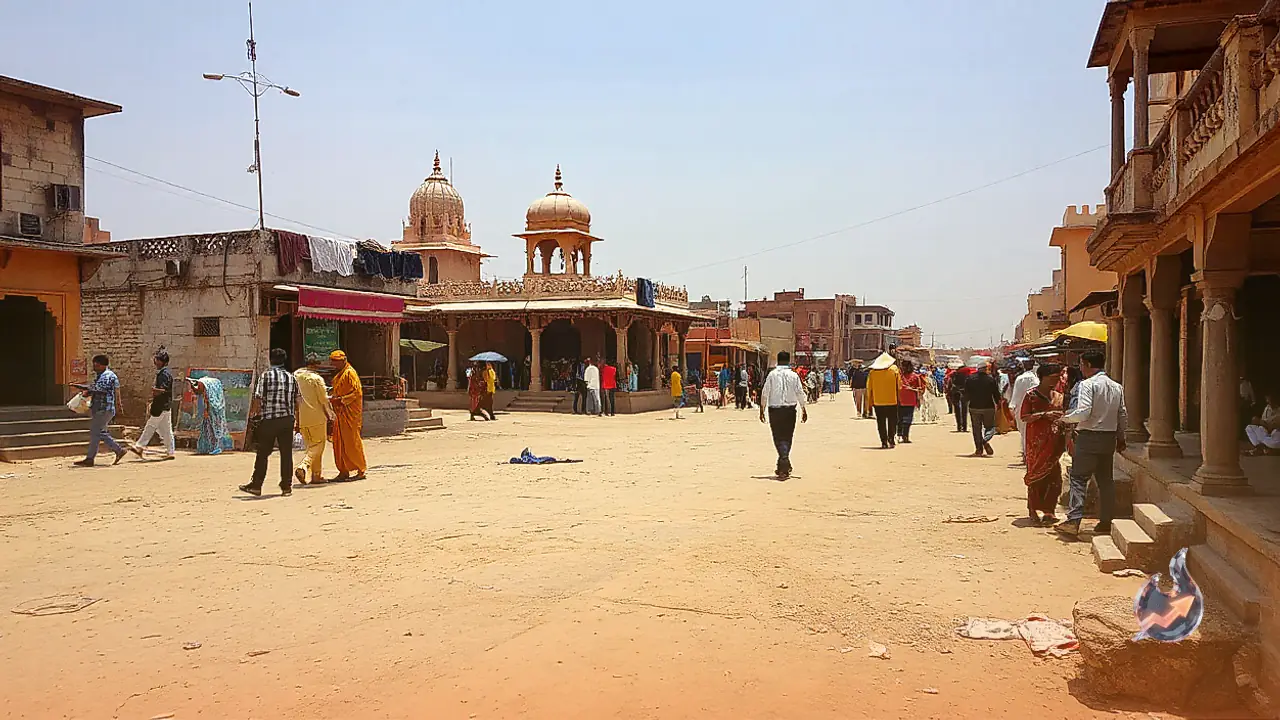
Throughout the year, Jodhpur hosts numerous religious gatherings, fairs, festivals, and diverse social events. During these festive occasions, altering traffic arrangements across the city's primary marketplaces, prominent religious shrines, and high-density zones becomes imperative. Frequently, certain routes must be sealed off entirely for security and crowd-control purposes, while vehicle movement on other stretches is restricted in favor of designated alternative pathways. Such scenarios traditionally pose significant challenges for both out-of-town visitors and local motorists alike. Moving forward, comprehensive details concerning traffic diversions and road closures enforced during these events will be actively updated on Google Maps, enabling residents to plan their commutes well in advance.
Access to Alternative Routes and Conservation of Time
A crucial dimension of this technological rollout is that drivers will not merely be informed about closed roads, but they will also be empowered to select alternative available routes via Google Maps. If a major artery experiences exceptionally high vehicle density or remains shut due to unavoidable circumstances, travelers can conveniently navigate through alternative pathways based on their current location and destination. This mechanism will substantially assist in mitigating vehicular congestion along singular corridors. Particularly within the city's inner quarters, major intersections, bustling marketplaces, and high-traffic commercial zones, this system is projected to deliver immense benefits. Ultimately, this will conserve the public's time and concurrently curtail the unnecessary burning of vehicular fuel.
Modernizing Traffic Management Through Technology
This progressive step by the Jodhpur Traffic Police is regarded as a pivotal milestone in leveraging modern technology to overhaul the city's traffic management framework. The police department is systematically organizing mechanisms to ensure that all prominent traffic diversions, temporary road closures, and unexpected transit obstructions are regularly refreshed on Google Maps. This facility will extend profound advantages not only to local inhabitants but also to tourists visiting Jodhpur and motorists arriving from neighboring towns, ensuring a safer and more efficient transit experience for all.