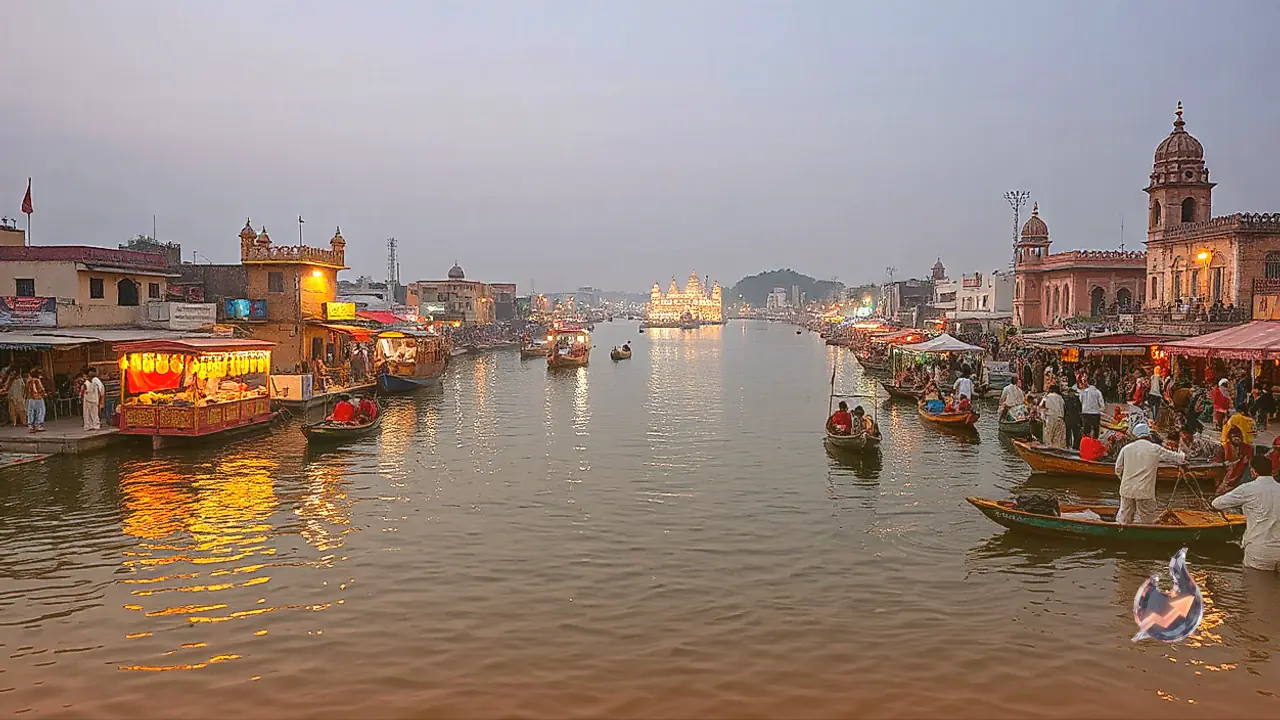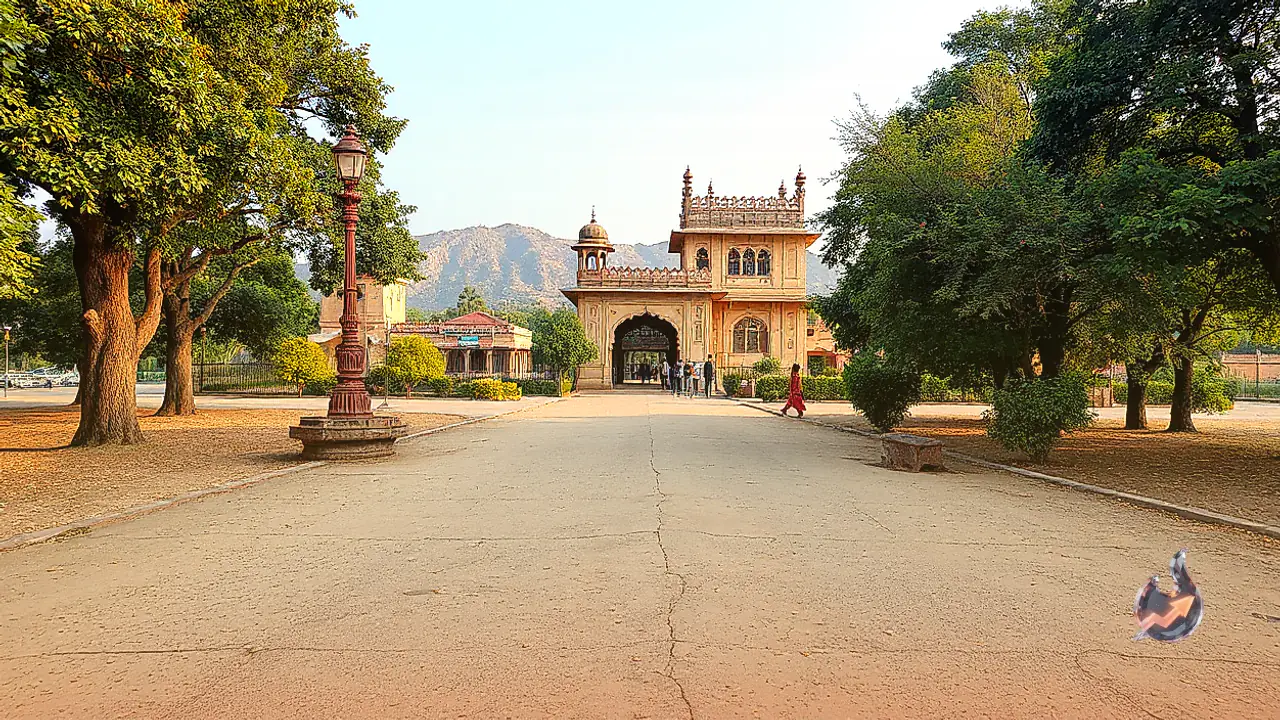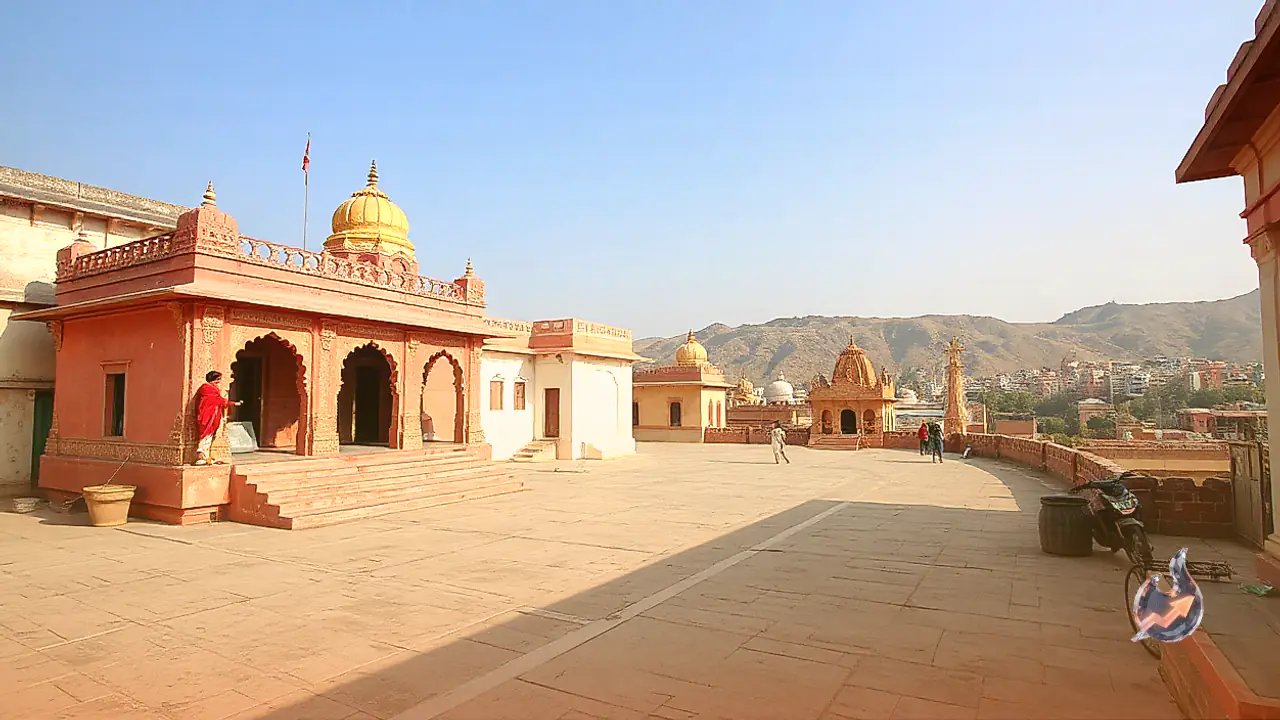

Nestled amid the rugged contours of the Aravalli hills in Rajasthan's Ajmer district, the historic town of Pushkar draws pilgrims and travelers from around the globe for its profound spiritual roots and rich past. While the town is globally recognized for its vibrant livestock fair and the sacred Pushkar Lake, most visitors associate its sanctity primarily with the Jagatpita Brahma Temple. However, the spiritual terrain of this revered pilgrimage hub extends far beyond a single shrine, encompassing several ancient religious sites that showcase distinct architectural styles, time-honored customs, and unique mythological narratives.
The Rare Jagatpita Brahma Temple Dedicated to the Creator
Located roughly 15 kilometers away from Ajmer, the Jagatpita Brahma Temple remains the foremost landmark for travelers arriving in Pushkar. Within Hindu theology, Lord Brahma is revered as the creator of the universe, yet shrines dedicated exclusively to his worship remain exceedingly rare across the subcontinent. This rarity elevates the sanctity of the Pushkar temple, making it an essential spiritual destination. Pilgrims journeying from across the country typically complete their holy dip in the adjacent sacred waters before offering prayers at this central complex, ensuring its status as a vital anchor of regional faith.
Panoramic Devotion at the Savitri Mata Temple Atop Ratnagiri Hill
Perched high on the summit of Ratnagiri Hill, the Savitri Mata Temple provides an exceptional combination of religious significance and striking natural beauty. Because of its steep hilltop location, visitors can ascend using traditional stone stairways or take advantage of an aerial ropeway system designed to ease the climb. Once at the peak, devotees are treated to sweeping panoramic vistas overlooking the entire town of Pushkar, the serene holy lake, and the surrounding arid valleys. The breathtaking landscape makes the uphill journey just as rewarding for landscape admirers as it is for devout pilgrims seeking blessings.
Architectural Splendor at the Historic Old Rangji Temple
Situated in close proximity to the sacred lake, the Old Rangji Temple represents a historic sanctuary dating back approximately 150 years. Consecrated to Lord Rangji, recognized as an incarnation of Lord Vishnu, this temple stands apart due to its striking structural design and specialized liturgical traditions. The sanctuary welcomes visitors daily starting from 6 am in the morning through 7 pm in the evening, allowing devotees ample time to participate in rituals and explore the tranquil courtyard, which preserves an enduring legacy of regional religious craftsmanship.
Honoring Cosmic Preservation at the Central Varaha Temple
Standing in the heart of the town, the Varaha Temple ranks among the oldest and most culturally significant monuments in the area. Dedicated to the Varaha boar incarnation of Lord Vishnu, the temple commemorates the mythological event wherein the deity assumed this form to rescue the Earth from peril. Alongside its profound traditional standing, the temple's structural remnants and stonework reflect centuries of regional history. For pilgrims exploring the town's Vaishnavite heritage, a stop at this central shrine provides direct contact with deep mythological lore.
The Five-Faced Marble Deity at Apteshwar Mahadev Temple
Completing the circuit of sacred sanctuaries along the embankment of the holy lake is the Apteshwar Mahadev Temple, a crucial center for Shaivite devotees. Inside this peaceful complex sits a distinctive five-faced icon of Lord Shiva finely sculpted from polished marble, adorned with ornate ritual embellishments. The ambient serenity of the waterfront setting coupled with the intricate deity draws travelers looking to immerse themselves in contemplative practice. Touring these sites enables pilgrims to honor Brahma, Vishnu, and Shiva within a single self-contained itinerary framed by timeless desert hills.