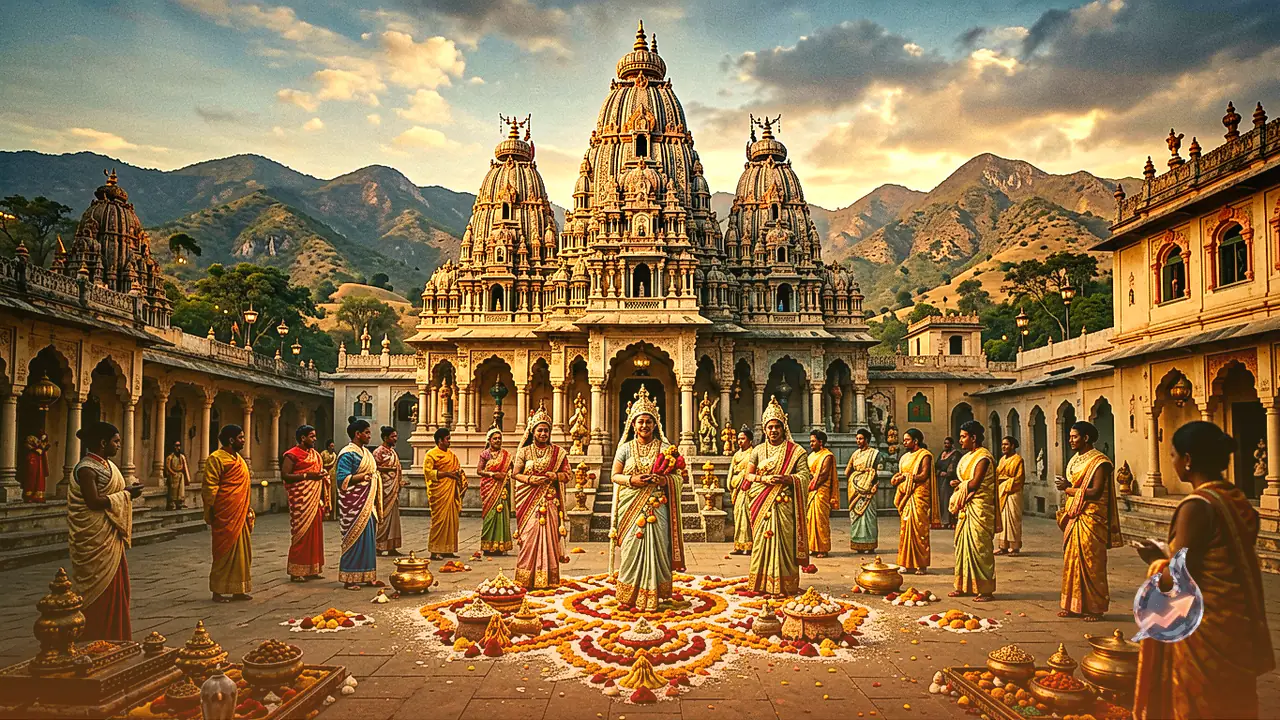





















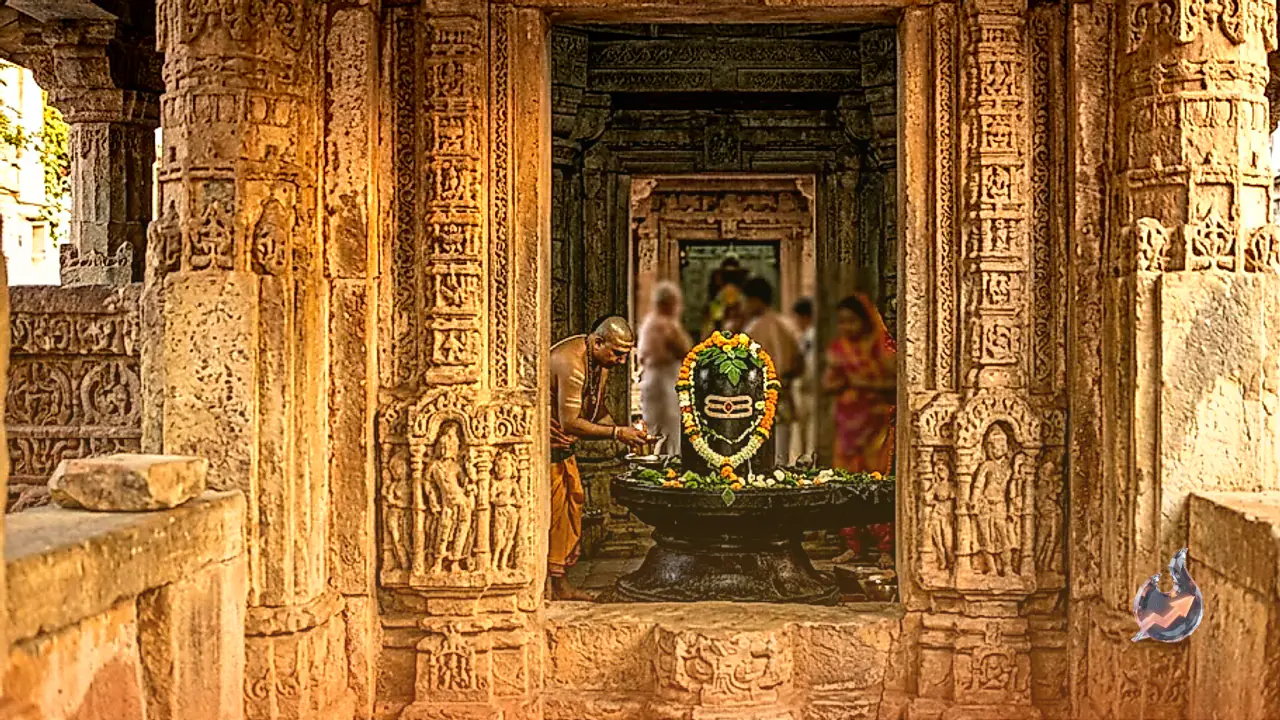

The month of Sawan represents a deep ocean of devotion to Lord Shiva, soaking the entire nation in spirituality. While many temples see massive crowds during this period, today we explore a unique center of faith in the Marwar region often referred to as the 'Somnath of Pali.' This temple is not merely a place of worship but stands as a living testament to an era when foreign invaders relentlessly targeted India's cultural heritage. Historical accounts reveal that in the 12th century, during a time when the original Somnath temple in Gujarat was under existential threat, the powerful Chaulukya King Kumarapala Solanki laid the foundation of this temple in Pali.
Evidence of Mahmud Ghaznavi's Invasion
The history of this temple is defined by intense struggle. According to historians, when the ruthless invader Mahmud Ghaznavi plundered and desecrated the famous Somnath temple in Gujarat, his army also brutally attacked this temple in Pali. His forces attempted to destroy the temple's structure and idols in an effort to erase its glory. However, due to the resistance of local warriors and the divine grace of Lord Shiva, the invaders could not fully annihilate the temple. Even today, scars of those ancient attacks remain visible on the pillars and within the sanctum sanctorum, serving as witnesses to its resilient history.
A Masterpiece of Nagara Architecture
The Somnath Mahadev Temple in Pali was constructed in Vikram Samvat 1209, making it approximately 900 years old. King Kumarapala Solanki, the patron of this construction, was an ardent devotee of Lord Shiva. The temple serves as a peerless example of the Nagara architectural style. The intricate carvings on its stones, the ancient pillars, and the overall design continue to draw researchers and travelers from far and wide. Despite facing centuries of upheaval, the temple remains standing with pride, retaining its original essence.
The Eternal Flame and Unwavering Faith
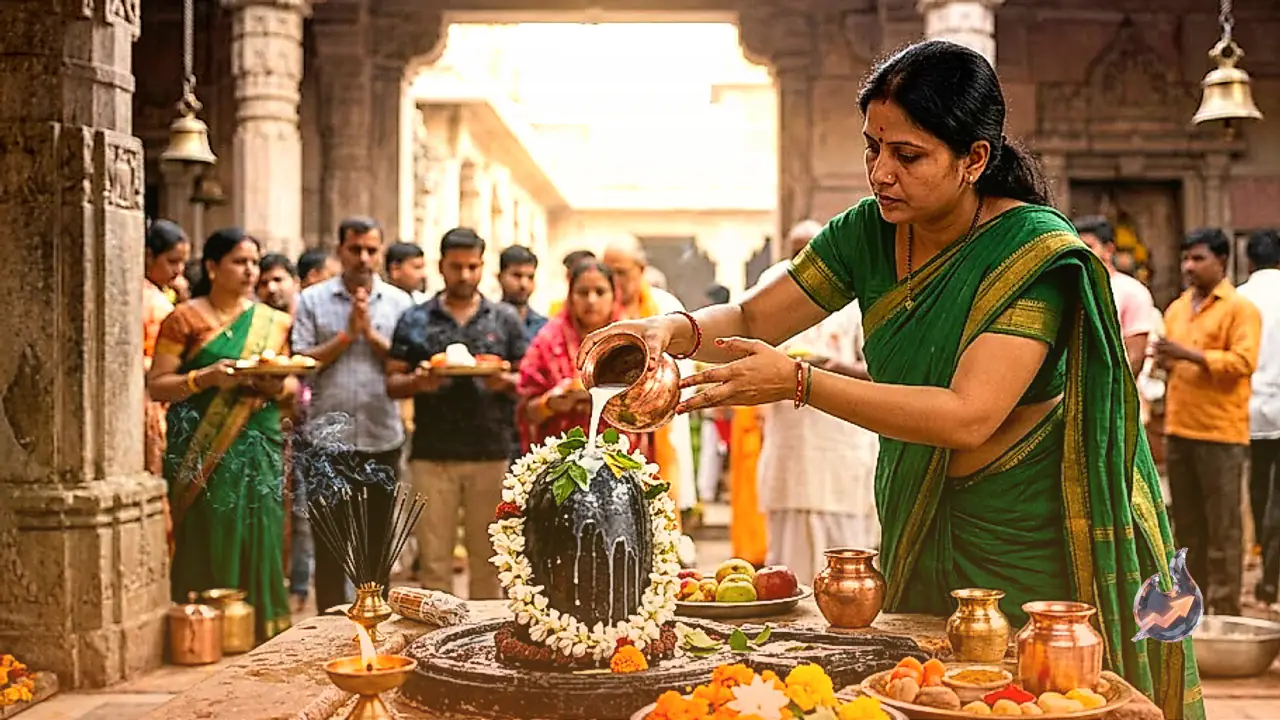
One of the most defining characteristics of the Somnath Mahadev Temple is the eternal lamp (Akhand Jyot) burning in the sanctum sanctorum. Tradition holds that this flame has been glowing continuously for centuries. It is believed that Lord Shiva resides within this flame, and witnessing it is said to alleviate the suffering of devotees. During the month of Sawan, the spiritual importance of visiting this eternal flame increases manifold.
Grand Adornments in Sawan
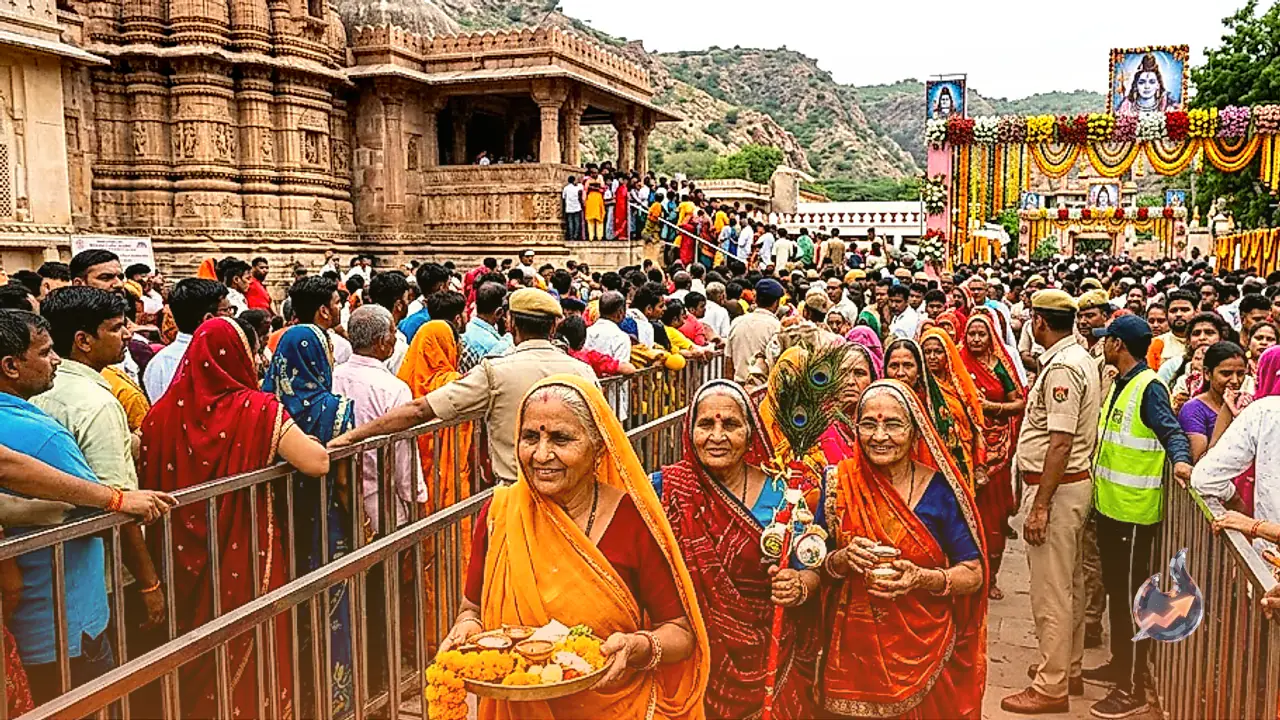
Special preparations are underway by the temple committee and devotees for the upcoming month of Sawan. Every Monday during the holy month, Lord Somnath is decorated in an extraordinary and grand fashion. Rare and fragrant flowers are sourced from across India, including cities like Bengaluru, Delhi, and Kolkata, as well as from foreign countries. When the court of Mahadev is decorated with these colorful and aromatic flowers, the atmosphere becomes truly divine. Millions of pilgrims gather here during Sawan to catch a glimpse of this magnificent spectacle.