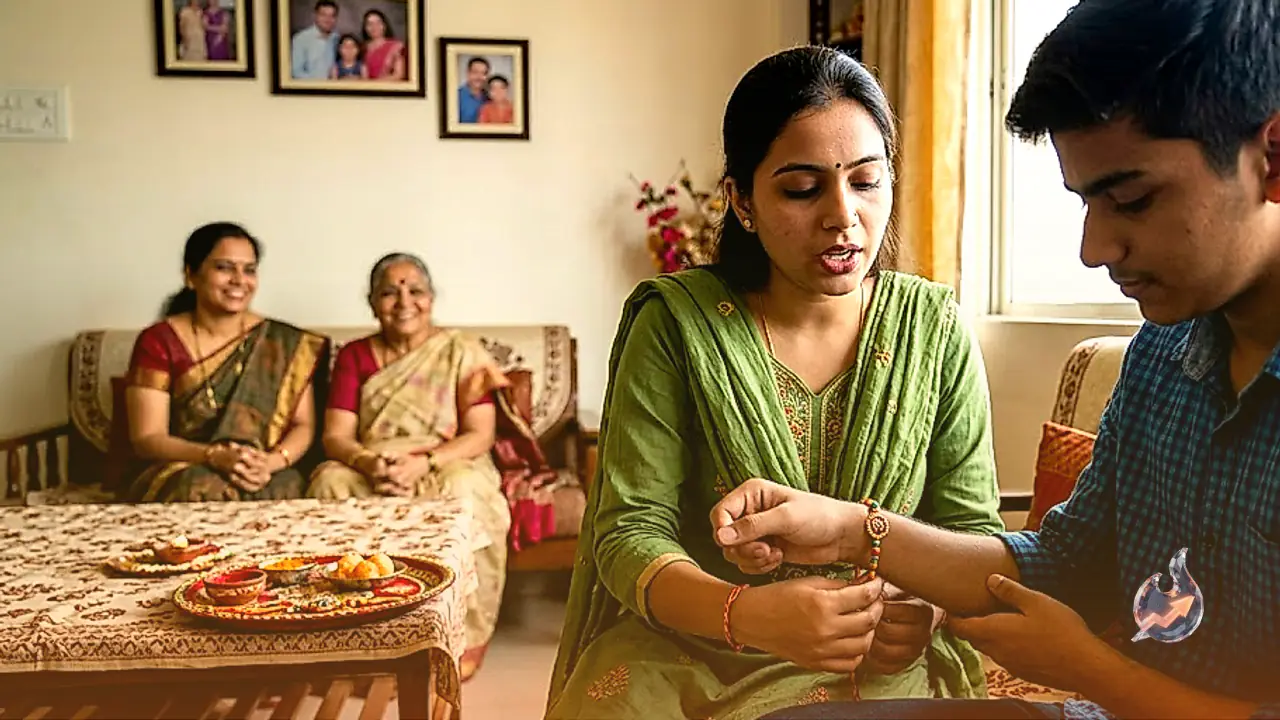




















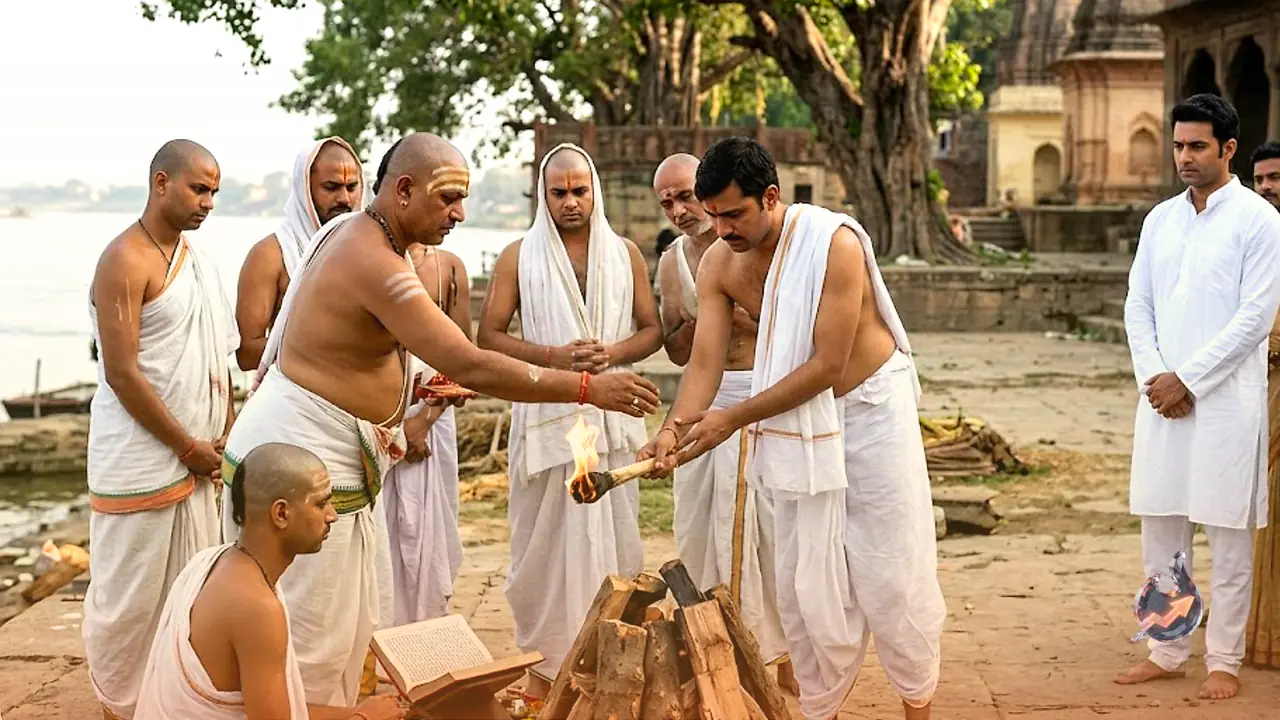

Within the intricate fabric of Sanatan Dharma, elaborate guidelines exist for the final rites and funeral procedures that follow death. Among these long-standing traditions is a specific mandate: a son-in-law should ideally refrain from participating in the funeral procession or acting as a pallbearer for his parents-in-law. This custom is referenced in sacred texts like the Garuda Purana. These guidelines are rooted in deep religious philosophies and social structures that define familial duties.
The Garuda Purana and Funerary Rites
The Garuda Purana serves as a primary source for understanding the soul's transition, the nature of Yama Lok, the consequences of earthly deeds, and the specific protocols required after a person passes away. The scripture mandates that the performance of last rites must strictly be carried out by members of the deceased individual's immediate bloodline or lineage. Consequently, the text suggests that a son-in-law is not the appropriate individual to shoulder the coffin or conduct the cremation rituals.
Insights from the Preta Khanda
The Preta Khanda section of the Garuda Purana emphasizes the high esteem in which a son-in-law is held within the family hierarchy. In religious tradition, the term 'Jamai' (son-in-law) is symbolically linked to Yama, which is why he is treated as an honored guest. The text advises that parents-in-law must treat their son-in-law with dignity and respect. It is believed that if a son-in-law is treated poorly by his in-laws, they may face significant difficulties during their post-death journey. Due to this elevated status, it is deemed inappropriate for him to engage in the somber tasks of a funeral.
Rights and Lineage
Regarding the authority to perform last rites, the Garuda Purana clarifies that this responsibility rests solely with members of the clan or lineage to which the deceased belonged. In traditional Hindu family law, a daughter and her husband are considered part of a different familial unit following their marriage. This separation is the primary reason why, in a traditional context, a son-in-law is not granted the right to perform the final cremation or handle the funeral rituals.
Protocol in the Absence of a Son
The scriptures offer a clear solution for instances where an individual may lack a son or grandson. In such cases, the duty of performing the last rites and the responsibility of the funeral pyre may be passed to the daughter's son, or the grandson (nati). The grandson is considered eligible to perform the Shradh and other ancestral rituals for his maternal grandmother, ensuring that the lineage's obligations are met.
Modern Social Evolution
Contemporary life has seen substantial shifts in societal structures and family dynamics. In many families today, there are no sons, or circumstances arise where no direct male descendant is available to carry out the rites. Consequently, daughters, sons-in-law, or other close kin frequently step in to take responsibility for the final ceremonies out of duty and affection. Modern families are increasingly navigating these traditions based on their specific circumstances and the realities of their lives.