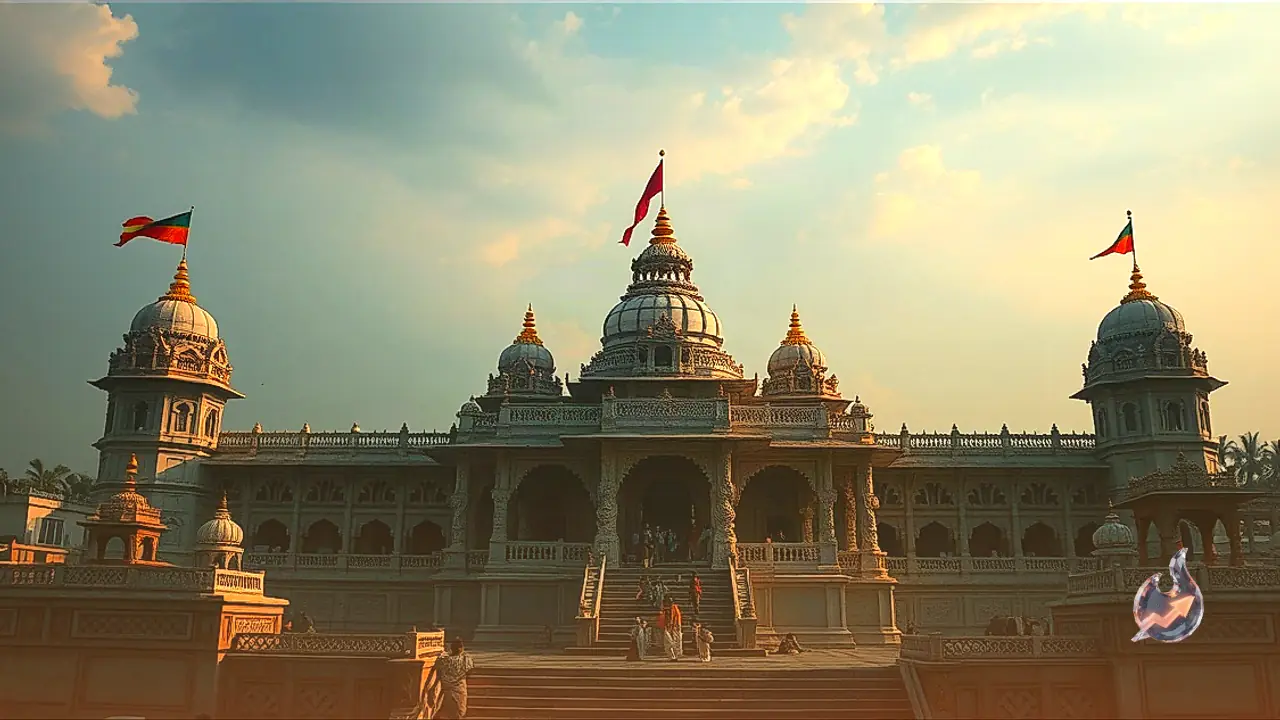






















Situated in the Banshidhar Nagar region of Garhwa district in Jharkhand, the Shri Banshidhar Temple is far more than a mere place of worship; it is a profound beacon of faith for millions of devotees. This sacred site is nationally recognized for its architectural significance and the incredibly rare idol of Lord Krishna, which is crafted from 32 maunds of pure gold. It is widely considered that such a massive and ancient solid gold deity is an extreme rarity globally, giving this temple a unique status.
The Historical and Mythological Origin
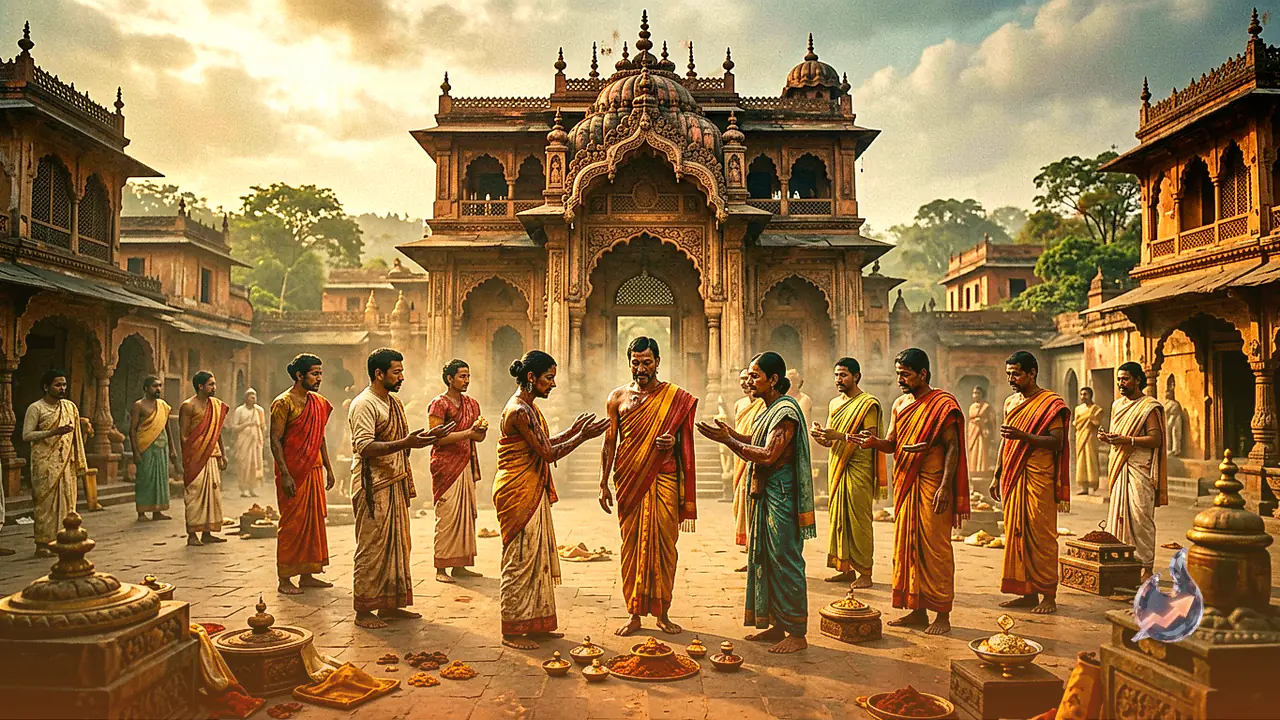
The establishment of this temple dates back approximately 300 years to the efforts of Raja Bhawani Singh of the erstwhile Nagar Untari state. According to long-standing local traditions, during the auspicious festival of Janmashtami in Vikram Samvat 1827, Queen Shivmani Kunwar received a vision in a dream. In this dream, Lord Krishna appeared and commanded the queen to excavate his idol from the 'Shivpahadi' near Mahuriya, close to the Kanhar River, and install it with proper rites. Following this divine instruction, excavations led to the discovery of the celestial idol, upon which a grand temple was constructed, marking the start of its journey as a major center of belief.
The Mesmerizing Flute-Playing Form
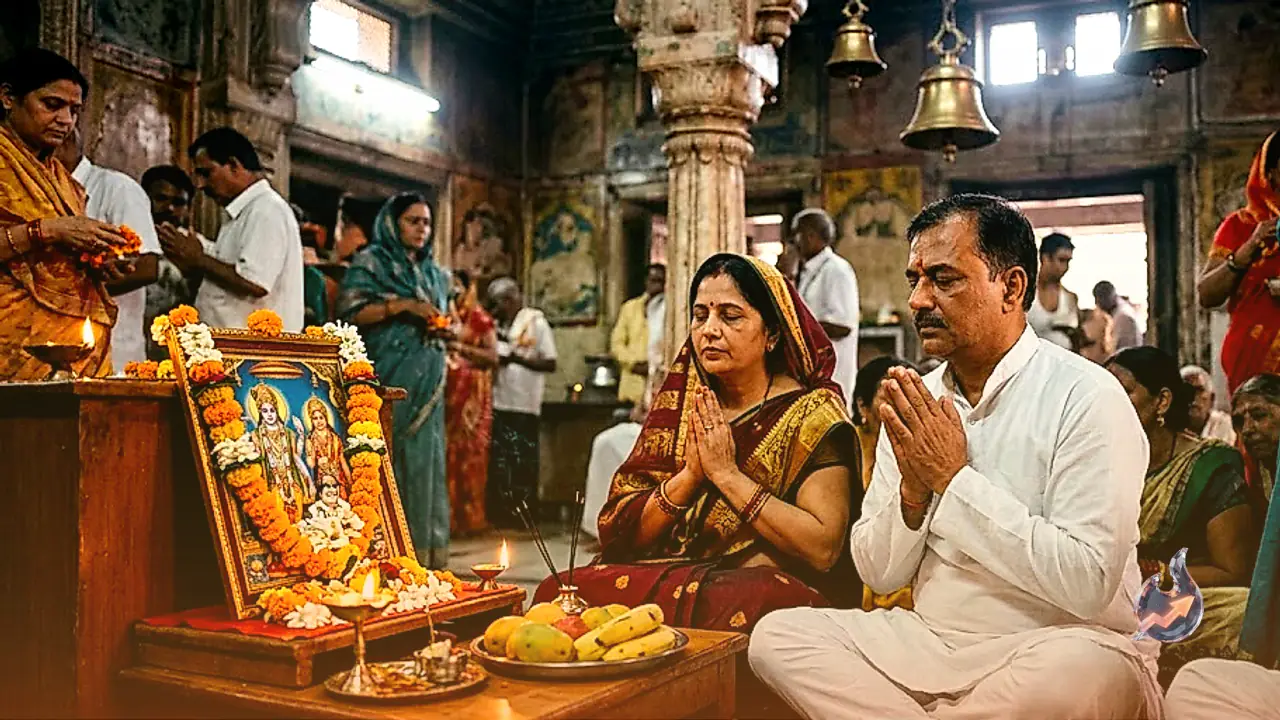
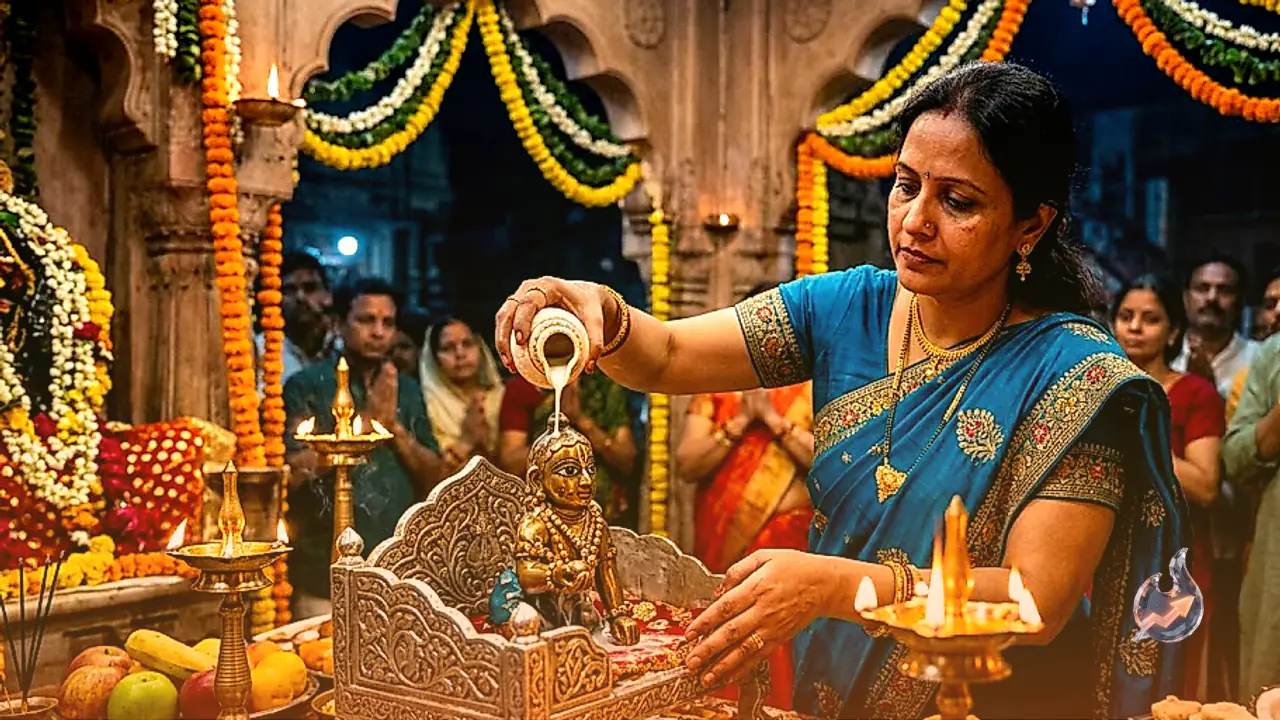
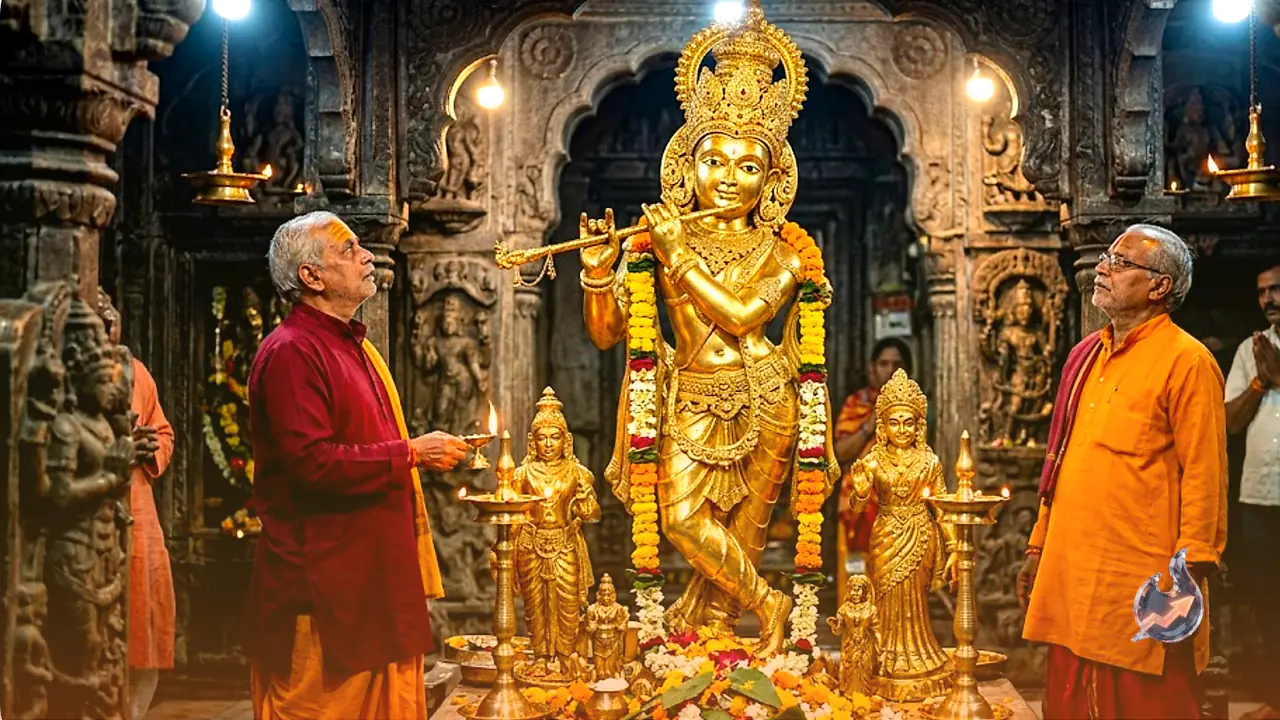
Within the inner sanctum of the temple sits the idol of Lord Krishna, depicted in a breathtakingly beautiful pose while holding a flute. The idol of Radha Rani is also positioned beside him. Devotees firmly believe that prayers offered here with a pure heart and unwavering faith never go unanswered. Pilgrims arriving from distant regions bow before the feet of Lord Banshidhar, seeking blessings for family prosperity, offspring, health, and the fulfillment of their deepest desires.
The Legend of the Installation
The priest, who has been dedicated to the service and worship of Lord Banshidhar for the past 19 years, narrated a fascinating tale regarding the temple's location. When the retrieved idol was being transported to the city on the back of an elephant, the animal came to a halt at the present temple site and refused to move further. Scholars and sages of the time interpreted this as the desire of the Lord to reside specifically at that location. Consequently, the temple was built on that exact spot, and the deity was consecrated with traditional Vedic ceremonies.
The Grandeur of Janmashtami
The atmosphere at the temple during Janmashtami is exceptionally grand and spiritual, drawing thousands of devotees to the premises. The temple is decorated with vibrant flowers and colorful lights. The environment turns devotional through hymns, Raasleela performances, and special rituals. During this period, long queues of devotees form to witness the divine sight of the deity. The tradition of performing 'Trikal Puja' (worship three times a day) has been upheld with full Vedic compliance since the temple's inception.
Timings and Security Infrastructure
The temple doors open to the public daily at 5:00 AM. Between 5:00 AM and 7:00 AM, special worship, 'Aarti', and 'Shringar' (adornment) rituals are conducted. Following this, the temple remains open for viewing from 7:00 AM until 12:00 PM. It then closes for a midday rest period between 12:00 PM and 2:00 PM. Visitors are again welcomed from 2:00 PM until 8:00 PM. Despite being secured with modern technology, including CCTV surveillance and dedicated security personnel to protect the golden idol, the temple maintains an atmosphere of serenity and deep devotion.