
The moment a new phone arrives, the old one usually ends up forgotten in a drawer or handed over for recycling. But that 'useless' device may soon get a second life. Google is exploring a way to turn old smartphones into small data centres or computing systems. The company believes this could shrink the growing pile of electronic waste while making technology far more sustainable for the environment.
What the project is about
This research isn't Google's alone. It has been carried out together with the University of California San Diego in America. The experiment the two have built has been named 'Phone Cluster Computing', and its goal is simple — stop discarded phones from becoming junk and put them to work in computing instead.
How the system is built
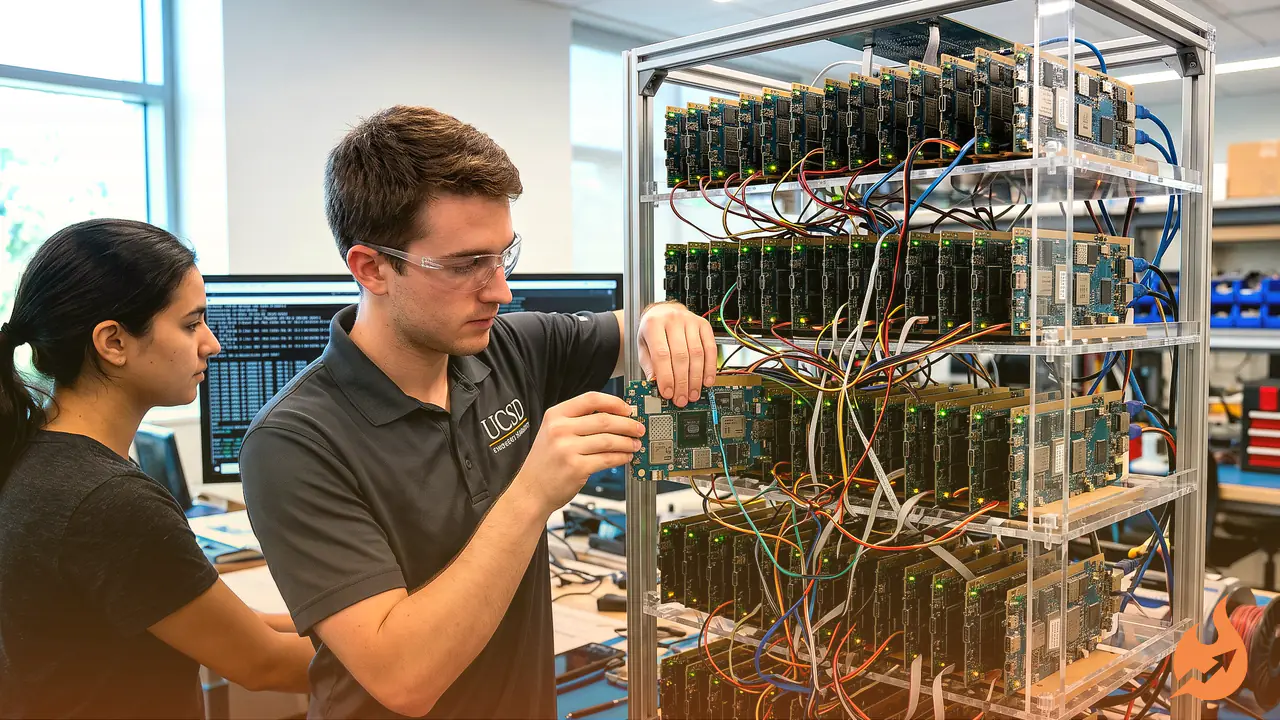
The method is clever. Every part of the old smartphone that is no longer needed — the screen, camera, battery and outer body — is stripped away. What remains is just the motherboard, which still holds the genuinely useful components: the processor, storage and memory.
These motherboards are then wired together and the whole setup is run on a Linux-based system. To manage this structure, tools such as Kubernetes are used — the same kind of tools that help run large cloud systems.
How much power these old phones pack
The numbers show this is no makeshift hack. According to Google's research, 25 to 50 old smartphones working together can, for certain tasks, deliver as much computing power as one advanced server. And if thousands of old phones are linked at once, they can handle major needs such as cloud services, research projects and education platforms.
According to TrendKia, the plan ahead is even bigger — in the future, around 2,000 old Pixel smartphones are to be joined together to build one large computing cluster.
A direct win for students and research
One of the biggest benefits will show up in education. The University of California San Diego wants to use this technology in courses like Systems Programming and Parallel Computing. That means students will get the chance to work and learn on large computing systems at a very low cost.
Why it matters for the environment
Every year, crores of smartphones stop being usable and turn straight into electronic waste. If Google's experiment succeeds, those very phones could be given a new lease of life. It would reduce the need to build new servers and ease the environmental burden of technology. In plain terms, the old phone lying in your drawer may one day be not a dead device, but part of a small data centre.