


















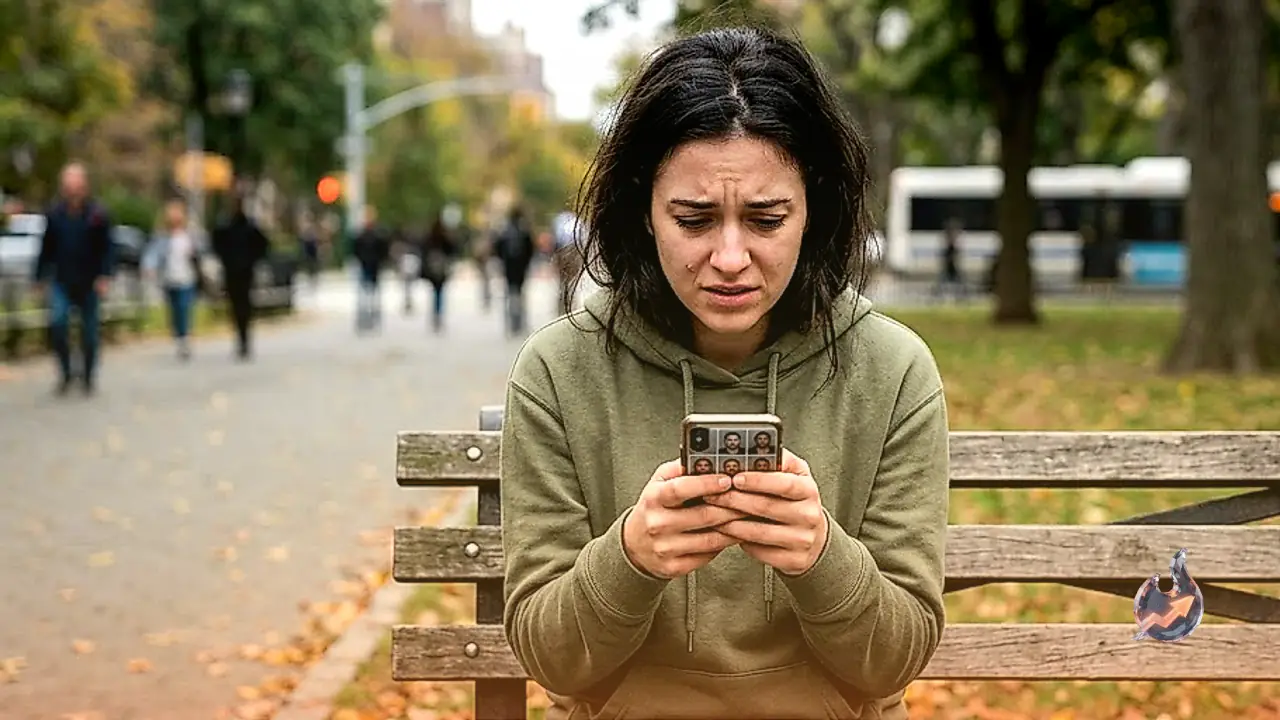

When an individual is arrested by law enforcement, police departments capture a standard booking photograph known as a mugshot. Historically, these images served limited administrative and investigatory purposes, allowing authorities to maintain internal records or alert local communities about fleeing suspects. However, the rise of online public record databases and social media platforms has transformed these routine law enforcement documents into a profitable form of digital entertainment. Numerous social media accounts now curate and publish mugshots of young women without their consent, framing them through the lens of internet pop culture and physical attraction. This practice subjects non-consenting individuals to intense public scrutiny, derogatory commentary, and long-term personal harassment.
Because arrest records are often treated as open public files under state disclosure laws, digital creators face few barriers when harvesting this content. Once an arrest photo or police bodycam video goes viral, the individual depicted loses control over their digital footprint. Long before any criminal case reaches a judicial conclusion or is dismissed, the court of public opinion passes judgment. Affected individuals frequently report severe consequences affecting their mental health, employment prospects, and family lives. Furthermore, third parties have monetized these images through advertising revenue, merchandise sales, and published books, raising urgent ethical questions about privacy and digital consent in the modern era.
The Devastating Human Impact of Public Arrest Records
The real-world consequences of viral booking photos are illustrated by the experience of a woman named Davis. On August 21, 2025, when she was 23 years old, Davis consumed alcohol at a local establishment and became involved in a verbal dispute after accidentally bumping into other patrons. Venue security escorted Davis off the premises and contacted law enforcement, resulting in a charge of public intoxication. She spent a single night in a county holding cell and received a $450 court fine. After setting up a formal payment arrangement the following morning, Davis attempted to put the minor infraction behind her. However, on the very day of her arrest, her booking photo began circulating widely online. It was initially uploaded by a Facebook page titled SayCheese Brazos County Mugshots & Arrests, one of roughly twelve Texas-focused arrest channels operating under that digital brand.
Shortly after its initial posting, the image became the basis of an online hoax claiming Davis was an Olive Garden employee arrested for throwing breadsticks at customers over small tips. On October 12, 2025, her mugshot was republished by Mugshawtys, a popular Instagram account dedicated to sharing mugshots of young women. The post attracted thousands of comments judging her personal character and appearance. When the account included her photo in a compilation post the following June, an observer commented critically on her upbringing. Davis responded directly, explaining that her mother had passed away just weeks prior to her arrest. Reflecting on the ordeal, Davis stated, "All that this has been for me is just being dragged through the mud." She emphasized that she has taken full responsibility for her actions while questioning the lack of clear boundaries regarding social media and personal privacy.
The public exposure deepened in March 2026 when bodycam footage from Davis' arrest was published on a YouTube channel named Sgt. Pepperspray. The video depicted her wearing a black crop top while visibly distressed and intoxicated. Commenters generated timestamp links highlighting specific moments where her physical features were close up on screen. Davis filed a formal defamation claim with YouTube seeking the video's removal, but the platform denied the request and informed her she would need to submit a privacy complaint instead.
Commercialization, Online Harassment, and Platform Interventions
The founder and operator of Mugshawtys, known as Jeffery, maintains that he maintains friendly relations with several featured women and denies engaging in exploitation. Jeffery claims that numerous featured individuals subsequently pursue content creation roles on platforms like OnlyFans, adding that he encourages followers to contribute toward their legal fees or bail amounts. Despite these claims, the comment sections beneath the account's posts are frequently filled with explicit, misogynistic, and objectifying remarks. Followers routinely evaluate and rank the women depicted in multi-photo carousels based on physical attractiveness. In one instance, the account posted an image of a woman wearing an anti-suicide smock who was arrested on alleged child endangerment charges. The photo showed a corrections officer holding her head toward the camera while she grimaced. Although the criminal case was ultimately disposed of, commenters posted hostile remarks, assuming the arrest photo was proof of guilt.
As the brand expanded its audience, Jeffery began selling physical merchandise online, including hats and T-shirts featuring the phrase "i [heart] hot felons" for approximately $10 each. In 2024, a small Amsterdam-based publishing company named 550BC produced a Mugshawtys coffee table book, which was subsequently sold online. Jeffery asserts that the criminal justice system is responsible for any inherent exploitation, claiming he willingly removes photos if an individual reaches out to request it, particularly if the image was submitted by a third party.
Following recent media inquiries regarding these accounts and their compliance with digital safety policies, both Meta and TikTok took action by disabling Mugshawtys accounts across their respective platforms. A representative for Meta confirmed that the account violated community standards policies. TikTok representatives declined to provide specific commentary on the removal, while representatives for X did not respond to requests for comment regarding the account's standing.
Evolution of Mugshot Laws and Digital Public Record Exposure
Sarah Lageson, an associate professor of law and criminology at Northeastern University, explains that booking photos were originally created as localized tools for law enforcement. In previous decades, journalists reviewed physical record binders at police stations, a process that required press credentials and established professional relationships. The mass digitization of government records in the mid-2000s rendered these files easily accessible to the general public, giving rise to commercial websites that published booking photos and demanded payment fees from individuals seeking their removal. Today, legal standards governing mugshots vary considerably across different jurisdictions. For example, Oregon statutory law prohibits police departments from releasing booking photos prior to a formal conviction. In contrast, Florida maintains broad open records policies that allow unrestricted social media sharing, though state law requires commercial removal sites to delete photos upon request without charging a fee.
Navigating the legal procedures required to erase a public digital record remains a significant hurdle for affected individuals. Professor Lageson notes that many people experience severe emotional fatigue from the initial exposure, making them hesitant to pursue formal litigation that could draw renewed public attention to their criminal record. Furthermore, the growth of digital video content has prompted social media creators to file Freedom of Information Act (FOIA) requests for police bodycam footage, which is then uploaded to video sharing platforms. Lageson characterizes these channels as vivid instruments of public shaming that amplify punishment beyond the court system.
Racial Perceptions, Clickbait Exploitation, and Digital Permanence
In a research paper published in 2015 in the journal Contemporary Justice Review, academic researcher Dirks examined how societal perceptions of race and gender influence public responses to criminal charges. The study noted that white women are often depicted in media narratives as victims of circumstance deserving of empathy and rehabilitation. However, Dirks notes that on platforms like Mugshawtys, the emphasis on conventional beauty standards increases public visibility, ultimately subjecting featured women to heightened social punishment outside of formal legal proceedings.
This dynamic affected Taylor Johnson, who was arrested for a driving under the influence (DUI) offense in 2022 and served 20 days in a county jail to fulfill her sentence without probation. Two years later, while at her workplace, Johnson received numerous messages from friends informing her that Mugshawtys had published her booking photo. Having experienced the loss of her father a few months prior, Johnson described feeling humiliated by the sudden resurfacing of an event she believed was in her past. After contacting Jeffery, she learned that the sheer volume of daily submissions made it impossible to identify who uploaded her photo. Upon realizing that arrest photos constitute public records, she chose not to pursue further removal efforts.
Subsequent to its appearance on the account, Johnson's booking photo was repurposed by unrelated online creators as clickbait. Her image appeared on TikTok videos carrying unrelated text overlays about remaining attractive after serving prison sentences. Her story was also featured in online media headlines focusing on her appearance and viral notoriety. Over time, coworkers began recognizing her from the viral post. Johnson stated, "I ended up learning to just laugh about it, because if I don't I am going to cry." Conversely, some individuals choose to capitalize on the exposure. Holly Singleton, a 22-year-old resident of Indiana whose mugshot was posted on March 11, shared that the experience boosted her self-esteem and did not bother her, observing that content on social media platforms remains permanently accessible.