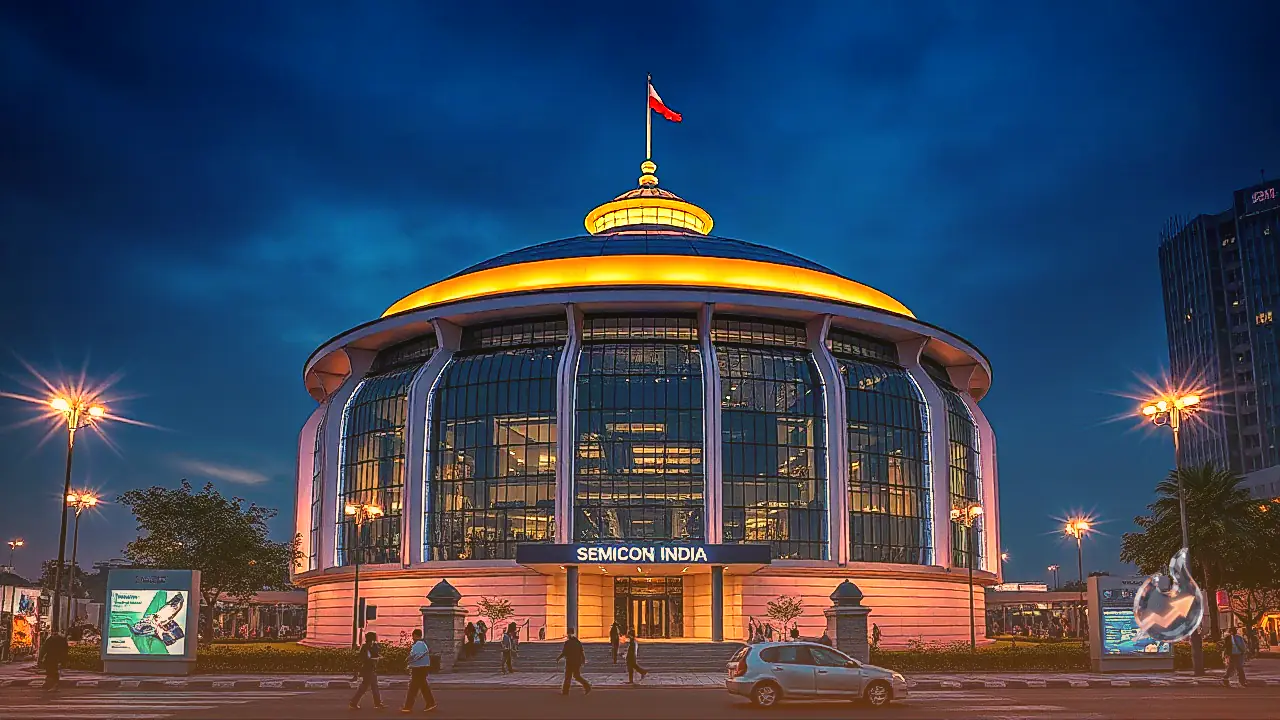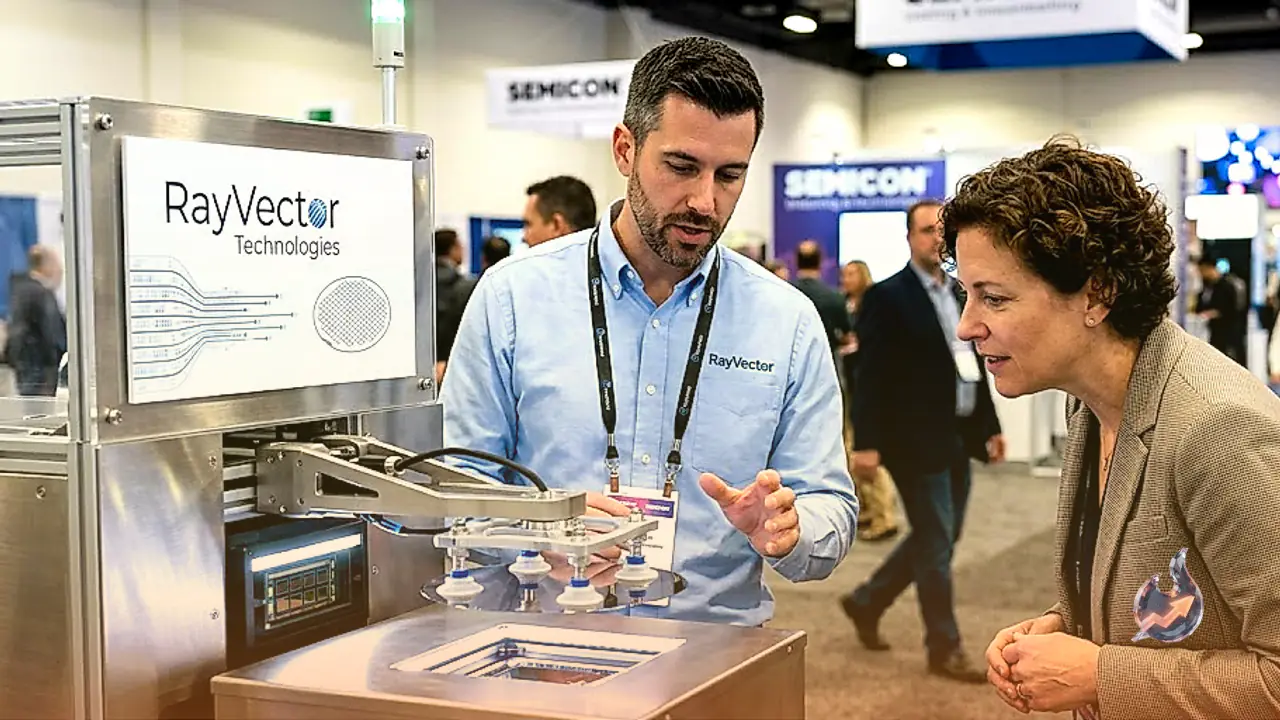























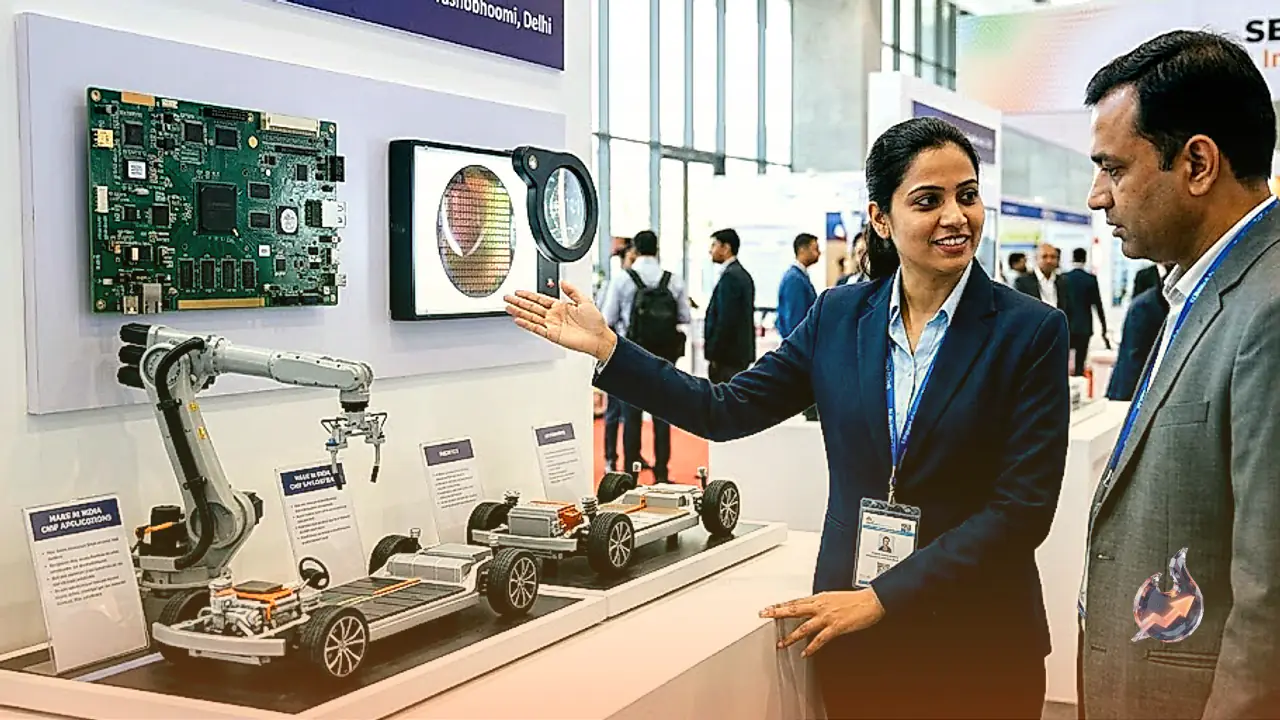

India has crossed a decisive milestone in its semiconductor ambitions, moving firmly past preliminary policy blueprints into active, commercial fabrication. At the Semicon India 2026 summit hosted at Yashobhoomi in Delhi, cutting-edge semiconductor hardware and engineering designs were on display, offering a clear view of how domestic chip manufacturing is poised to transform automobiles, factory floors, consumer robotics, and artificial intelligence ecosystems across the globe.
From Policy Frameworks to Commercial Silicon Output
Inaugurating the Semicon India 2026 proceedings, Prime Minister Narendra Modi emphasized that the nation's semiconductor roadmap has evolved significantly from its conceptual beginnings. While the conversation in 2022 centered largely on regulatory structures and initial incentive models, homegrown silicon is now reaching commercial assembly lines and end-user distribution pipelines. Highlighting this industrial expansion, commercial production has officially commenced across two additional plants located in Mohali and Surat. To sustain this momentum, the government has earmarked an estimated 13.5 billion dollars for the second phase of the comprehensive Semiconductor Mission, focusing on scaling domestic fabrication infrastructure and integrating India into the global technology supply network.
Next-Generation Digital Cockpits and In-Car Entertainment
Among the practical innovations demonstrated at the summit were specialized automotive chip architectures engineered to overhaul the internal vehicular experience. Automotive designers are implementing unified single-screen configurations within digital cockpits that allow both the driver and the front passenger to interact with distinct interfaces concurrently. The underlying engineering relies on a solitary high-performance chip capable of driving multiple independent display surfaces simultaneously without latency. Consequently, automobiles are transitioning beyond mere transport utilities into fully immersive mobile entertainment environments and personal theaters, proving that advanced silicon hardware now forms the core operational backbone of modern mobility.
Interactive Robotics and Intelligent Computing Platforms
Silicon innovation also featured prominently in hardware tailored for advanced robotics. Engineers showcased chipsets integrated with diverse sensing and computing modules designed to elevate automated machines beyond routine command-following apparatuses. This architecture enables robots to comprehend spoken human language, evaluate operational dilemmas, and communicate meaningful contextual responses. Future iterations of these machines are anticipated to serve as personal companions, assistive aides, and communicative partners. This operational shift relies fundamentally not on physical robotic chassis designs, but on the precise synthesis of embedded sensors, high-throughput processors, AI execution cores, and underlying semiconductor circuitry working in concert.