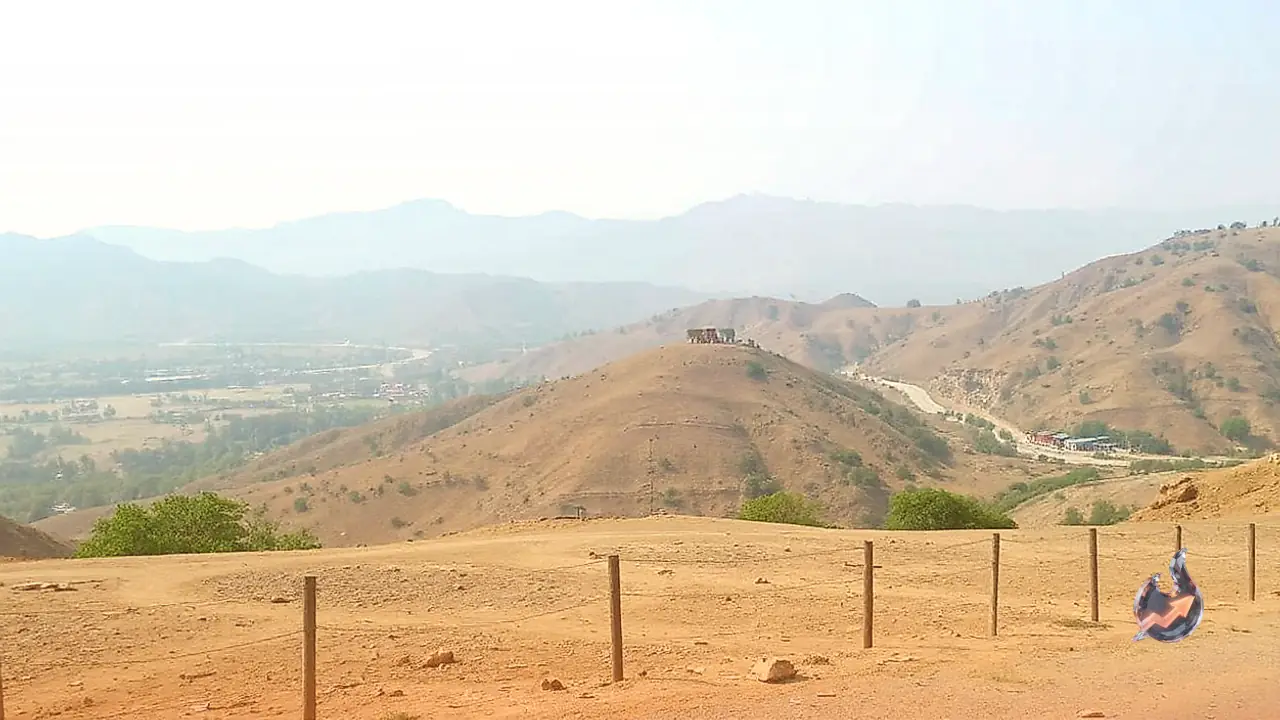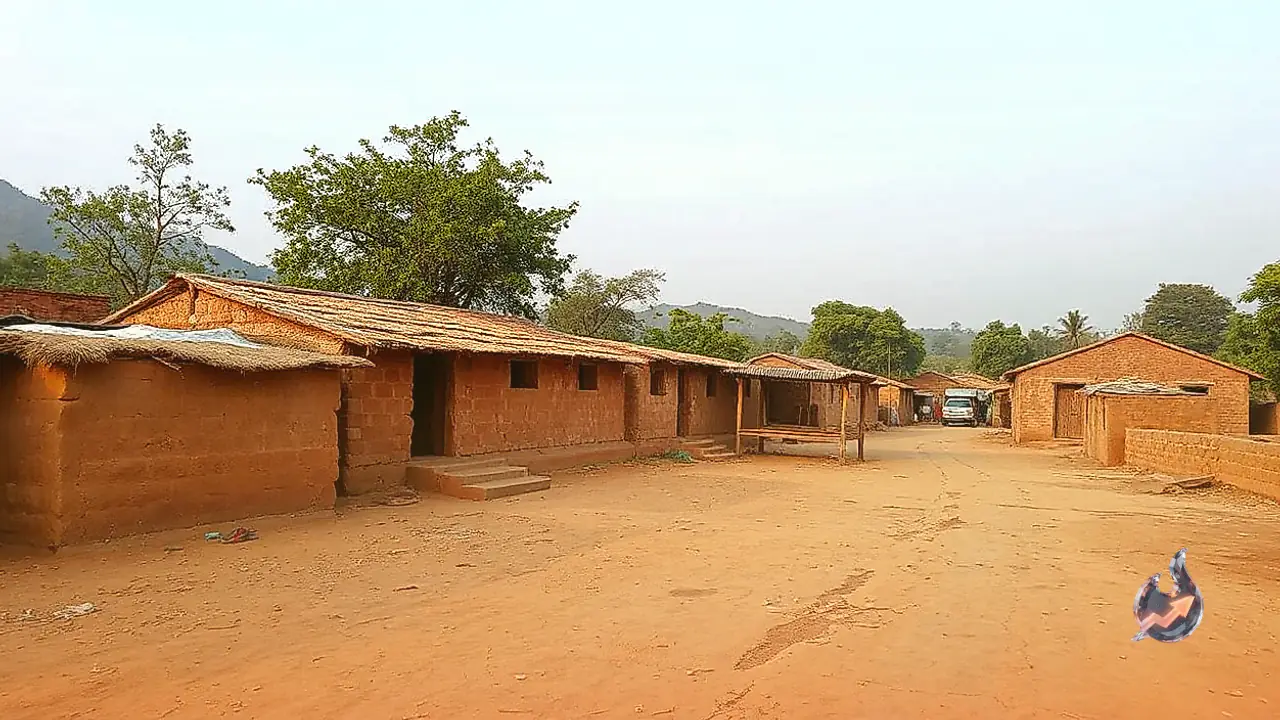























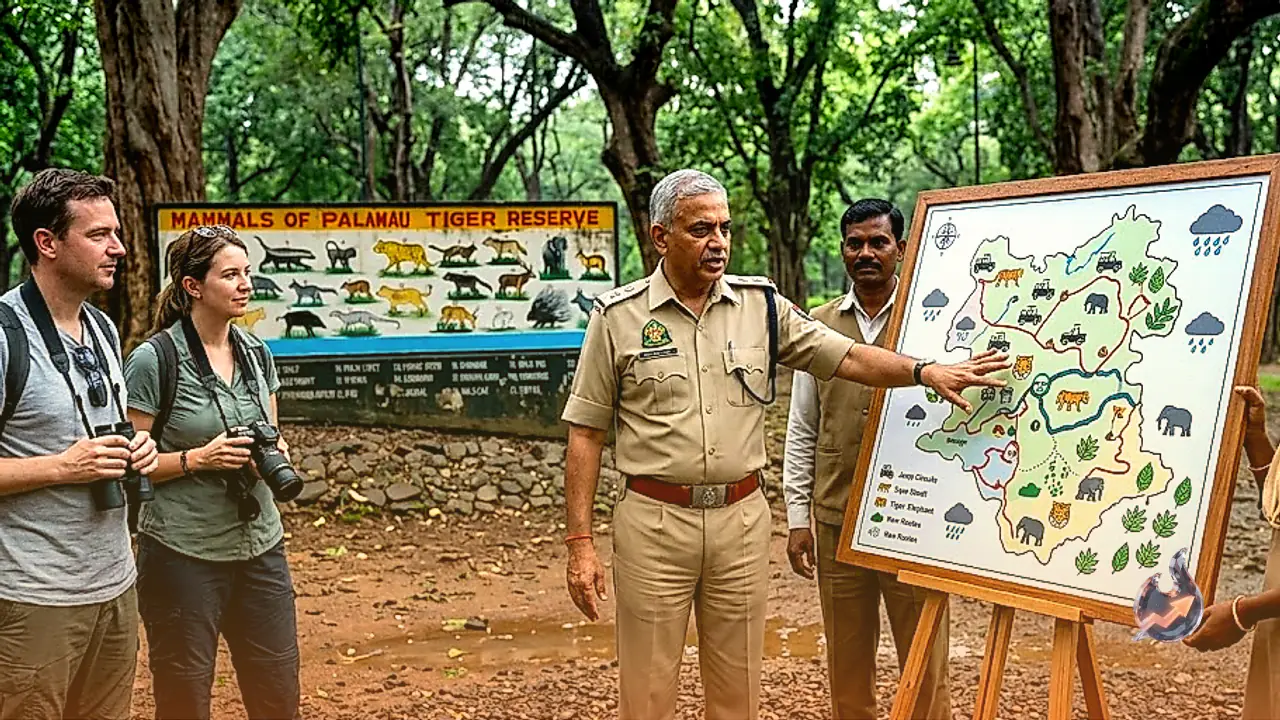

Palamu Tiger Reserve, the only tiger sanctuary in Jharkhand, is widely recognized for its rich historical legacy and natural diversity. To enhance the connection between visitors and the region's wildlife, forest department officials are implementing a series of strategic improvements. The latest development includes the preparation of new locations designed specifically to offer a more thrilling jungle safari experience.
The Legacy of Betla National Park
Betla National Park is ranked among the oldest and most historically significant national parks in India. Jungle safari activities in this region date back to the 1980s. At that time, the primary objective of introducing these safaris was to bridge the gap between people and nature, raise awareness about forest conservation, and stimulate tourism at the local level. The model established at Betla later became a blueprint for numerous other national parks and tiger reserves across the nation.
Adapting to Modern Tourism Needs
As wildlife tourism continues to evolve, visitor expectations have shifted. Recognizing these changing dynamics, the management at Betla National Park is now drafting a new safari model. This update aims to provide tourists with opportunities to engage with nature and wildlife even during the monsoon season. By developing new locations and optimizing existing routes, the department hopes to make the park an all-weather destination for nature enthusiasts.
Strategic Planning by Palamu Tiger Reserve
According to Palamu Tiger Reserve Deputy Director Prajesh Kant Jaina, standard regulations across all Indian tiger reserves mandate a pause in safari operations during the monsoon to protect the breeding cycle of wild animals. While safari access to the core area of Betla remains restricted during this period, the peripheral and buffer zones remain open. The forest department is currently working on an ambitious plan to make these accessible areas more engaging for tourists, ensuring that the natural beauty and wildlife activity remain on display regardless of the seasonal constraints.
The Kila-Kamaldah Circuit
Jaina highlighted that the Kila-Kamaldah circuit is a focal point of this new tourism plan. This area is considered critically important due to its unique combination of the historical Palamu Fort, the scenic Kamaldah Lake, various natural water sources, and dense forest cover. Because these zones are frequented by wild animals, the safari experience here promises a heightened level of excitement. The department is dedicated to providing visitors with a secure yet adventurous way to explore these jungles even while it rains.
Empowering Local Communities
A significant aspect of this project is the integration of the local community. Young individuals from villages surrounding the Kila-Kamaldah region are being professionally trained as drivers and nature guides. This initiative provides local employment opportunities while ensuring that visitors receive authentic insights into the region's biodiversity, history, and culture. It is hoped that this involvement will foster a stronger sense of cooperation between forest conservation efforts and the tourism industry.
New Grasslands and Future Outlook
The new safari model encompasses a sprawling 400-hectare area of newly developed grasslands, alongside the historical Palamu Fort and Kamaldah Lake. These grasslands have been cultivated to create an improved habitat for wildlife, which increases the likelihood of wildlife sightings for visitors. This approach is expected to keep tourism activities vibrant even during the rainy season and solidify Betla's position as a premier eco-tourism destination in India.