


















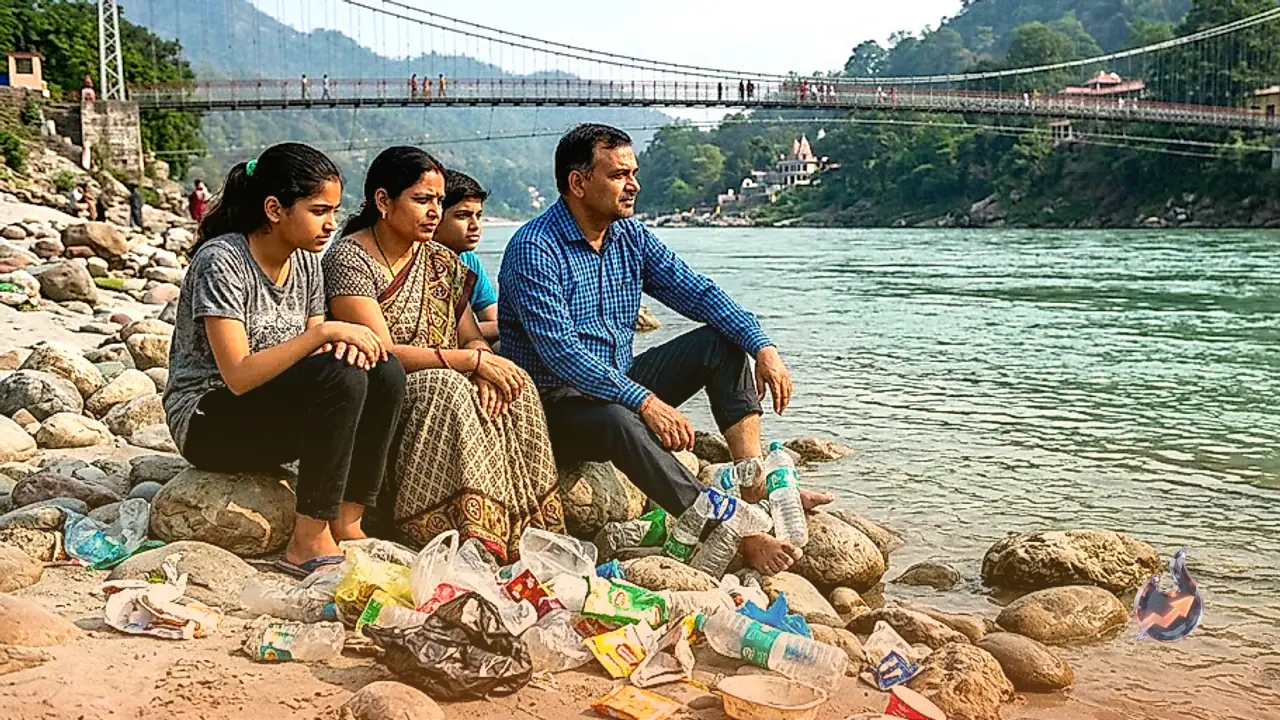

Rishikesh, a city in Uttarakhand globally renowned as the city of yoga, is famous for its natural splendor, the serene banks of the Ganga, spiritual atmosphere, and diverse adventure activities. Every year, millions of tourists visit the city to find peace, engage in the thrill of river rafting, and spend quality time by the riverside. While these visitors leave with beautiful photographs and cherished memories, the state of the ghats and riverbanks after the tourist season is a major cause for concern. The aftermath of this massive footfall often paints a grim picture, with sites littered with plastic bottles, snack packets, disposable cups, food wrappers, and various other forms of waste.
The Growing Impact of Tourism
This accumulation of waste not only diminishes the visual allure of the town but also poses a severe threat to the environment and the purity of the river. Rishikesh is much more than just a destination for leisure. It is a unique confluence of faith, nature, and culture. The morning and evening prayers at the Ganga ghats, the river flowing between the mountains, and the lush greenery consistently attract crowds from across the globe. For the local residents, tourism is the primary source of income. Businesses such as hotels, cafes, restaurants, taxi services, rafting operations, and camping sites are heavily dependent on these travelers.
Neglecting Personal Responsibility
However, the darker side of tourism emerges when individuals neglect their civic duties. During conversations, local resident Akhilesh Pandey noted that during their stay, tourists often leave behind plastic water bottles, empty cans, snack packets, and disposable plates exactly where they sat. Many people consume food by the riverside and leave the refuse behind instead of disposing of it properly. Over time, this garbage piles up on the riverbanks. During the rainy season, a portion of this waste is washed directly into the Ganga, significantly increasing the risk of water pollution.
Environmental Consequences
After the peak season, cleaning staff and local residents have to put in immense extra effort to clear this refuse. While various social organizations and volunteer groups conduct periodic cleanup campaigns, the situation would not escalate if visitors simply fulfilled their basic responsibilities. Keeping tourist spots clean is not solely the duty of the administration; equal participation from tourists is essential. Plastic waste is not just an aesthetic issue; it is harmful to the environment over the long term. Many plastic products do not decompose for years, which negatively affects the soil, water, and surrounding wildlife. If plastic and other waste continue to contaminate the holy Ganga, the impact could be devastating for the entire ecosystem of the river.