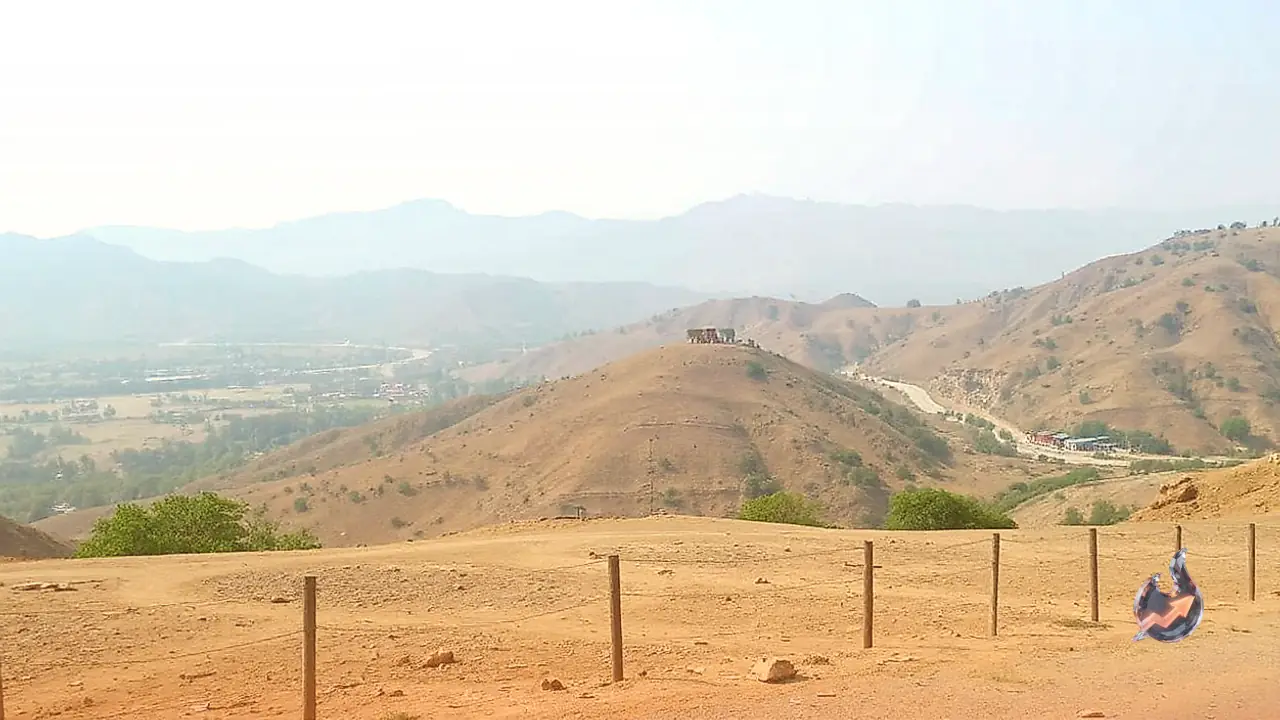




















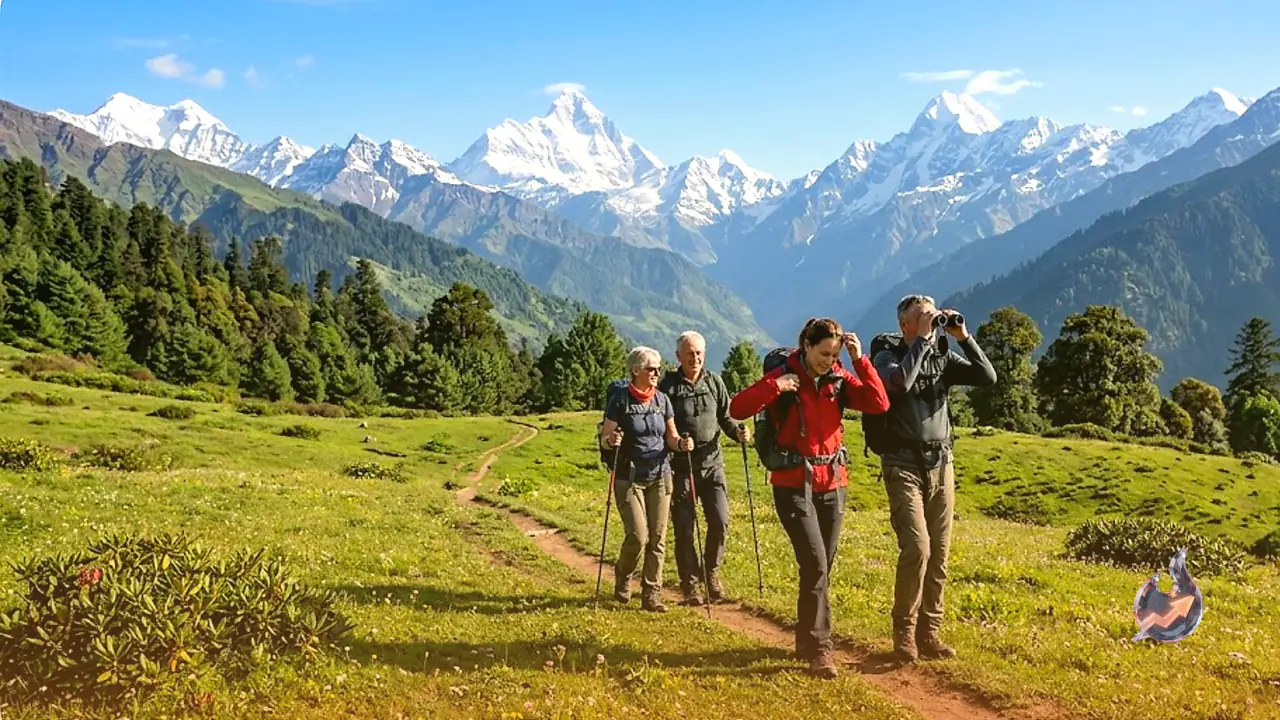

Nestled in the pristine Kumaon region of the Himalayas, the Runthal Kharak trek has emerged as a premier destination for wilderness enthusiasts and adventure seekers alike. Located near the geographical boundaries of Bageshwar and Pithoragarh districts in Uttarakhand, this trail is celebrated for its spectacular untouched landscapes, old-growth forests, rolling green alpine meadows, and commanding vistas of snowy Himalayan massifs. Every year, adventurers make their way to this remote sanctuary to experience the raw grandeur of the mountains.
Starting the Journey from Gogina Base Camp
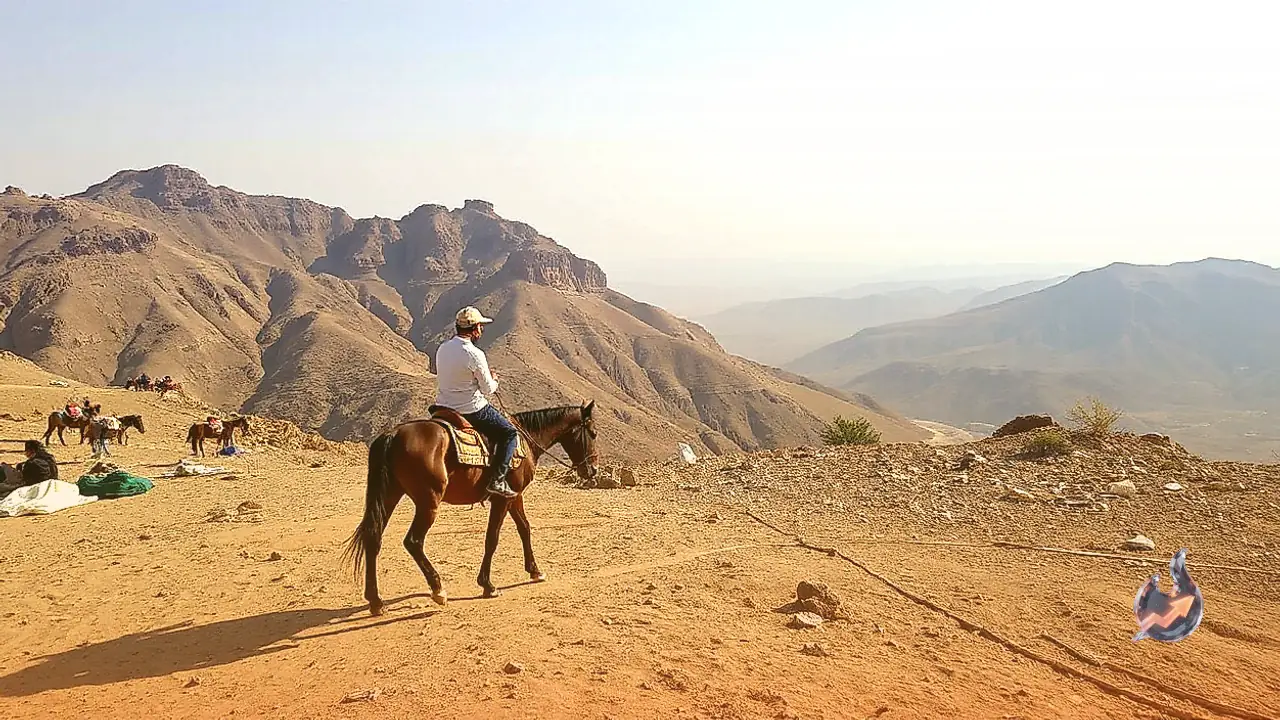
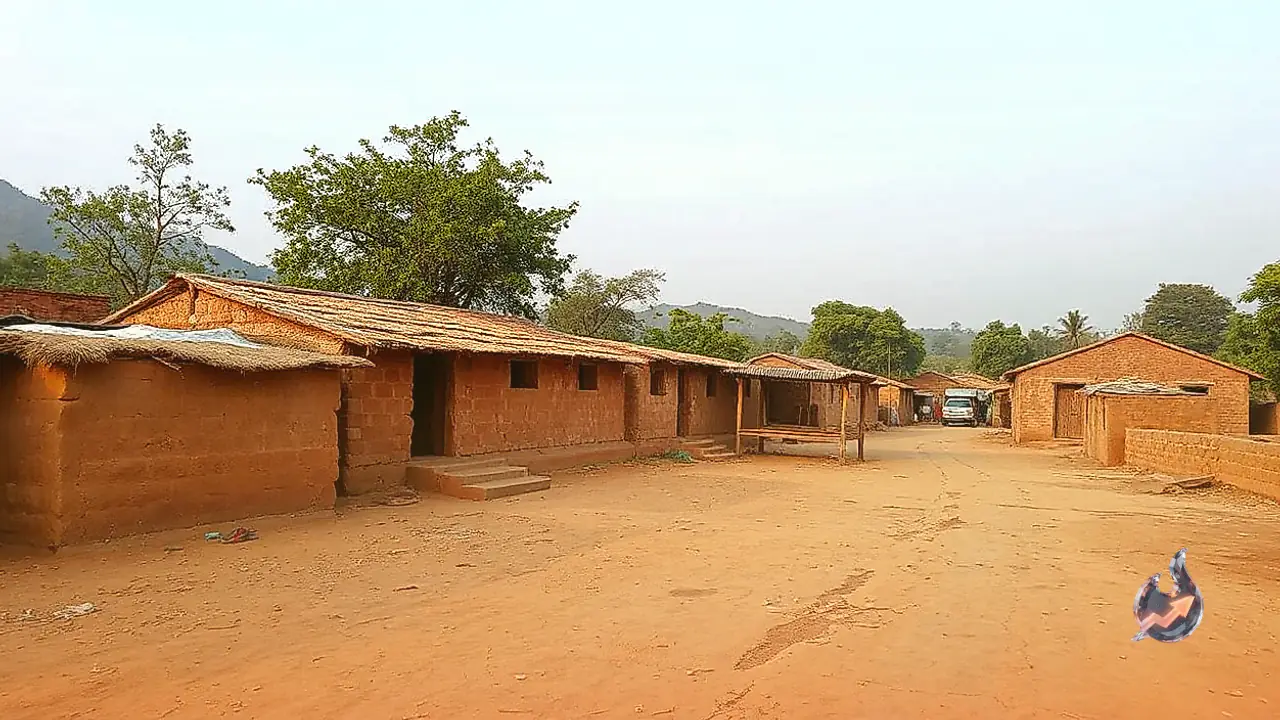
The starting point for this expedition is Gogina, a quaint village situated in the Bageshwar district that serves as the primary base camp. According to local homestay operator Dheeraj Koranga, the journey commences by crossing the Ramganga River before winding through Namik village, Bajimaniyan Kharak, and Thal Tok, eventually climbing up toward Runthal Top. The entire route is flanked by dense, ancient canopies of rhododendron, oak, and cedar trees. Vast stretches of colorful wild alpine blossoms and open high-altitude meadows, locally known as bugyals, make the trek exceptionally scenic. Birdwatchers and wildlife lovers can also look forward to catching glimpses of diverse Himalayan avian species and native wildlife along the way.
Majestic Panoramas from Runthal Top
Situated at an elevation of approximately 12,887 feet above sea level, Runthal Top offers a rewarding climax to the uphill climb. Upon reaching this high ridge, trekkers are greeted with breathtaking, unobstructed views of some of the most famous peaks in the Himalayan range, including Nanda Devi, Panchachuli, and Nanda Kot. The visual spectacle becomes particularly magical during sunrise and sunset, when the golden rays of the sun paint the snow-covered peaks in brilliant hues, drawing visitors from far and wide to witness this natural phenomenon.
Duration, Difficulty, and Best Season to Visit
Covering a total distance of about 35 to 40 kilometers, the trek typically takes 6 to 7 days to complete under normal conditions. It is classified as a moderate-difficulty trail, meaning that participants need to maintain a good level of physical fitness to navigate the terrain comfortably. However, even first-time trekkers can safely undertake this journey provided they are accompanied by a skilled guide. The optimal windows for this trek are from April to June and then from September to November. While some daring hikers do explore the trail during the monsoon months of July and August, this period demands extreme caution. Heavy seasonal rains can make the narrow dirt paths highly slippery, and there is a persistent risk of landslides in the region.
Essential Gear and Safety Precautions
For those planning to venture onto the trail during the monsoon or any other season, packing the correct gear is crucial. Essential items include high-quality waterproof jackets, raincoats, trekking boots with deep tread for a solid grip, extra layers of warm clothing, a reliable flashlight, a comprehensive first aid kit, and sufficient food and water rations. Travelers are strongly advised to check detailed weather forecasts before setting off and to obtain the latest route conditions from the local administration or the forest department. Hiking with a registered local guide is always recommended over solo trekking to ensure maximum safety. With meticulous planning and the right weather conditions, the journey to Runthal Kharak promises to be a deeply memorable adventure of a lifetime.