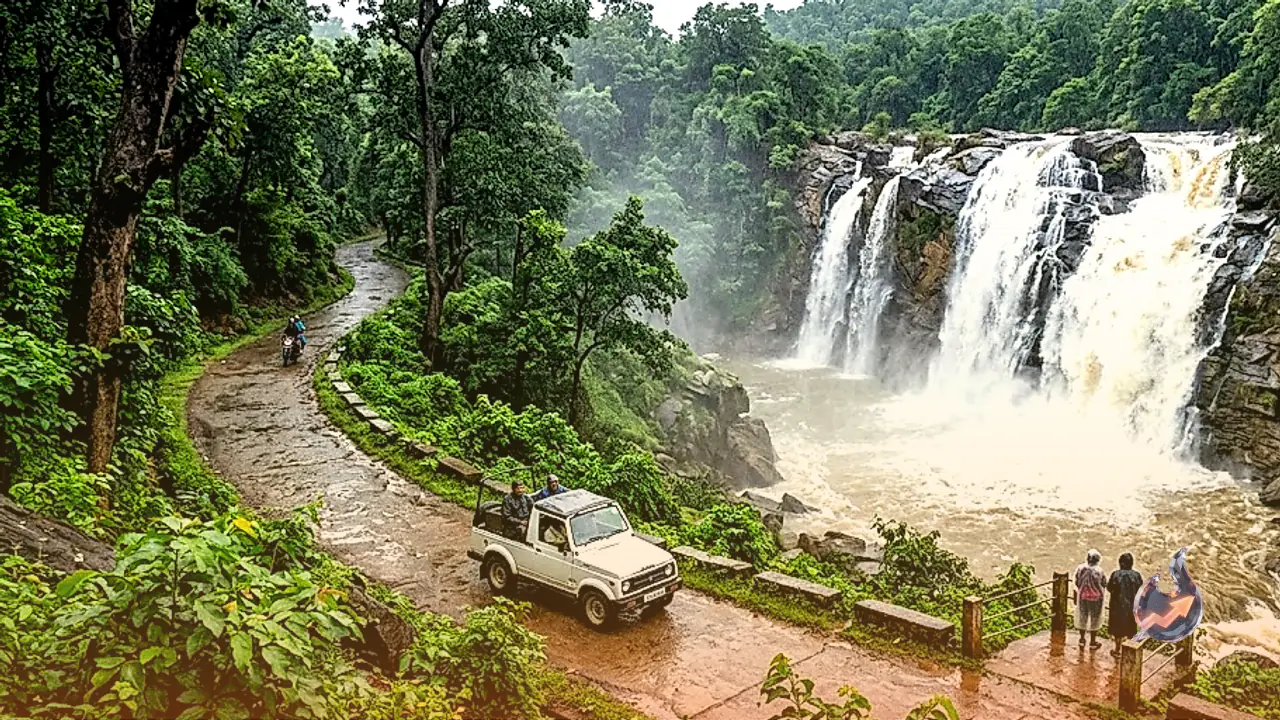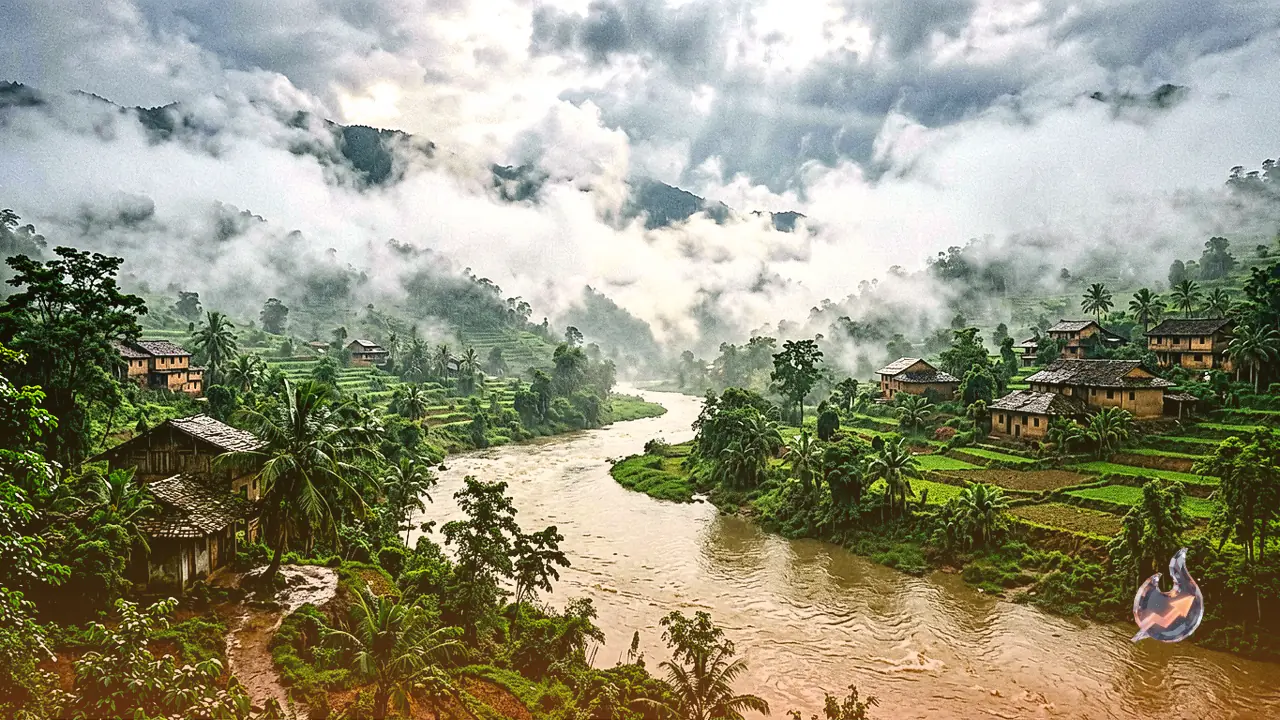





















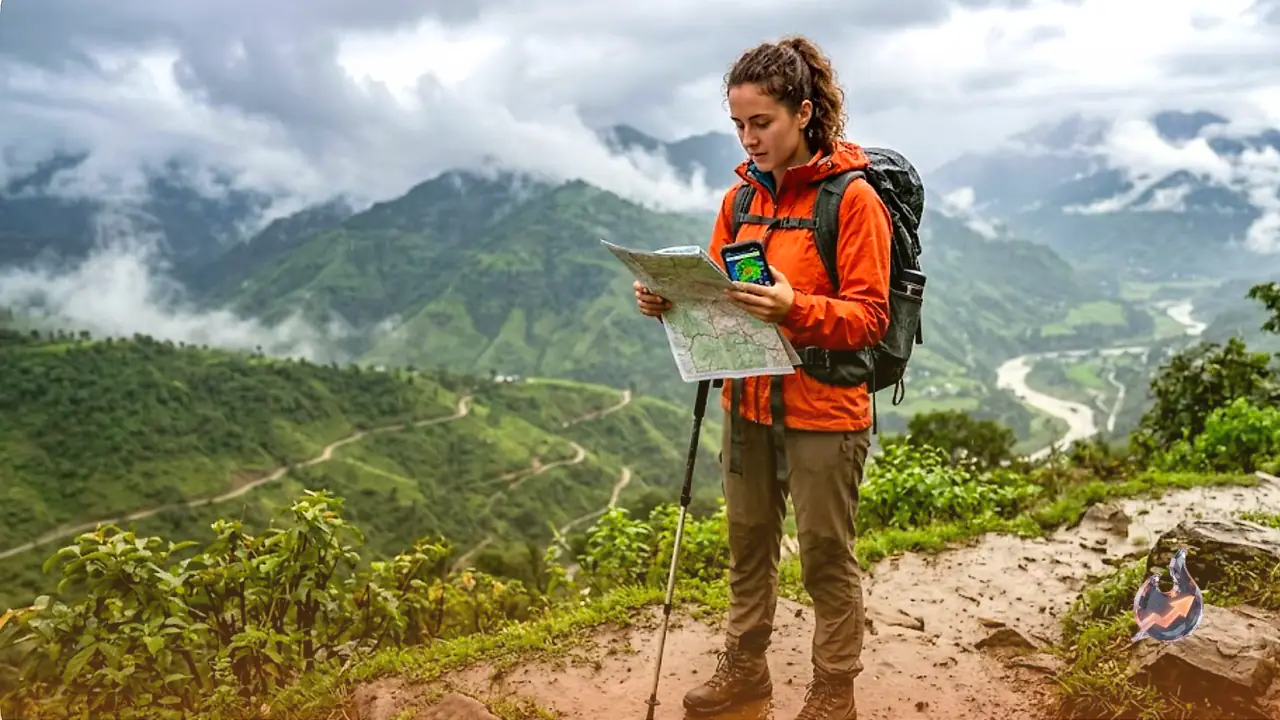

During the monsoon season, the landscape of mountain regions undergoes a complete transformation. Light drizzles, dense clouds, and lush greenery everywhere can capture anyone's heart. This is precisely why many individuals choose to visit hill stations to enjoy this pleasant weather. However, the mesmerizing charm of the mountains can prove to be quite risky during the rainy days. Landslides, flash floods, and road closures are common occurrences in the mountains throughout the monsoon season.
If you are also planning a trip to the mountains this monsoon, do not let your excitement lead you to ignore potential dangers. To ensure your journey remains not only memorable but also safe, completing some basic preparations before leaving home is absolutely vital. Here are the 5 necessary steps that will prove to be of great help in any emergency situation.
Weather Updates and Road Status
The first and most important task before heading towards the mountains is to understand the weather patterns. Keep a constant eye on local news and the alerts issued by the India Meteorological Department (IMD) for the place you are visiting. If a red or orange alert for heavy rain is declared for that region, it is wiser to postpone your trip. Additionally, stay informed about the live status of mountain roads and highways, as heavy rainfall often triggers landslides that can block routes for hours or even days.
Rain Gear and Waterproof Packing
A regular umbrella is often insufficient when traveling during the monsoon. To protect yourself from the heavy mountain rains accompanied by strong winds, it is necessary to carry a high-quality raincoat or a poncho. Furthermore, to protect your sensitive and valuable items like mobile phones, cameras, laptops, and important documents, use waterproof bags or ziplock pouches. Choose clothing and footwear that dry quickly so that dampness does not cause discomfort.
Selecting Footwear with Strong Grip
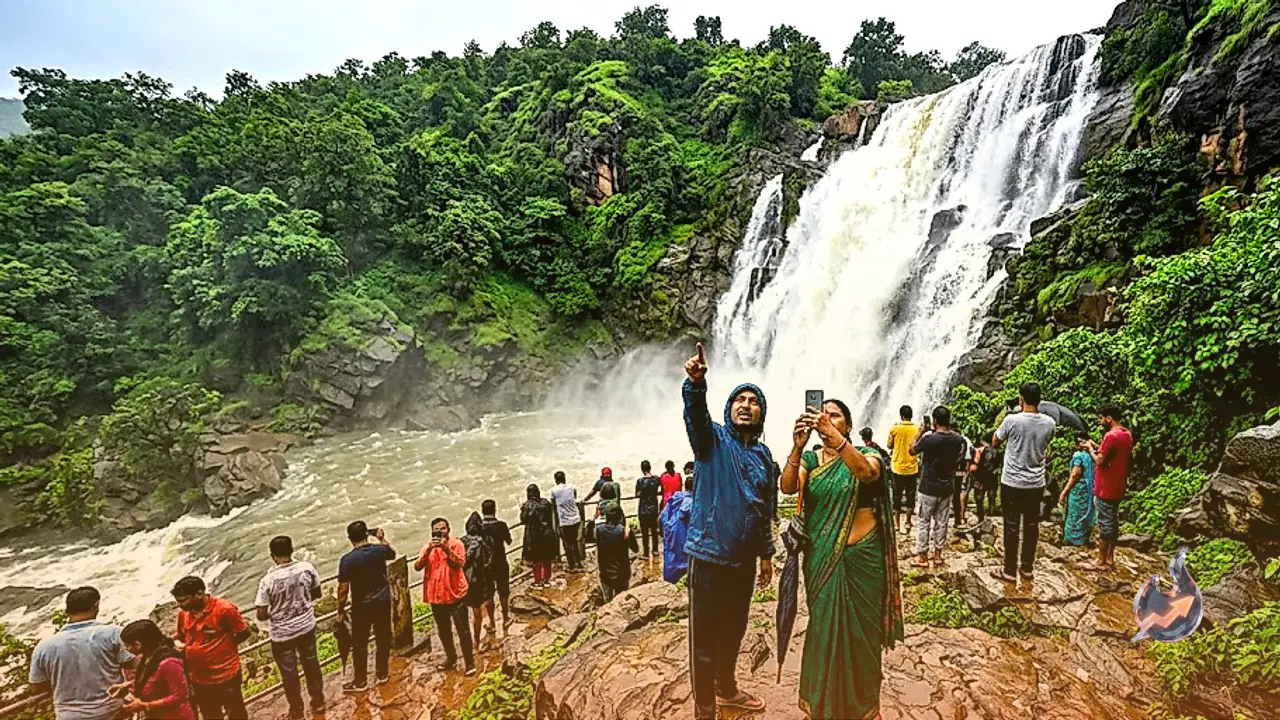
Trekking or even walking normally on mountain paths during the rainy season can be very slippery. Due to moss and mud on the rocks, there is a constant risk of slipping and getting injured. Therefore, instead of stylish footwear, take along trekking shoes or sandals that have a very strong grip or sole. Water-resistant or completely waterproof shoes are considered the best choice for this weather, as they keep your feet dry and prevent slipping.
First Aid Kit and Essential Medicines
During the rainy season, health issues like infections, stomach upsets, cold, cough, and fever are more prevalent. Moreover, if roads are blocked in the mountains, finding a medical store can become a difficult task. Therefore, ensure your first aid kit contains paracetamol, anti-allergic medicines, ORS packets, band-aids, and pain relief sprays. Since mosquitoes and insects are also more active in the mountains during this time, do not forget to carry mosquito repellent cream or spray.
Emergency Backups: Cash, Power Bank, and Dry Ration
In the age of digital payments, we often forget to carry cash, but during the monsoon in the mountains, network issues can render online payment methods like UPI completely unusable. For such situations, always keep sufficient cash on hand. To maintain your phone's battery backup, carry a fully charged power bank. Additionally, to deal with situations where you might get stuck on the road, always keep some dry rations like biscuits, nuts, energy bars, and water bottles extra in your car or bag.
As a final piece of advice, avoid night driving in the mountains during the monsoon. Visibility becomes extremely low due to fog and heavy rain, which can lead to serious accidents.