
People often keep various decorative items at home to enhance interior beauty. Among these, the statue of the Laughing Buddha is exceptionally popular. Vastu Shastra associates this symbol with happiness, prosperity, and positivity. If you already have a Laughing Buddha at home or are planning to bring one, understanding the correct rules regarding its placement is crucial for gaining favorable outcomes.
Placement Near the Main Entrance
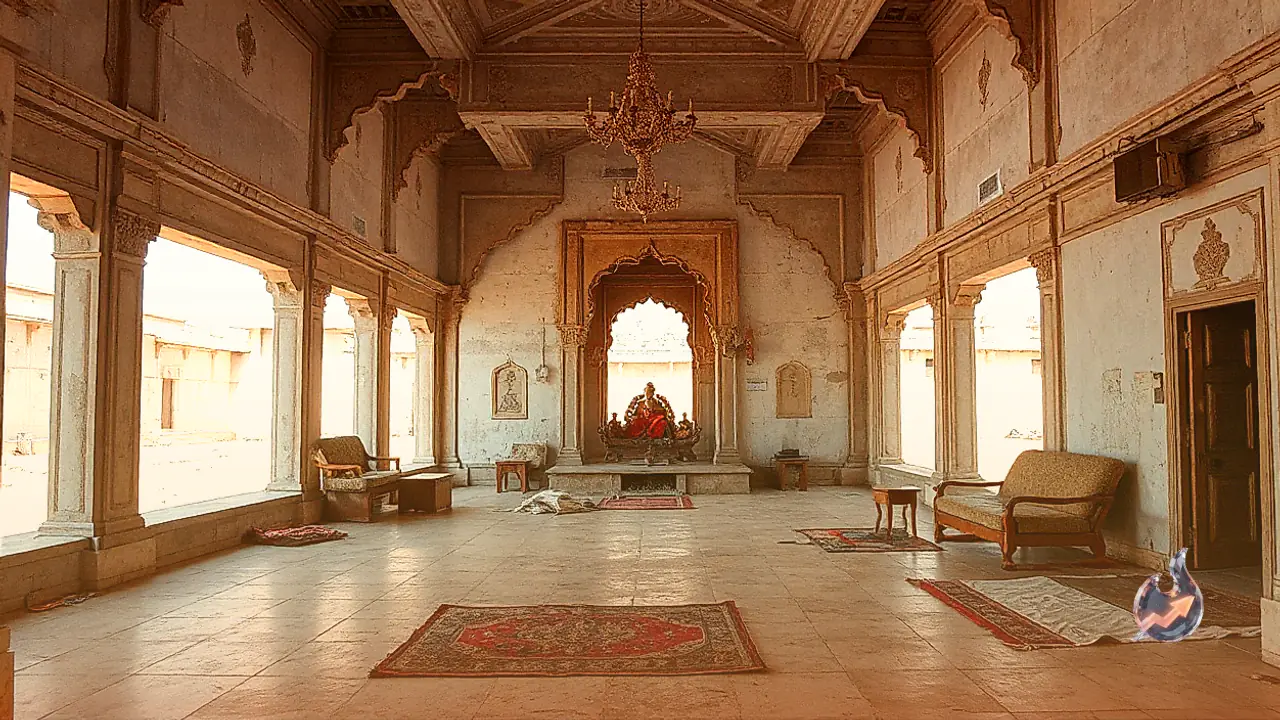
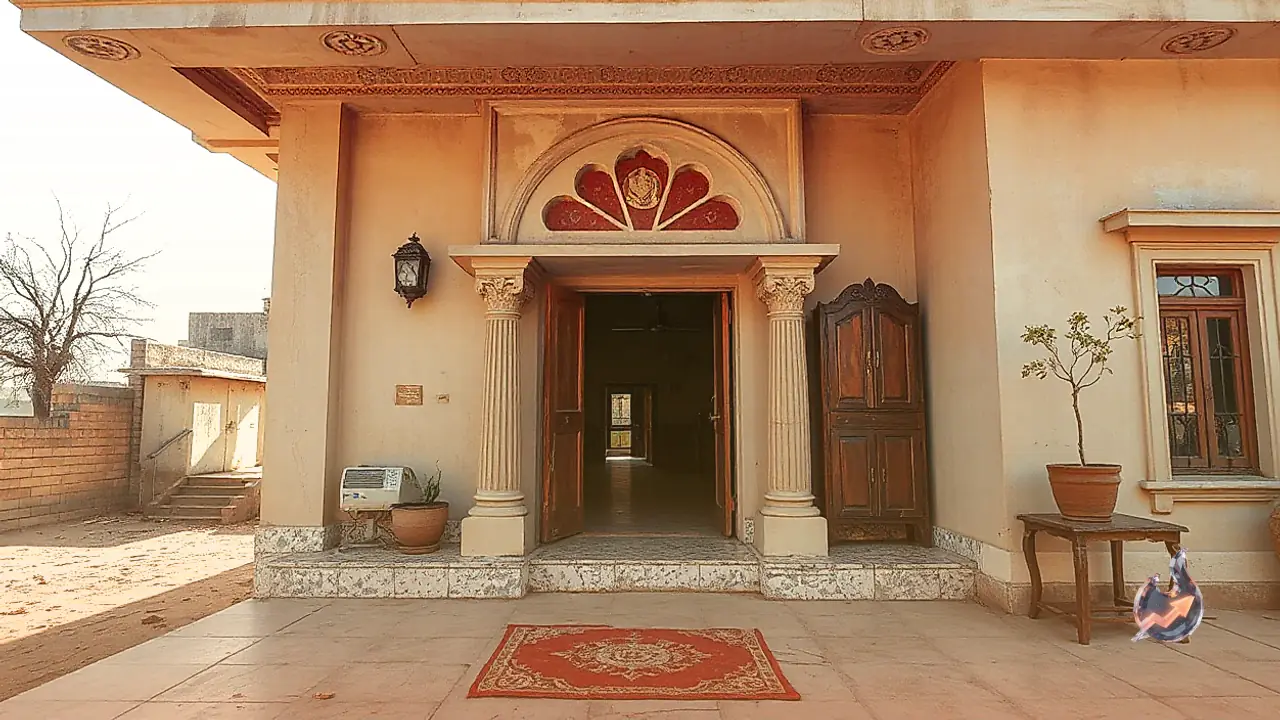
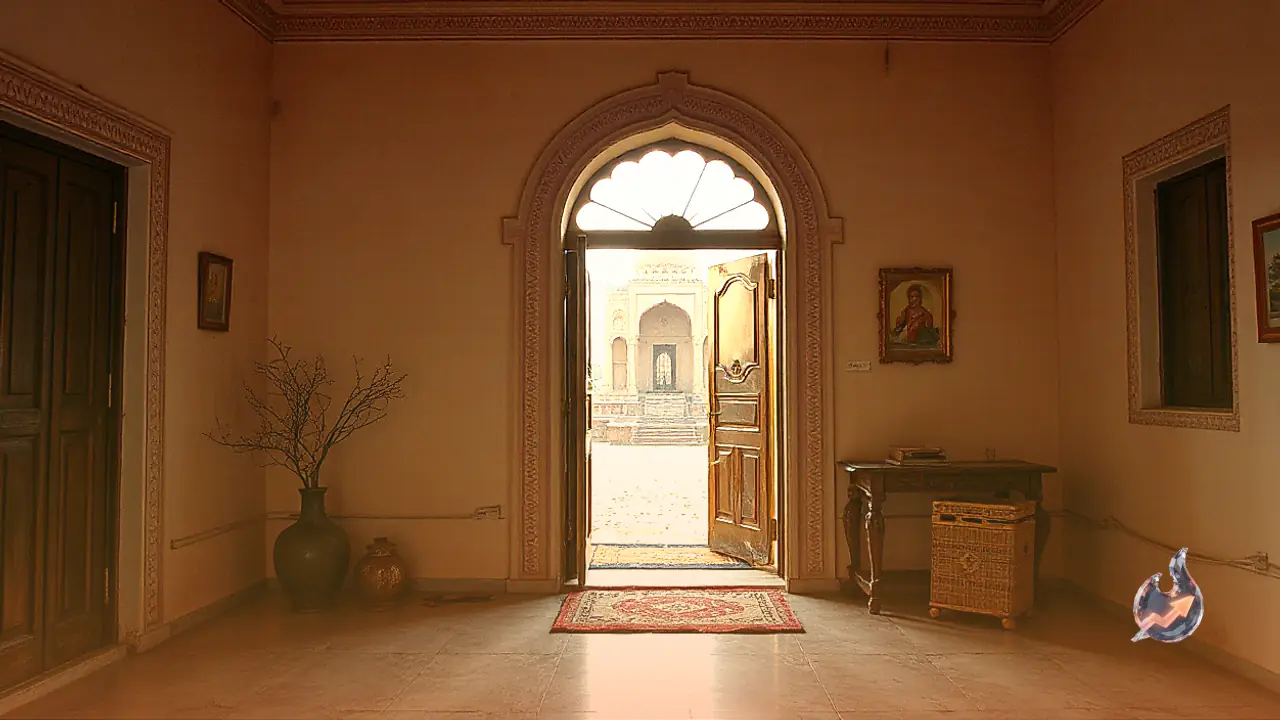
Keeping the Laughing Buddha near the main door of the house is considered highly auspicious. Instead of placing it directly on the floor or right in front of the door, it is much better to keep it on a clean surface at an appropriate height. Tradition holds that anyone entering the house feels an immediate wave of positive energy upon seeing the smiling figure.
Positioning in the Drawing Room
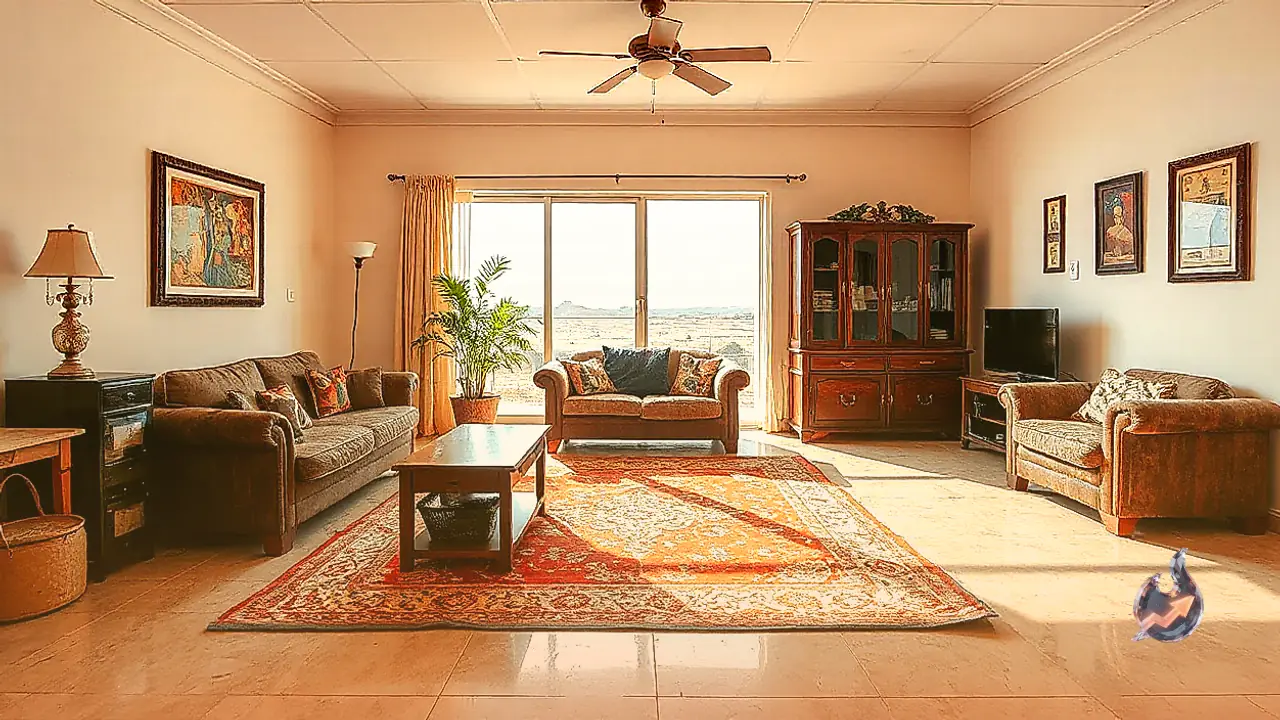
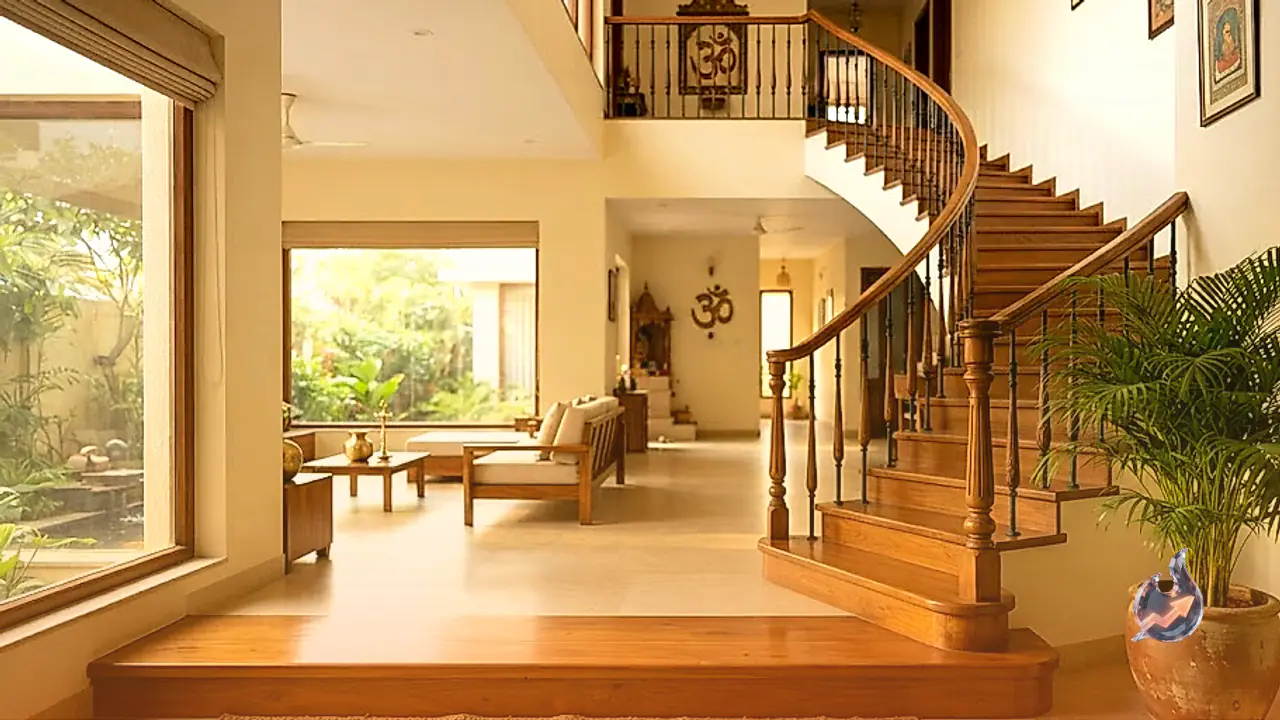
You can also place the Laughing Buddha in the drawing room of your house. It is recommended to keep it on a clean table, cabinet, or shelf. Make sure that unnecessary items or clutter are not kept around the statue. Keeping it in a tidy spot enhances the room decor and fosters a positive atmosphere according to Vastu principles.
Avoiding Direct Floor Placement
Placing the Laughing Buddha directly on the ground or floor is discouraged under Vastu guidelines. It should always be kept on an elevated spot like a clean table, wooden stand, or cabinet. This ensures the statue remains clearly visible while keeping the surrounding area neat and organized.
Why Bedrooms Should Be Avoided
According to Vastu guidelines, it is best to keep the Laughing Buddha in common areas rather than inside a bedroom. Since bedrooms are meant for rest and personal privacy, placing such decorative statues there is generally discouraged by experts.
Office and Business Placement
If a business is facing continuous hurdles or financial losses, placing a Laughing Buddha with both hands raised in the office or shop is traditionally believed to help. This specific form is linked with business success and prosperity, though these are traditional beliefs rather than scientifically verified facts.