
Rising friction in Gulf waters has now spilled into the India–US relationship. While US Navy action against three commercial vessels near the coast of Oman left three Indian sailors dead, Washington is hardening its line over Iran-linked oil shipments and what it calls violations of the blockade in the Strait of Hormuz. The strain came through clearly in a phone conversation between the two countries' foreign ministers.
Rubio's Blunt Message
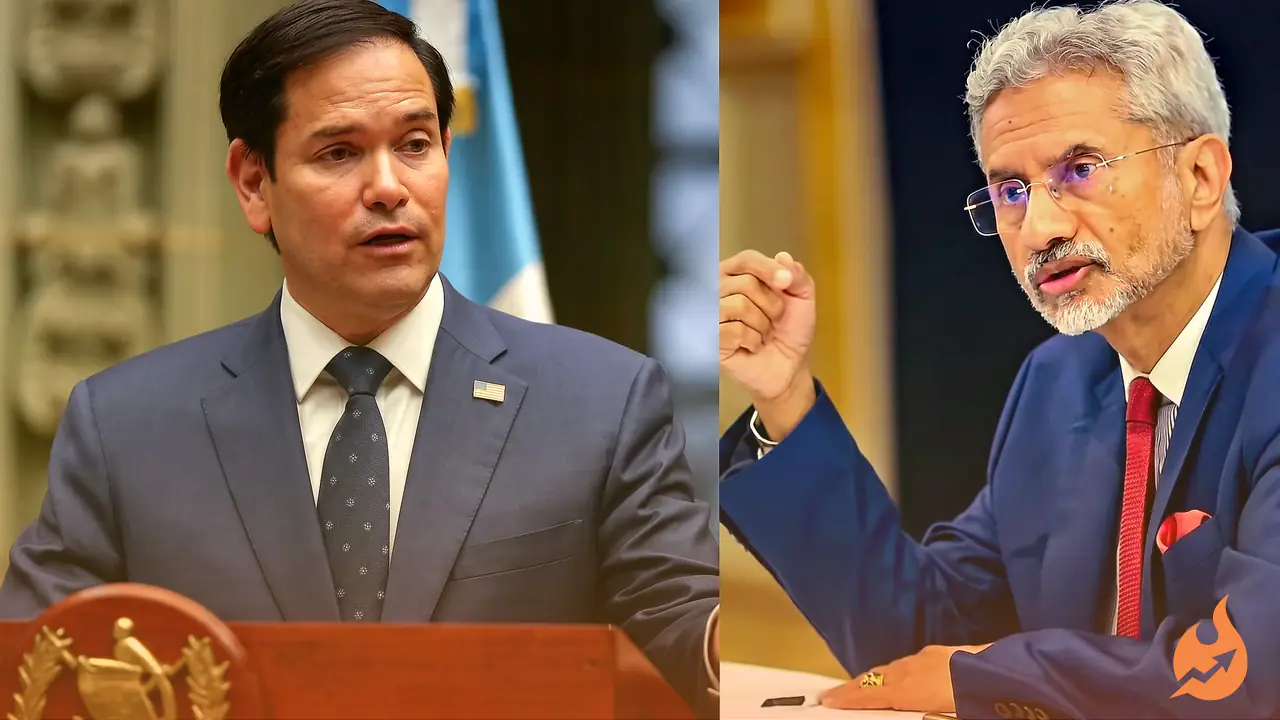
In his exchange with Indian External Affairs Minister S. Jaishankar, US Secretary of State Marco Rubio made it plain that breaches of the American blockade and the illegal movement of Iranian oil would not be accepted in any form. According to a statement issued by State Department spokesperson Tommy Pigott, Rubio told Jaishankar that every commercial ship must immediately follow the orders of the US military so that peace and security can be maintained in the Strait of Hormuz.
India Pushes Back Hard
India, for its part, has registered its objection firmly. S. Jaishankar spoke with his American counterpart on Friday and conveyed strong displeasure over the deaths of Indian nationals in the strikes near the Oman coast. On the social media platform X, he wrote that he had reiterated India's strong objection to the US action. In his own words: 'व्यावसायिक जहाजों पर इस तरह की जानलेवा कार्रवाई उचित नहीं है। मैंने अमेरिकी विदेश मंत्री को भारत का मजबूत विरोध दोहराया है।' (Such lethal action against commercial vessels is not justified; I have reiterated India's strong protest to the US Secretary of State.)
Three Ships Hit in a Single Week
This week alone, three vessels carrying Indian crew members were attacked near Oman, and one of those attacks claimed the lives of three Indian sailors. The sequence of events unfolded as follows:
- The Palau-flagged vessel 'Marivex' was carrying 24 Indian sailors. US forces disabled it on 8 June, but in this case all the crew were rescued safely.
- On 10 June, another Palau-flagged tanker, the 'Setebello', was targeted, and 3 of the 24 Indian sailors aboard were killed.
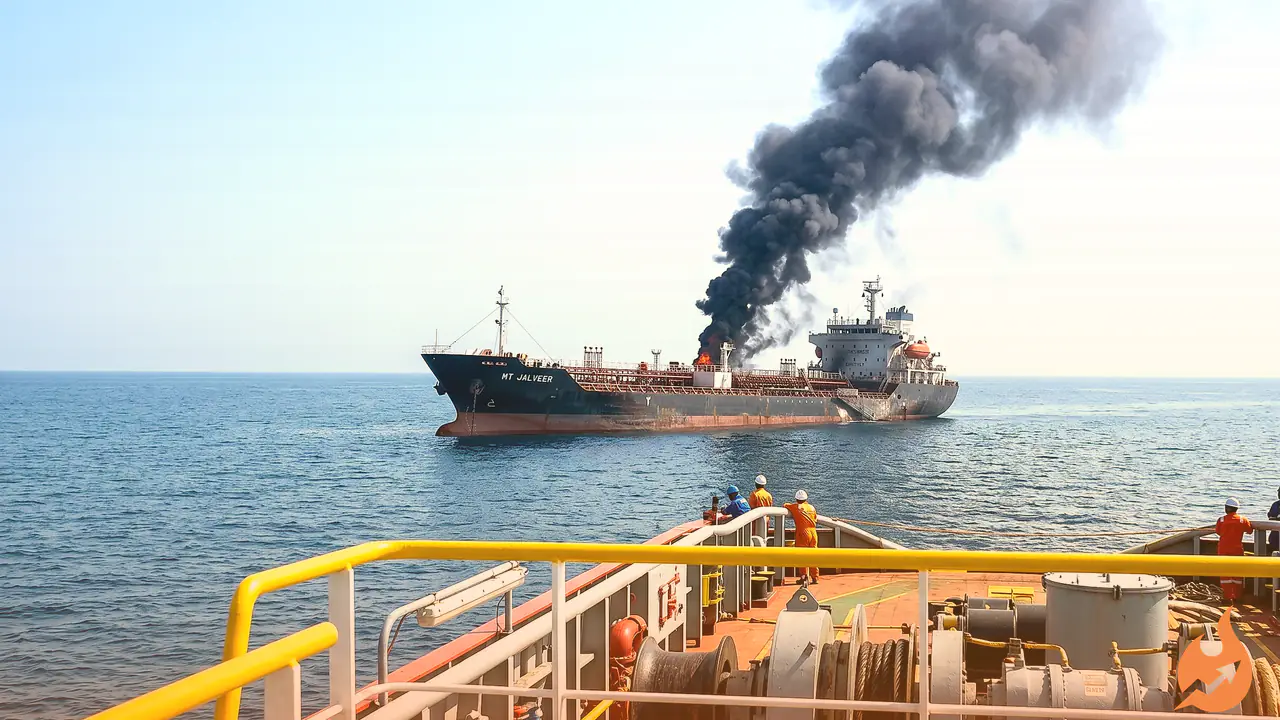
- The third ship was the Guinea-Bissau-flagged 'Jalveer', struck on Thursday, with 20 Indians on board.
India's Diplomatic Response
Following these incidents, India took a tough stance and summoned the acting head of the US embassy, Jason Meeks, telling him in no uncertain terms that American military action against Indian sailors was unacceptable. The Ministry of External Affairs summoned him again on Friday to repeat its protest, stating that India holds serious concern over the use of lethal force by the US Navy against civilian ships.
Why Tensions Could Deepen
This is the first time India has publicly acknowledged that US Navy action took place against three ships near Oman that had Indian crew aboard, with three civilians killed. On one side, the US is determined to tighten the screws on Iran-linked oil transport; on the other, India is demanding accountability for the deaths of its citizens. It is precisely this clash that appears to be widening the diplomatic rift between the two countries.