
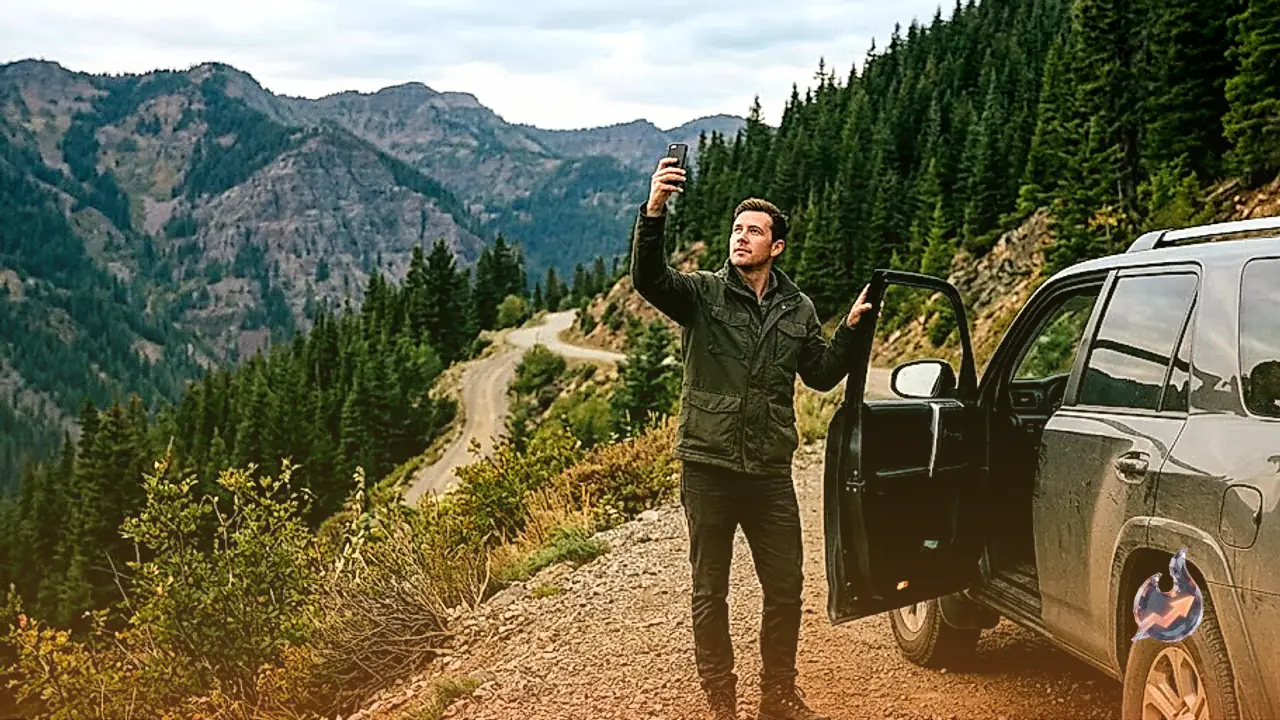



















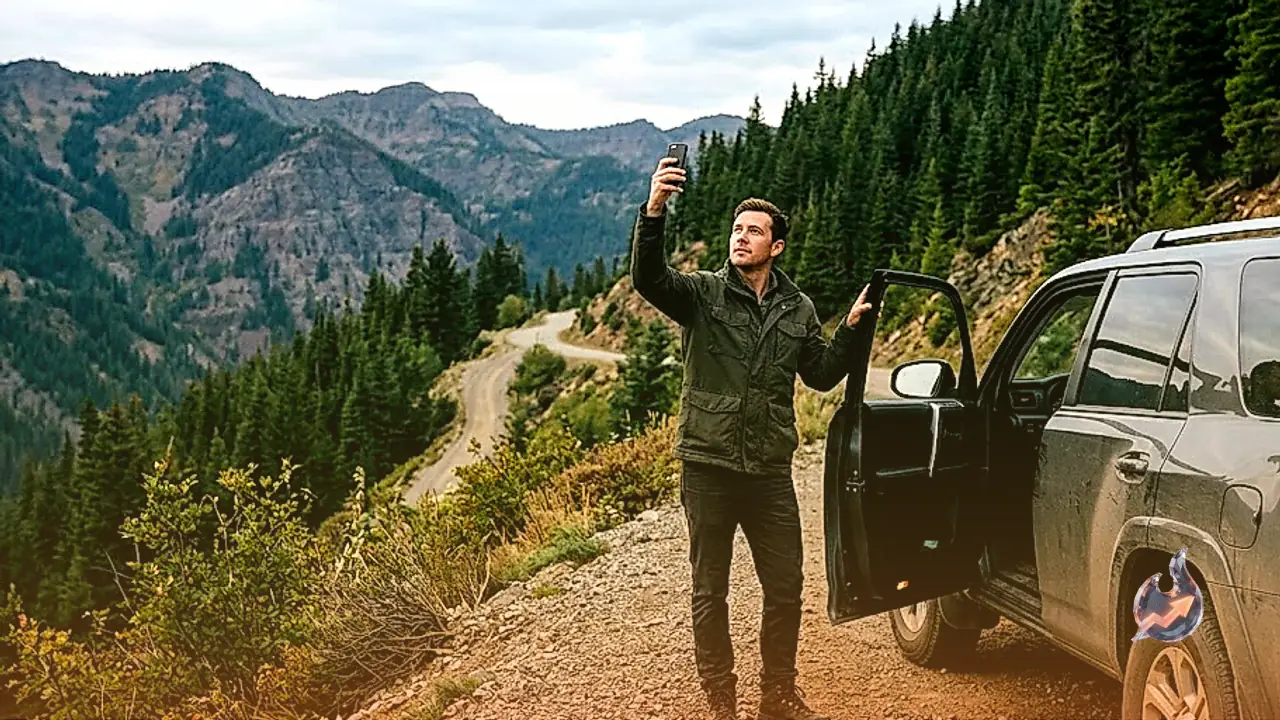

Losing your sense of direction while navigating winding mountain routes can quickly turn an ordinary road trip into an overwhelming ordeal. The crisis intensifies dramatically when mobile reception vanishes entirely from your handset. Along steep ascents, dense forests, and tight hairpin bends, losing cellular connectivity is an everyday occurrence. In such remote stretches, smartphone GPS systems routinely fail to lock onto satellites, leaving travelers feeling utterly stranded and vulnerable. Biting mountain winds, the rapid onset of darkness, and the absence of immediate help all compound the panic. To make matters worse, freezing temperatures cause phone batteries to drain far faster than usual, as mobile hardware works significantly harder in cold climates.
Pulling over haphazardly along mountain corridors presents immense hazards, given that hill roads are notoriously narrow and heavy buses or freight trucks often round blind turns at high speed. Under such demanding circumstances, staying calm, safeguarding personal security, and methodically utilizing whatever tools you have on hand remains the only logical path forward. Knowing sound preparations and basic emergency techniques not only keeps you secure but also helps you find your way back onto the proper route. Here is an in-depth breakdown of the five essential steps to take.
Stay Calm and Carefully Evaluate Your Surroundings
The instant you realize you have veered off course, maintaining composure is your most critical task. Hasty panic severely clouds clear thinking and frequently triggers erratic driving or flawed judgments. Bring the vehicle to a controlled halt at a wide, safe spot, switch off the engine, and take several deep breaths to regain focus. Scan the immediate vicinity to spot and remember distinctive landmarks, route stones, electricity pole markers, or unusual trees. Check your phone's battery level alongside any hint of cellular signal. If daylight has already faded, keep your vehicle lights or hazard flashers illuminated so other oncoming drivers can spot your position well in advance. These deliberate steps help you regain situational control.
Rely on Offline Maps and Protect Your Remaining Battery
When live cellular networks drop out completely, pre-downloaded offline maps become invaluable survival assets. Before setting out into hilly terrain, travelers should save regional maps within Google Maps, enabling device location hardware to pinpoint geographic position even without live internet data. To stretch phone life across uncertain hours, immediately switch the device into low power mode and force close all non-essential applications running in the background. Lower display brightness to minimal readable levels to conserve every bit of power. In moments where digital devices malfunction, a traditional paper map or physical road chart from the glovebox can provide immense clarity. These measures keep critical orientation alive while shielding devices from unexpected power shutdowns.
Use the 112 Emergency Helpline and Device SOS Functions
Even when ordinary voice networks fail across remote valleys, emergency SOS utilities on modern phones frequently succeed in patching through. Attempt dialing 112 or dispatching an SMS distress message across available bandwidth. If even a faint bar of connectivity flickers on screen, immediately transmit your live coordinates. Maintaining pre-saved local police station contacts and regional tourism helpline numbers prior to departure offers an extra security buffer. To preserve precious battery reserves, restrict calling exclusively to critical communication. Establishing contact through these channels can deliver both vital physical security and precise directional guidance. Stay steady and avoid despair.
Secure the Vehicle and Maintain Strict Vigilance
Whenever you bring your car to a standstill along mountain shoulders, set out reflective warning triangles or engage hazard lights to eliminate rear-end collision hazards. Keep all car doors locked from inside and exercise high caution whenever conversing with passersby. Should a passing stranger offer assistance, politely decline to let them step inside your vehicle cabin. Travelers should continually stock vehicles with ample drinking water, warm blankets, and non-perishable snack provisions. Never wander away from the vehicle on foot during late night hours. Adhering to these firm precautions shields against severe road accidents and wards off opportunistic individuals with dubious intentions.
Seek Direction From Local Residents With Courtesy
If your route passes near a roadside stall, tea shop, dhaba, or small village settlement, approach locals courteously to ask for the correct route. Keep your vehicle registration number in mind and limit the conversation to concise, necessary facts without oversharing details. When traveling with women or young children, practice heightened attentiveness and vigilance throughout the interaction. Once directions are clarified, offer a warm expression of gratitude. This respectful manner not only resolves navigational confusion rapidly but also establishes goodwill with regional mountain communities.