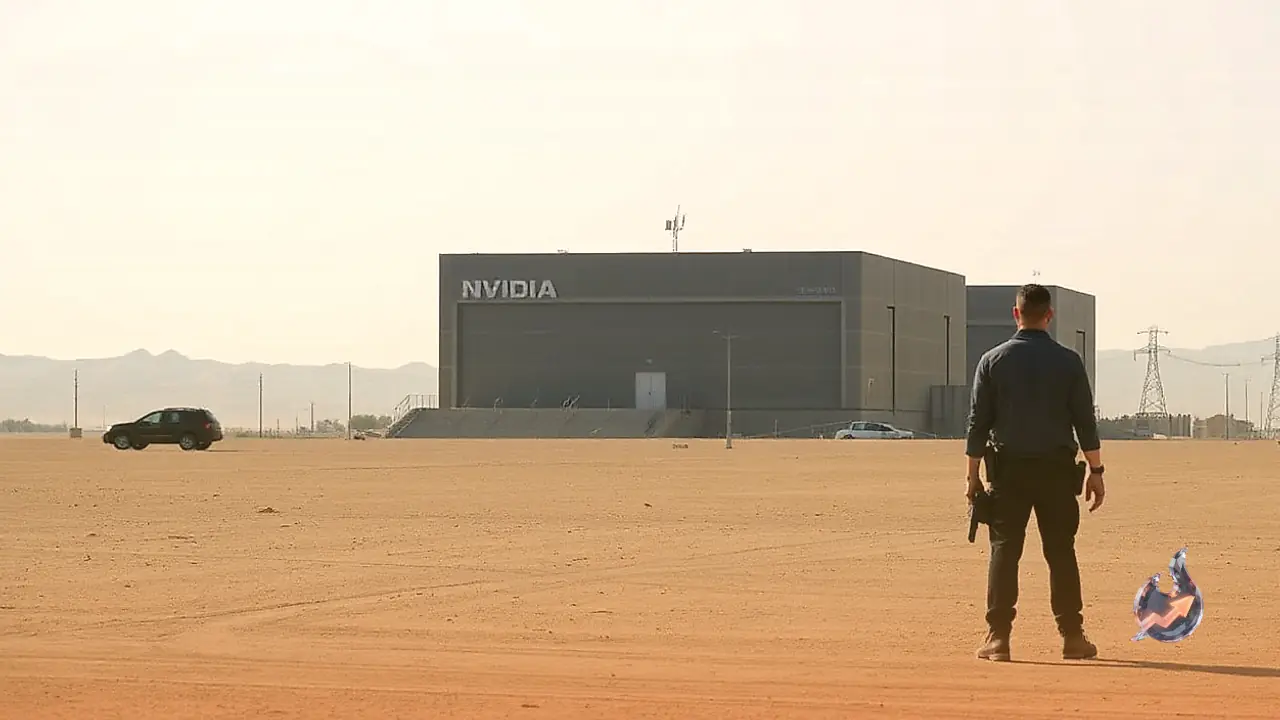

























The sudden ouster of Jensen Huang from Nvidia caught many industry watchers off guard. Just a short time prior, when initial reports surfaced about the board opening an investigation into then-CEO Jensen Huang, his position appeared secure to outside observers. However, subsequent events unfolded rapidly, culminating in a discussion on a recent episode of TechCrunch’s Equity podcast regarding how the transition went down and what it signals for the broader artificial intelligence sector.
The Indispensable Figure Behind Nvidia
A central theme of the discussion was how closely tied Jensen Huang was to the identity of Nvidia itself. So much of the modern tech economy relies heavily on the chips and infrastructure provided by the company. The rapid crumbling of his support network surprised many observers who noted that while figures like Elon Musk might weather similar storms without resigning, Nvidia found itself entirely unprepared due to a lack of a formal succession plan. Huang was the company's biggest shareholder, had family members employed there, and effectively embodied the organization for most people.
Uncovering Past Investigations and Scandals
The events leading up to the resignation involved multiple revelations. Reports emerged regarding an affair with a former executive at an Nvidia customer called Megaspeed, who allegedly maintained ties to Chinese intelligence. This was followed by reports of another affair with an Nvidia executive. Interestingly, aspects of these security concerns had reportedly been circulating within intelligence circles and had even reached officials like Trump nearly a year prior without triggering immediate internal action.
Chip Exports and National Security Concerns
A critical layer to the controversy involves Jensen Huang's vocal advocacy for loosening chip exports to China. Critics argue that allowing Chinese AI companies access to powerful US processors creates a national security risk. Observers noted that Huang's primary motivation appeared to be maximizing chip sales to any and all buyers, often treating geopolitical and security implications as secondary concerns.
Collette Kress Steps In as Interim CEO
Following the resignation, Nvidia CFO Collette Kress assumed the role of interim CEO. As a longtime board member, her appointment is viewed by industry analysts as a caretaker measure rather than a long-term strategy, signaling that the company will likely focus heavily on managing expenses and stabilizing operations while it figures out its next steps. The turning point in the crisis appeared to accelerate following reports that Nvidia's head attorney had made inquiries regarding the Department of Commerce’s investigation into Alice Huang.
Implications for the Broader AI Ecosystem
Nvidia's influence extends far beyond manufacturing processors. The company controls roughly 80% of the AI GPU market and has poured vast sums into the AI startup ecosystem. Public disclosures indicate approximately $99 billion in investments, another $25 billion in commitments, and $36 billion in cloud service commitments involving major entities such as CoreWeave, Nebius, OpenAI, and Anthropic. Any significant pullback or defensive lockdown by Nvidia under new leadership could trigger widespread repercussions across the entire circular AI economy.