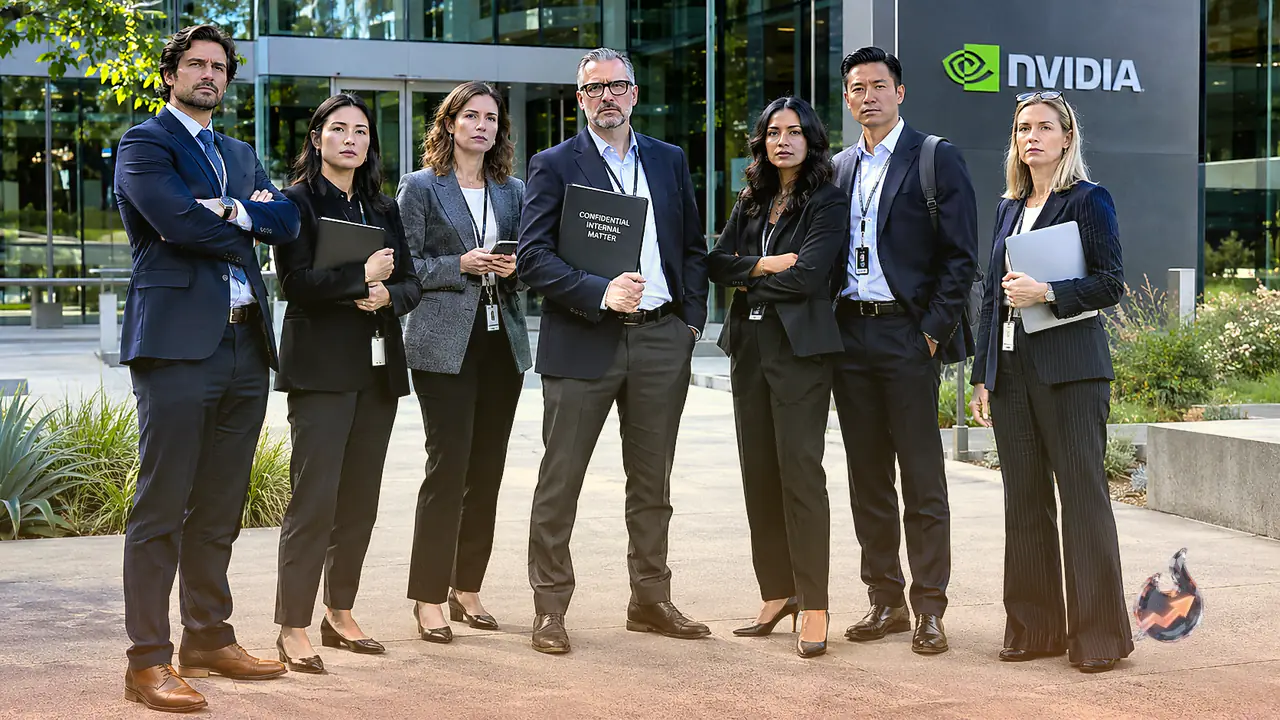





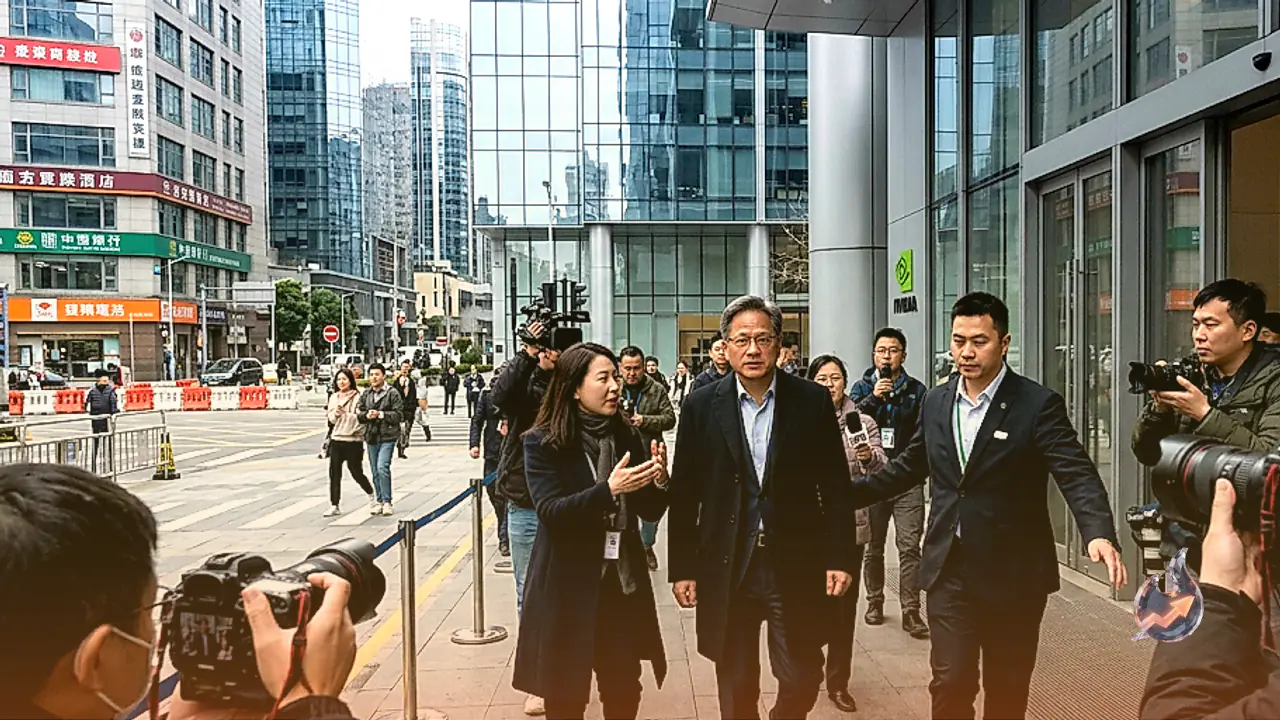
















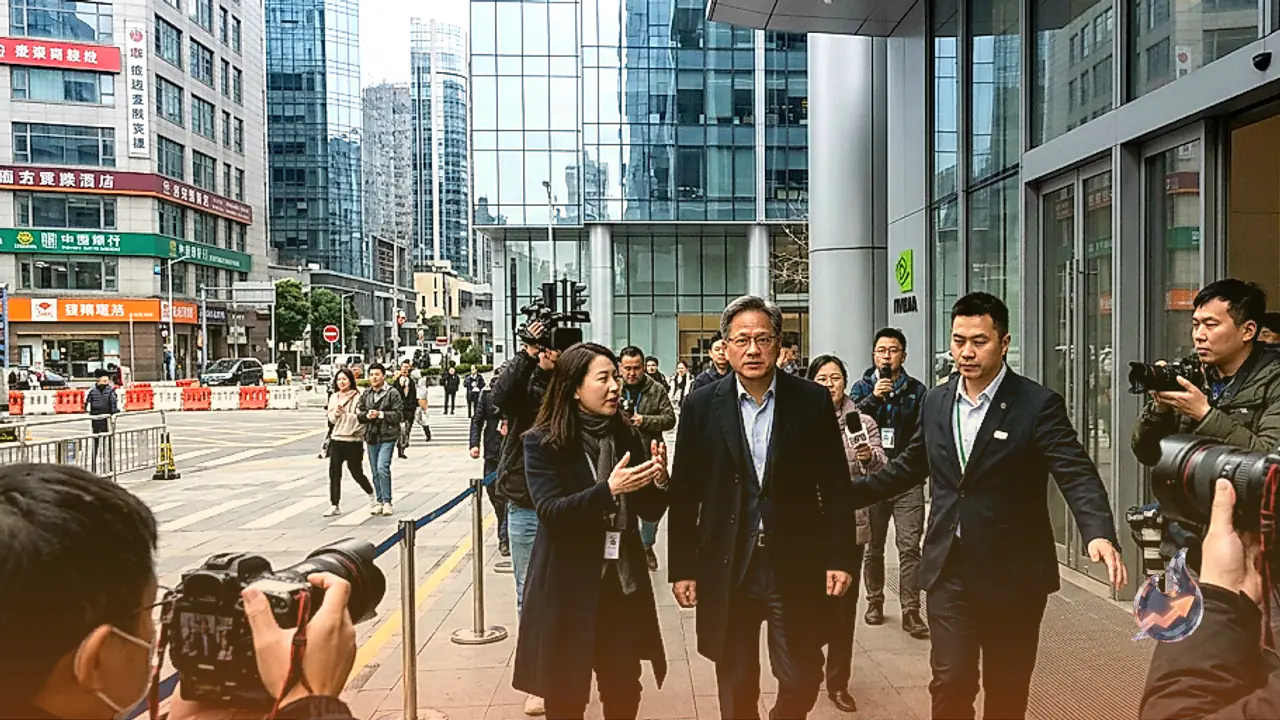

Nvidia CEO Jensen Huang has long maintained that Washington should continue selling AI chips to China rather than shutting the nation out of advanced technology. However, that entire argument faces a major complication following revelations regarding his personal life. Reports revealed that Huang was involved in a relationship with Alice Huang, a former executive at Megaspeed, which is an Nvidia customer. Jensen Huang admitted to the affair and issued an apology in a company-wide memo. U.S. intelligence officials believe that Alice Huang was recruited by Chinese intelligence to gather information on the CEO and influence corporate efforts aimed at loosening export restrictions on advanced processors.
Independent Investigation and Congressional Inquiry
Following the disclosure, Nvidia's independent directors initiated a thorough investigation into the matter with the assistance of outside legal counsel. At the same time, lawmakers are demanding official answers and transparency regarding the connection. The controversy unfolds at an exceptionally sensitive juncture for Nvidia. Historically, the Chinese market has represented a vital revenue stream for the tech giant. That footprint has contracted in recent years due to tightening U.S. export controls and an aggressive push by Beijing toward homegrown alternatives. During the three months ended July 26, the company generated $7.9 billion in revenue from customers headquartered in China, accounting for roughly 8% of its total revenue.
Lobbying Efforts and Shifts in the Chinese Market
Huang has continuously lobbied American authorities to expand market access to China, utilizing persuasion tactics that have achieved notable results in the past. He met repeatedly with President Donald Trump and administration officials, leading the government to reverse restrictions on specific chips and permit exports of powerful H200 processors. On multiple occasions, Huang has criticized export restrictions publicly, describing them as a failure and warning against the creation of separate technological ecosystems. Industry data indicates that China is actively developing its own domestic capabilities, with reports showing hundreds of thousands of advanced chips held in transit while Beijing prioritizes local alternatives.
Broader Implications for Washington Relations
Observers note that Huang's advocacy for the Chinese market predates his introduction to Alice Huang at an industry event, pointing to his overarching goal of dominating a major global computing market. Still, the allegations introduce fresh scrutiny over the company's business practices and corporate governance. Even if internal investigations clear the CEO of sharing proprietary secrets, rebuilding confidence among American policymakers remains a formidable challenge. Secretary of State Marco Rubio reportedly warned officials close to the administration earlier this year regarding the connection, leaving the future of Nvidia's trade strategy in question as corporate representatives decline to comment further.