




















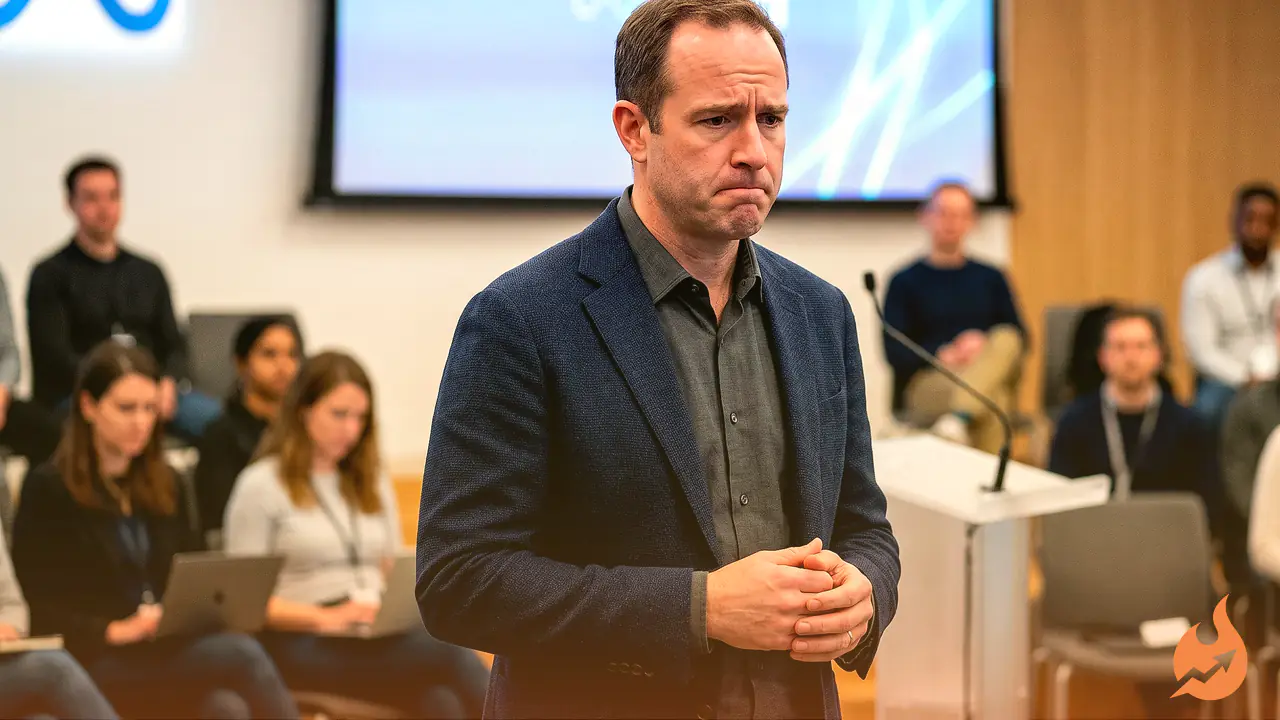

After months of simmering discontent inside the team building Meta's artificial intelligence products, one of the company's most senior leaders has now openly accepted fault. In a long internal memo, chief technology officer Andrew Bosworth conceded that the way Meta handled the reshuffle of its Applied AI team was deeply flawed.
What Sparked the Frustration
The admission came after last week on the widespread dissatisfaction within the Applied AI engineering unit. Meta stood up the division in March, pulling together about 6,500 engineers and product managers. Their brief was to work on projects aimed at sharpening the company's generative AI models. Yet workers found the assignments so menial that one of them went as far as calling the unit "a gulag."
In the memo, Bosworth wrote, "We've undermined the trust you have that your specific expertise and contribution will be valued, that you will grow and advance your career, and that this will be a place where you can actually have an impact. We shook up the management structure that was providing you stability while rapid changes in strategy, including the boom/bust cycle of hiring, left entire teams in the lurch."
Meta did not immediately respond to a request for comment.
Morale Slipping Across the Company
The unease inside the AI team is not an isolated case. Following mass layoffs, worker surveillance and a string of other concerns, morale across Meta has been sliding. In recent days, several executives, including CEO Mark Zuckerberg, have posted internal messages acknowledging how employees feel and pledging to make changes to address it.
The Changes Bosworth Laid Out
Long regarded as a Zuckerberg loyalist, Bosworth used his lengthy memo to promise that employees would get more personalized attention going forward. He wrote that Meta plans to cap each manager at about 20 direct reports, and will try to cut down how often workers are moved to new managers during restructurings.
Bosworth also said the company's leadership would commit to better explaining the reasoning behind strategy shifts and organizational changes. Managers would now focus primarily on managing and only secondarily on independent work, and employees would have access to "AI coaching" tools if they chose to use them.
Replying to a comment on his memo about the Applied AI team, Bosworth wrote, "We obviously did an atrocious job explaining the vision, giving people a clear picture of how we would support them and their careers in the shift, and painting a picture of how it would change over time."
A Path Out to Other Roles
In a separate post from late last Friday seen by TrendKia, Maher Saba, a vice president leading the Applied AI team, told employees who had been forced into the unit that they would now be allowed to take other roles within Meta if they could land them. "Moving forward, we are returning to business as usual and giving people the agency to apply to roles that interest them," Saba wrote.
Bosworth on AI and Jobs
Bosworth stressed that Meta does not buy into the idea that AI will fully replace AI workers. Even so, he said, "We should heed the saying, 'AI won't take your job but someone who knows AI might.'" He added that there would be "tough trade-offs for a while" over how much computing power each team gets to run AI tools. "We will do our best to be transparent and invest responsibly to alleviate bottlenecks," he wrote, while urging employees to escalate any problems they run into.
Trying to Lift Spirits
In a bid to boost morale, Bosworth vowed to make the company a "fun and enjoyable" place to work. Meta will be "improving microkitchens," the in-office break areas stocked with snacks and drinks, and increasing travel budgets along with spending on social events, so that employees can spend time together in person.