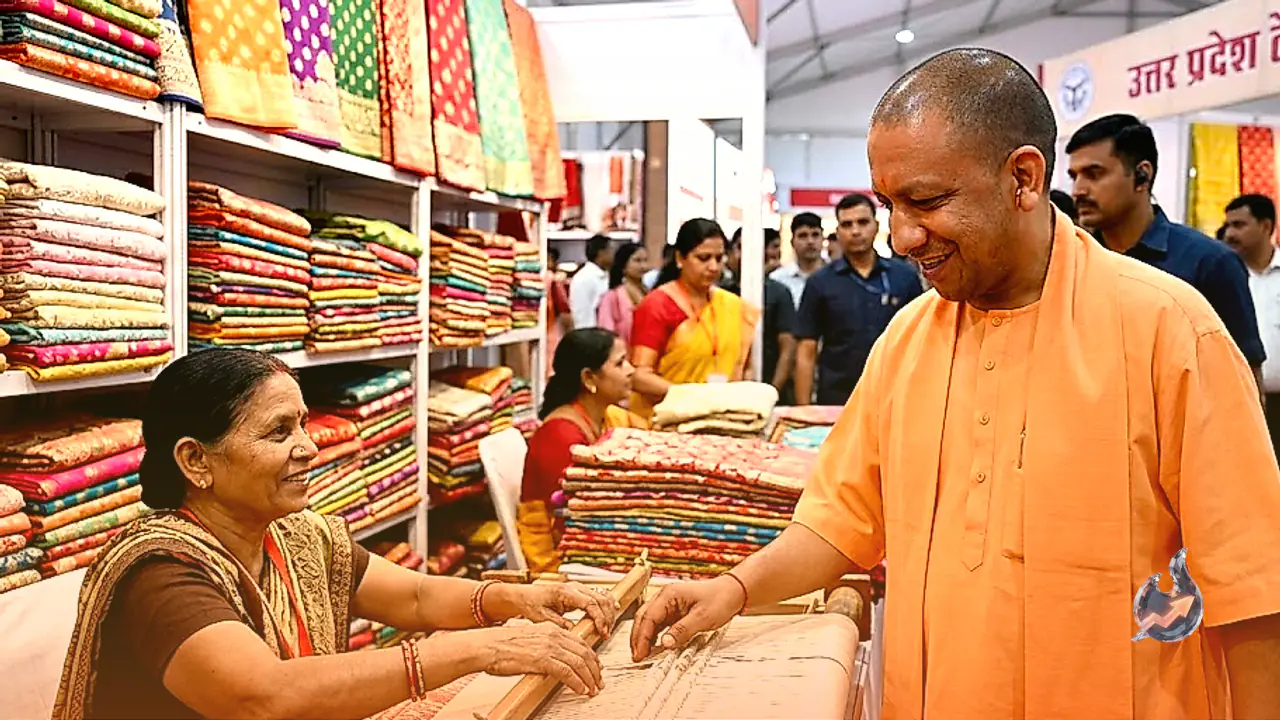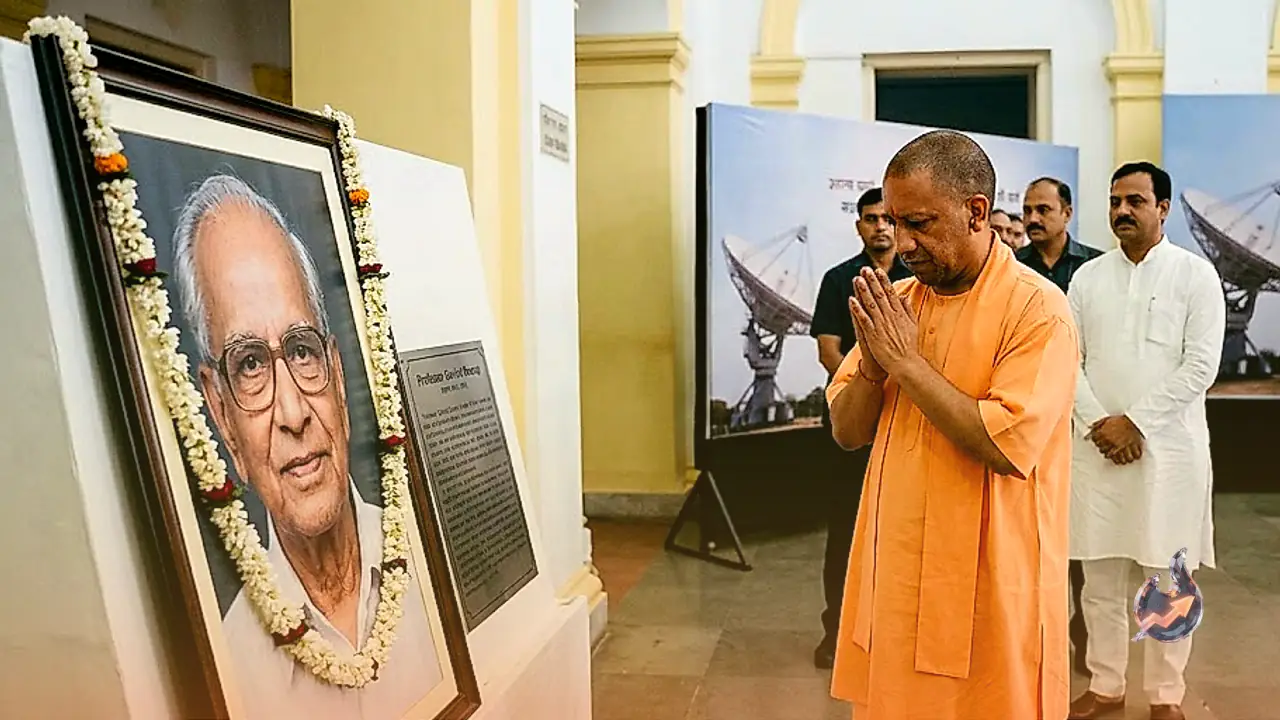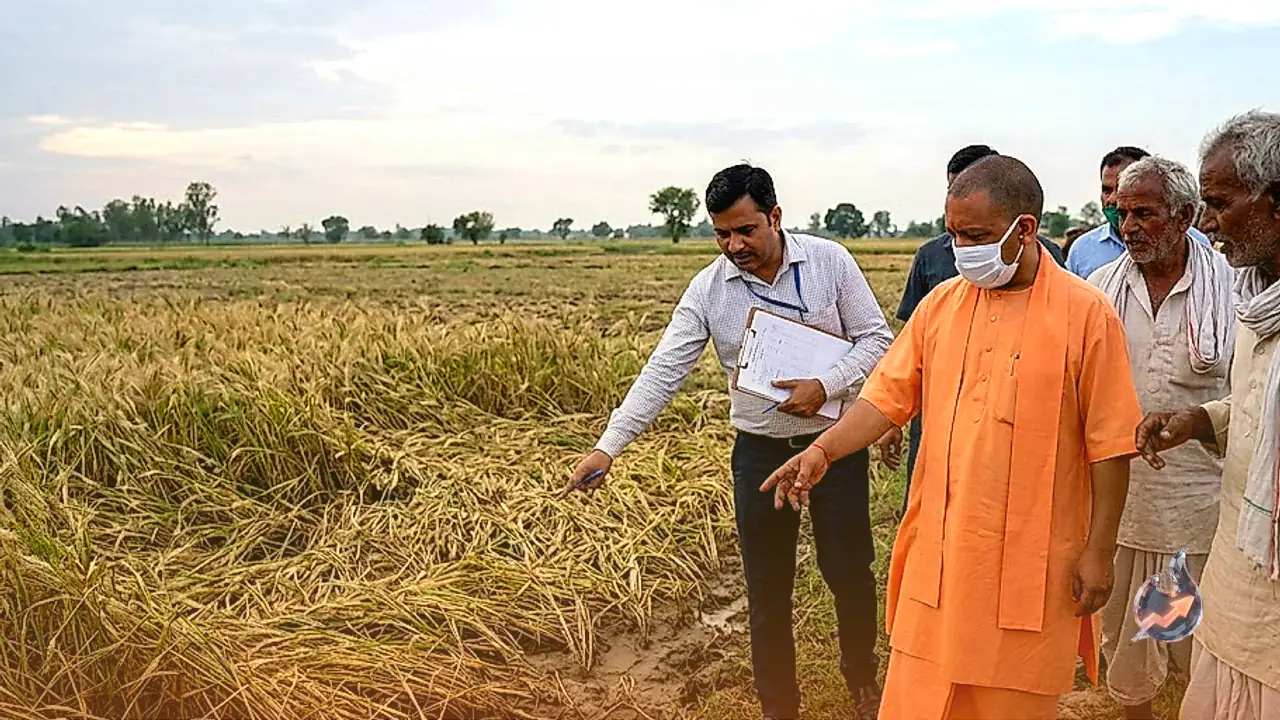


















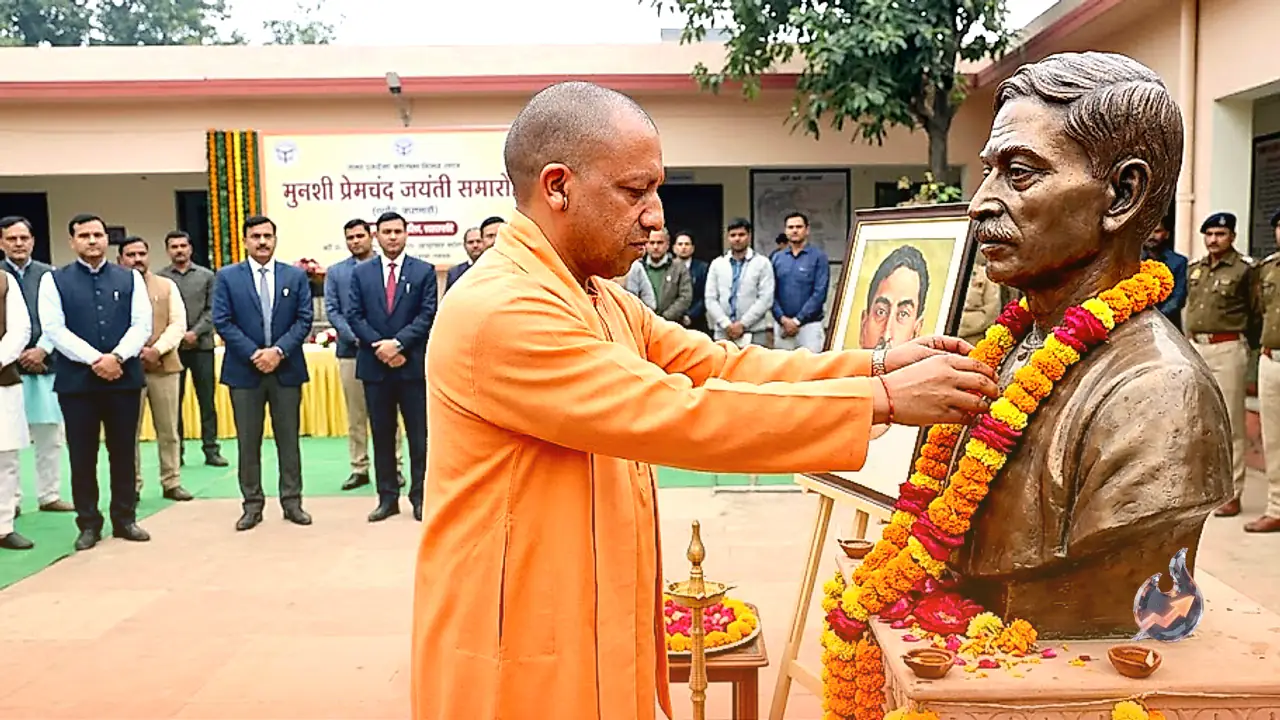

On the birth anniversary of 'Upanyas Samrat' Munshi Premchand, Yogi Adityanath paid rich tributes to the legendary literary icon, recalling his monumental contributions to Indian literature and national consciousness. Yogi Adityanath highlighted that Premchand's pen gave a powerful voice to the realities, human emotions, and daily struggles of common Indian citizens. He noted that Premchand's timeless works remain a permanent repository of ethical values and continue to serve as a beacon of inspiration for nation building across generations.
Yogi Adityanath's Message and Tribute
In a social media message dedicated to the iconic author, Yogi Adityanath expressed profound reverence for Munshi Premchand's enduring legacy. He emphasized that Premchand's literature provided an authentic representation of rural life, social hardships, and empathy for the underprivileged. Highlighting the ongoing relevance of his writings, Yogi Adityanath stated, "His works continue to guide us as an everlasting source of inspiration for human values and nation building." The statement underscores how Premchand's literary philosophy remains central to India's cultural heritage and collective identity.
Who Was Munshi Premchand: Life and Timeless Works
Born as Dhanpat Rai Srivastava on July 31, 1880, Munshi Premchand is universally recognized as one of the greatest novelists, short story writers, and social thinkers in Hindi and Urdu literature. Over his prolific career, he authored nearly one and a half dozen major novels, including classics such as Sevasadan, Premashram, Rangbhumi, Nirmala, Gaban, Karmabhumi, and his magnum opus, Godan. In addition to his novels, Premchand penned over 300 short stories. Immortal masterpieces like Kafan, Poos Ki Raat, Panch Parmeshwar, Bade Ghar Ki Beti, Booidhi Kaki, and Do Bailon Ki Katha continue to resonate deeply with readers. Most of his literary creations were published in both Hindi and Urdu, bridging linguistic divides and reaching a vast audience. He remained dedicated to creative writing until his final days; his essay Mahajani Sabhyata stands as his last published essay, Sahitya Ka Uddeshya as his final address, and Kafan as his last acclaimed short story.
Journey in Journalism, Publishing, and Cinema
Beyond his fiction, Munshi Premchand was a pioneering journalist and editor who shaped public discourse during a critical period of Indian history. He contributed regularly to the most prestigious Hindi and Urdu journals of his era, including Zamana, Saraswati, Madhuri, Maryada, Chand, and Sudha. To foster independent press and literary thought, he took over the editing and publication of the Hindi daily newspaper Jagran and the renowned literary magazine Hans. In order to publish uninhibited social critiques, he acquired the Saraswati Press. Although the press encountered financial distress and eventually closed down, his venture demonstrated his uncompromising dedication to freedom of expression. Furthermore, Premchand moved to Mumbai for approximately three years, where he wrote screenplays for Indian cinema, bringing narrative realism to cinematic storytelling.
Social Harmony and Cultural Relevance
Munshi Premchand's journalistic and literary efforts consistently paved the way for social harmony and reform. By exposing feudal exploitation, caste inequalities, and economic hardship, his works laid the groundwork for constructive social awareness. Academic and cultural institutions regularly commemorate his legacy across India. For instance, on his 140th birth anniversary, an online lecture series was organized in Jodhpur, where scholars examined the contemporary relevance of Premchand's socio-literary ideals. His writings remain a vital medium for giving voice to marginalized communities and instilling moral responsibility in society.
Public Reaction
The tribute shared by Yogi Adityanath evoked widespread engagement from members of the public online. Numerous users paid their respects to Munshi Premchand, honoring his literary contributions. Some citizens urged local administrative authorities to rename prominent public infrastructure, such as the Pandeypur flyover or key city intersections, after Munshi Premchand while ensuring proper maintenance of his heritage. Other commentators reflected on Premchand's literary philosophy, social influence, and historical impact.