























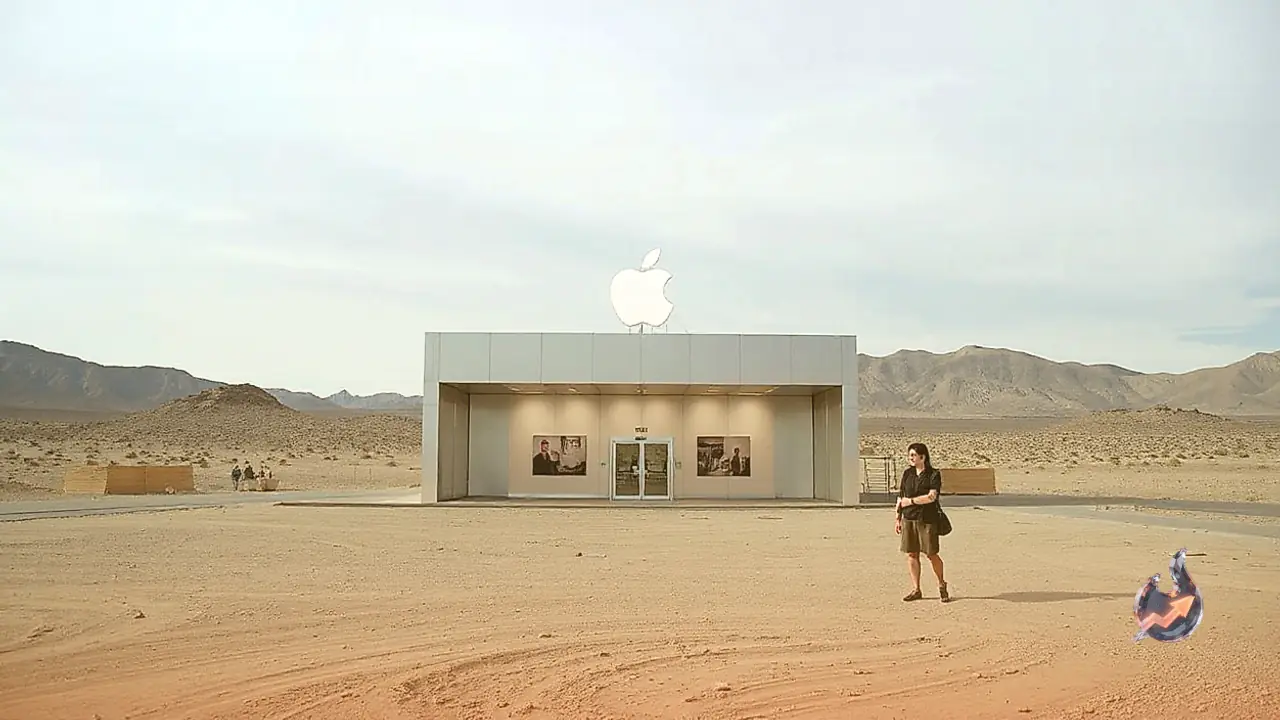

While Apple's services division continues to operate at record levels, structural strains across its core operations are intensifying. The cornerstone of that segment, the App Store, has faced stringent regulatory scrutiny and a marked deceleration in mobile gaming, both of which have dampened services expansion. To offset these mounting headwinds, the tech giant is now signaling potential moves to harness third-party artificial intelligence integrations to open fresh streams of income.
Eyeing AI Agents and External Partnerships for Growth
During a Monday earnings call, Apple Chief Financial Officer Kevan Parekh addressed how artificial intelligence might bolster top-line growth over time. On the hardware front, Parekh noted that AI capabilities serve as a primary catalyst encouraging consumers to upgrade hardware and switch ecosystems to access the latest features. However, his remarks extended beyond company-built software into the broader developer ecosystem.
Parekh highlighted that growth potential exists across third-party applications and partnerships alongside direct first-party opportunities. While he refrained from detailing the specific operational mechanics of these third-party ventures, market participants have questioned whether Apple might distribute external AI agents directly through the App Store ecosystem and claim a share of the transaction revenue they generate.
Commission Reductions and Global Regulatory Clashes
Legal mandates and antitrust interventions across multiple jurisdictions have chipped away at App Store commission margins, even as the broader services unit posts overall gains. Historically, Apple enforced rigorous payment processing monopolies within its marketplace, securing a cut of digital purchases. A landmark legal challenge brought by Epic Games ultimately forced the company to permit developers to route consumers toward external payment rails. Subsequent court disputes across international markets have introduced further operational hurdles.
The economic impact of these legal shifts has already materialized in key territories. Third-party estimates from August pointed to an 18% decline in U.S. commission revenue, alongside corresponding drops in Japan and Brazil following newly enacted regulatory mandates. These structural changes have forced executive leadership to re-evaluate how the App Store can monetize its distribution reach.
September Quarter Trajectory and Near-Term Outlook
Reflecting on App Store performance during the earnings discussion, Parekh acknowledged the mixed conditions shaping current operations. For the September quarter, overall App Store performance mirrored the previous year's levels. A notable bright spot was the paid subscription category, which reached an all-time high with double-digit percentage expansion across third-party offerings. Conversely, previously identified weakness in mobile gaming persisted, with expectations that these headwinds will stretch into upcoming quarters.
Looking ahead toward the December quarter, Apple projects services revenue expansion will settle between 8% and 9%. According to Parekh, this guidance factors in sequential drags primarily stemming from third-party licensing arrangements and an additional half percentage point impact from foreign exchange movements. With conventional commission flows constrained, expanding services into new domains like third-party AI software is becoming an increasingly strategic imperative.