





















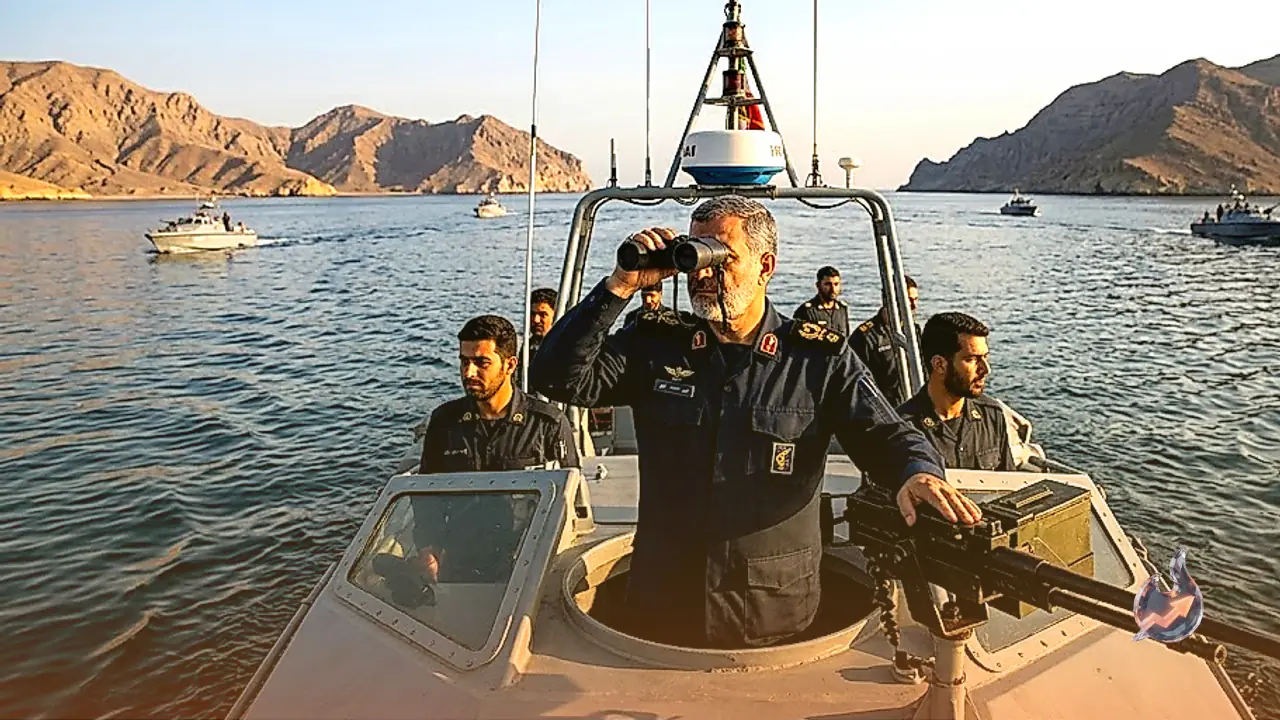

The Islamic Revolutionary Guard Corps (IRGC) of Iran has declared the Strait of Hormuz closed to all maritime traffic until further notice. This strategic waterway, a critical artery for global shipping, has been sealed off in response to what Tehran describes as illegal and unwanted interference by the United States in the West Asian region. According to official statements from the IRGC, no vessels will be permitted to pass through this critical passage as long as the current state of regional insecurity caused by foreign intervention persists. The blockade remains in force until the United States halts its operations in the vicinity.
Severe Warning to the United States
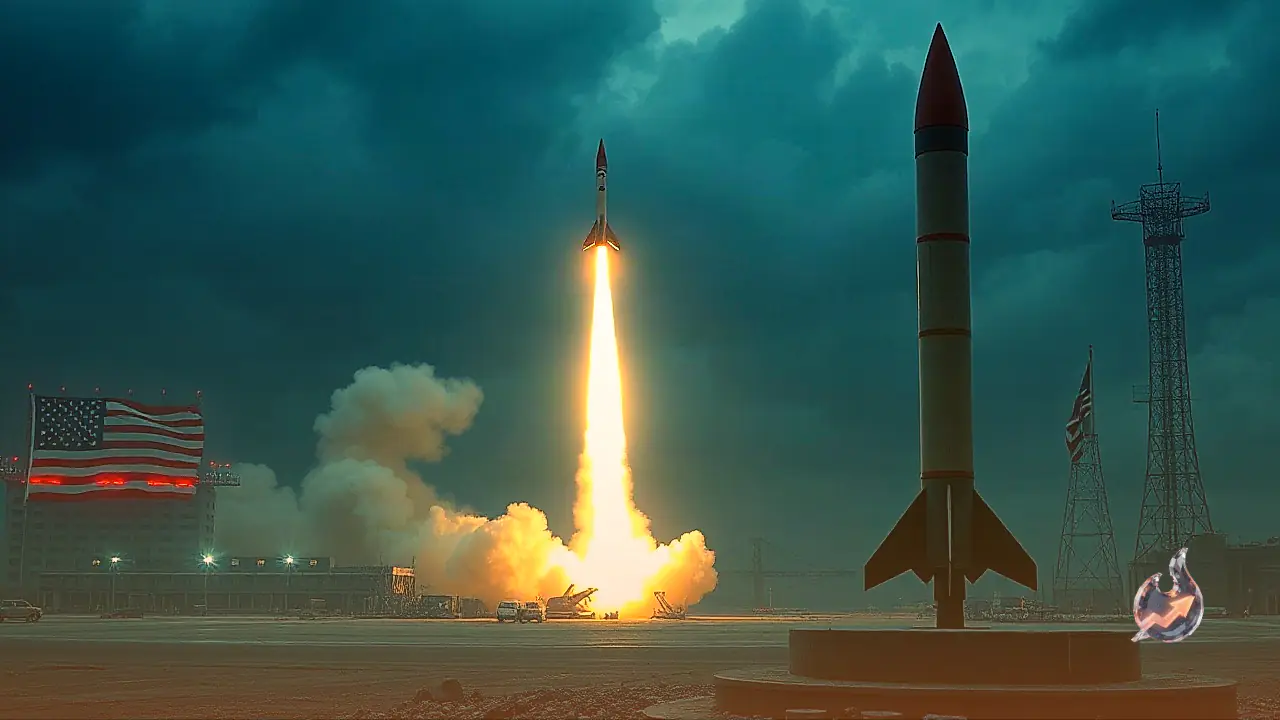
In conjunction with the closure, the naval branch of the IRGC issued a stern warning regarding any potential military escalation. They cautioned that if the United States attempts to use this blockage as a justification for further military aggression, the reaction from Iran will be swift and decisive. The IRGC explicitly stated that any retaliatory move by the United States would result in the targeting of additional enemy military installations across the region. Iran has further clarified that the ultimate responsibility for any consequences arising from this tense situation lies with the United States, Israel, and any nations currently hosting military bases used to facilitate operations against Iranian interests.
Diplomatic Efforts and Regional Context
This development unfolds amidst ongoing, albeit strained, efforts to lower tensions between the involved nations. Just recently, Iranian Foreign Minister Seyed Abbas Araghchi engaged in talks with his Omani counterpart, Seyed Badr Al-Busaidi, in Muscat. The discussions were centered on strengthening bilateral cooperation, addressing regional security, and specifically examining the maritime safety protocols within the Strait of Hormuz. Araghchi confirmed that these diplomatic exchanges aimed to enhance ties between Tehran and Muscat while reviewing broad regional developments. Despite these intermittent diplomatic channels, the sudden closure of such a vital transit point marks a significant escalation in the standoff between Iran and Western-aligned military forces in the Gulf region.