




















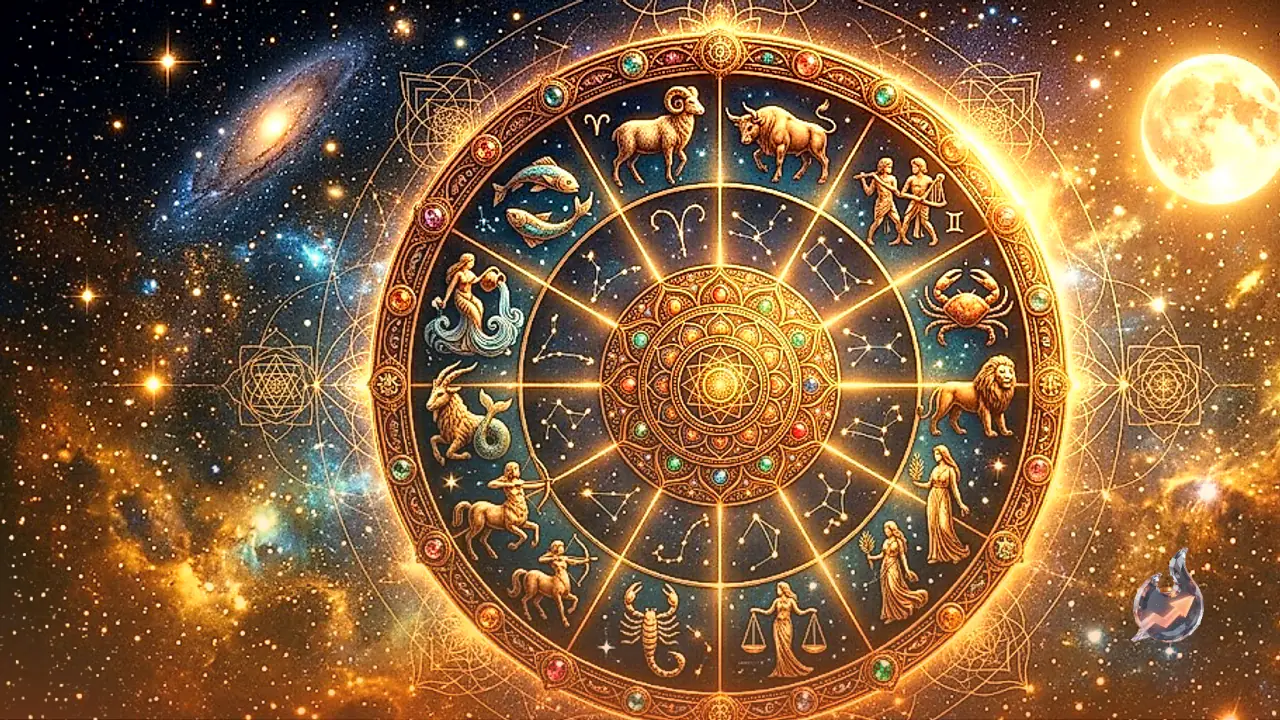
In Sanatan Dharma and traditional Vedic astrology, the alignment of planets and lunar mansions during a child's birth holds profound significance for shaping their personality and life journey. Among various celestial configurations, births occurring under the Sataisa Nakshatras, commonly known as Gandmool Nakshatras, frequently trigger anxiety and misconceptions among parents. Widespread superstitious beliefs often lead families to fear that a baby born under these signs might bring hardship to themselves or their relatives. However, experienced Vedic astrologers emphasize that these fears are unfounded and that timely ritual remedies can completely neutralize any unfavorable planetary influences while unlocking extraordinary potential.
Understanding the Six Gandmool Nakshatras and Their Astrological Significance
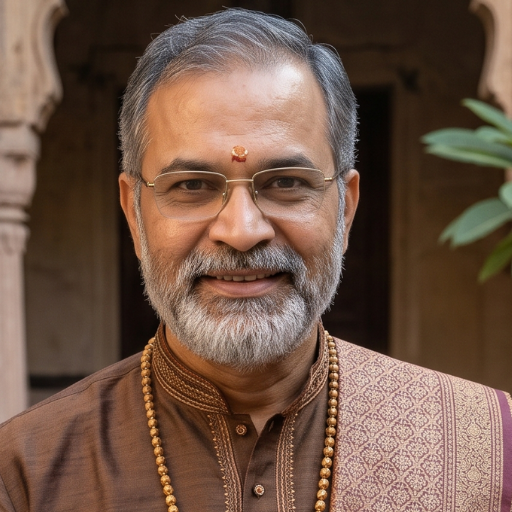
According to renowned Purnea based astrologer Pandit Dayanath Mishra, six out of the twenty seven nakshatras in Vedic astrology are classified under the Sataisa or Gandmool category. A birth taking place in any of these specific constellations leads to what is astrologically termed as Gandmool Dosha. The six designated nakshatras include
- Ashwini: The first constellation ruled by Ketu.
- Ashlesha: A constellation governed by Mercury.
- Magha: A lunar mansion influenced by Pitrus and Ketu.
- Jyeshtha: A constellation ruled by Indra and Mercury.
- Mula: The lunar mansion associated with Nirriti and Ketu.
- Revati: The final constellation governed by Pushan and Mercury.
Pandit Dayanath Mishra clarifies that being born under a Gandmool nakshatra is by no means a curse. Contrary to common myths, failing to perform remedies might only cause minor, temporary health or behavioral inconveniences for the child. Once the appropriate Shanti puja is conducted, the constellation transforms into an exceptionally powerful asset, bestowing high intellect, resilience, and renown.
Luminaries and World Leaders Born Under Sataisa Nakshatra
Astrological charts and historical records demonstrate that individuals born under Sataisa nakshatras often possess sharp intellect, exceptional leadership qualities, and commanding personalities. Numerous historic and modern icons who have shaped society were born under these exact constellations
- Goswami Tulsidas: The legendary author of the epic Ramcharitmanas.
- Pandit Jawaharlal Nehru: Independent India's first Prime Minister.
- Indira Gandhi: Former Prime Minister of India and visionary leader.
- Amitabh Bachchan: Legendary superstar of the Indian cinema.
- Sachin Tendulkar: Icon revered as the God of cricket.
- Aishwarya Rai: Internationally acclaimed personality.
The achievements of these distinguished figures serve as clear proof that children born under Gandmool nakshatras can reach the absolute pinnacle of success in their respective fields.
Procedure and Ideal Timing for the 27th Day Shanti Puja
To counteract potential astrological flaws and harmonize planetary energies, Vedic texts prescribe a dedicated Shanti puja along with ritualistic chanting. Pandit Dayanath Mishra states that the premier window for performing this ceremony occurs exactly on the 27th day following the child's birth. On the 27th day, the Moon completes its transit and returns to the identical nakshatra present at the time of birth, making it the most potent time for spiritual purification.
If parents are unable to organize the ritual on the exact 27th day due to practical constraints, a secondary provision allows them to conduct the Shanti puja at the earliest convenient date. Resolving the astrological dosha in a timely manner neutralizes negative tendencies, enabling the child to fully harness the powerful, auspicious energies of the constellation throughout their life.