






















When the mercury rises, every component of your car feels the strain, but the braking system takes the hardest hit. Each time you press the brakes while driving in intense heat, friction generates enormous amounts of heat inside the brake pads and discs. If that heat is not kept under control, the brakes can fail entirely, turning a routine drive into a catastrophic accident. Taking care of your brakes during the summer months is not just good car maintenance, it is a direct investment in your safety.
1. Brake Fluid Is the First Thing to Check
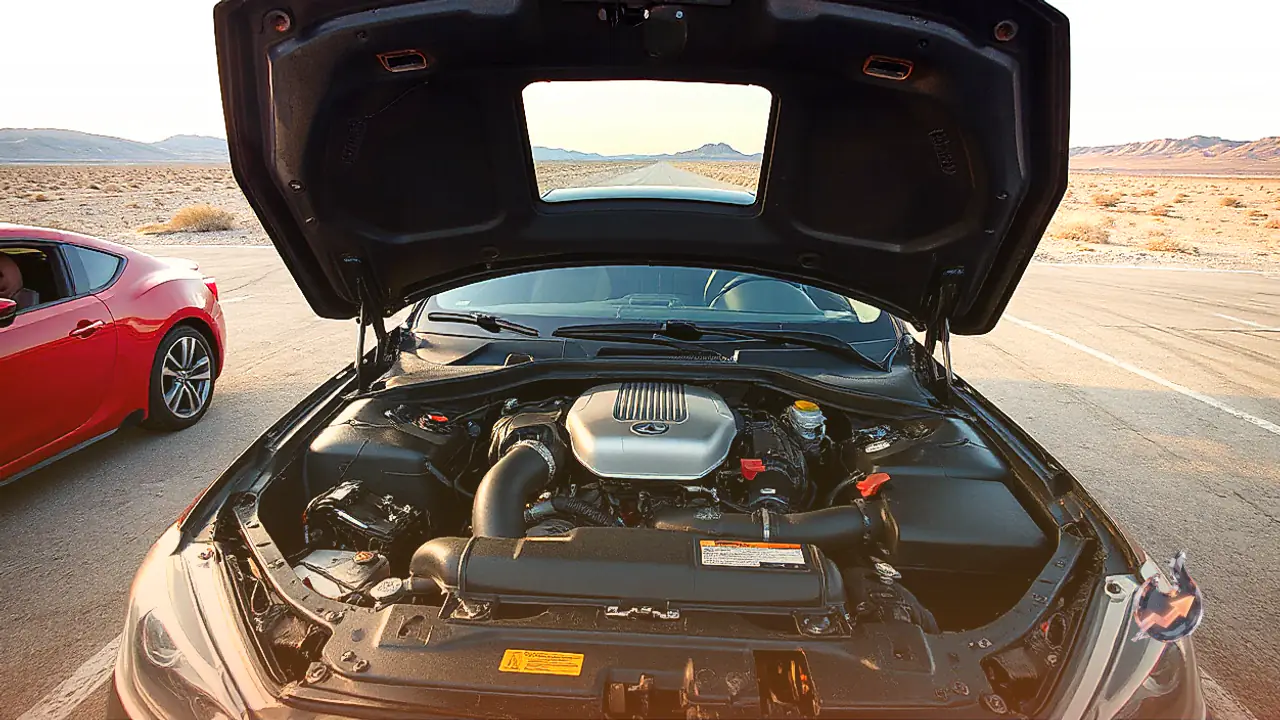
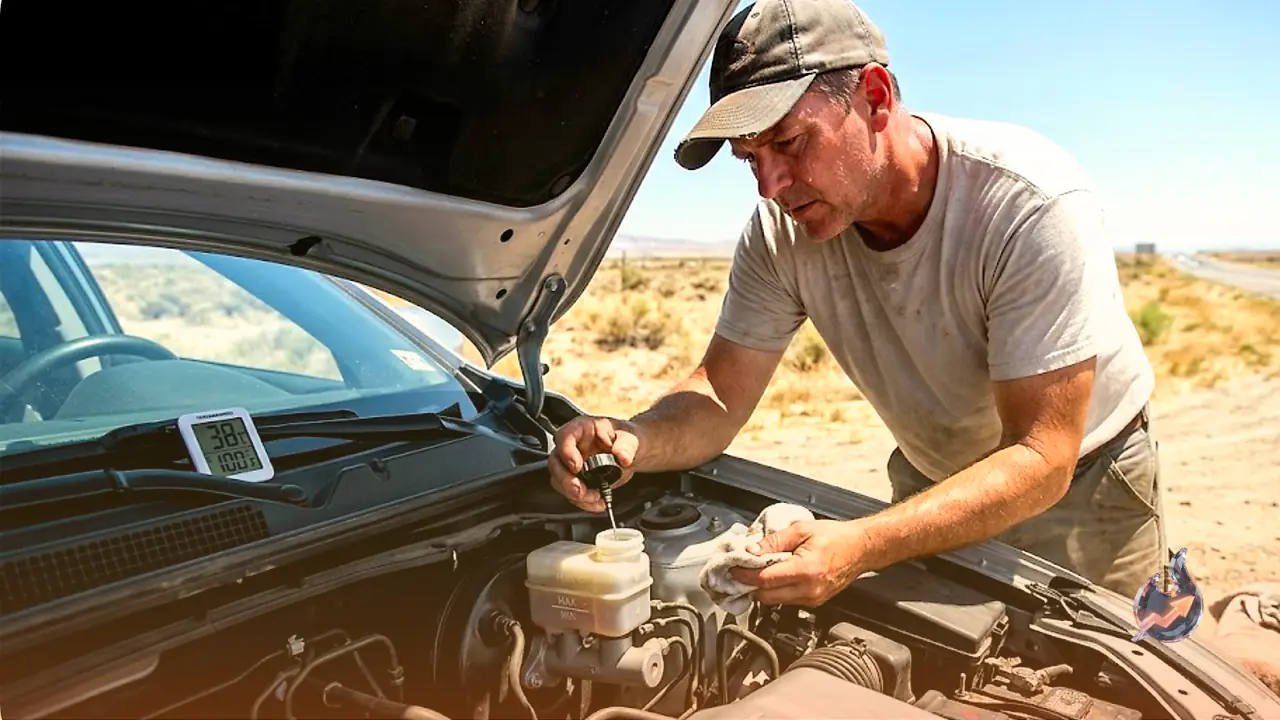
Brake fluid is the lifeblood of the entire braking system. During summer, its level can drop faster than usual, and old or degraded fluid significantly weakens braking performance. Make it a habit to open the bonnet and check the brake fluid reservoir once every month. If the fluid has turned dark or nearly black, get it replaced by a mechanic immediately rather than putting it off.
2. Know When Your Brake Pads Have Had Enough
Brake pads wear down gradually with repeated use, and summer heat speeds up that wear considerably. A squealing noise or a harsh metallic scraping sound every time you press the brakes is your car's way of telling you the pads are too thin to be safe. Replacing them at the right time also protects the brake disc from damage, which keeps repair costs from spiralling out of control.
3. Look for Cracks or Warping in the Rotors and Discs
Brake rotors and discs endure extremely high temperatures under the combined effect of summer heat and constant friction. In severe cases, they can develop hairline cracks or warp out of shape, both of which compromise braking ability. If you notice any vibration in the steering wheel or brake pedal when you press the brakes, do not ignore it. Get a mechanic to inspect the rotors without delay.
4. Change Your Driving Habits to Protect the Brakes
Riding the brakes continuously while descending a slope or crawling through heavy stop-and-go traffic causes the braking system to overheat. A smarter approach is to use engine braking by shifting to a lower gear when you need to slow the car down. Maintaining a safe following distance from the vehicle ahead also means you will rarely need to brake hard and suddenly, which is one of the quickest ways to damage brakes in hot weather.
5. A Pre-Season Service Is the Best Safeguard
Getting a full service done at the start of summer or before any long road trip is the most dependable way to keep the braking system in top shape. Ask your mechanic to grease the brake calipers and clean the entire system thoroughly. Bleeding the brake lines to remove any trapped air is equally important, as it restores full brake grip and responsiveness and makes every drive significantly safer.