



















Cinema history holds numerous accounts of productions that seemed doomed upon arrival, only to script spectacular turnarounds through perseverance and sheer conviction. A prime illustration from Hindi cinema is the 1967 spy drama featuring Jeetendra alongside Babita. Widely regarded as the breakthrough project that defined the leading man's mainstream career, the film initially endured an agonizing twelve-week drought where theatrical halls remained largely deserted and commercial prospects appeared entirely bleak.
Casting Dilemmas and Rejections by Major Stars
Before the project reached its eventual lead, the production team navigated considerable difficulty finding an actor willing to accept the role. The producers originally envisioned Feroz Khan in the central character. The production schedule required swift completion, compelling the directors to arrange nighttime filming sessions to meet tight deadlines. Feroz Khan maintained a strict policy against working during late night shifts, leading him to decline the assignment.
Seeking viable alternatives, the producers subsequently approached both Manoj Kumar and Shashi Kapoor. Talks with both performers failed to materialize into an agreement. It was only after these rejections that the script was presented to Jeetendra. At that junction, hardly anyone within trade circles anticipated that this passed-over opportunity would become the definitive milestone of his professional trajectory.
Creative Leadership and the Supporting Ensemble
The venture was mounted under the Vijay Lakshmi Pictures banner, financed by producers Sunderlal Nahata and Doondi. Direction was entrusted to Ravikant Nagaich, who took charge of both storytelling and camera work, serving as director and cinematographer simultaneously. This dual role granted the visual presentation a cohesive and modern photographic flair.
Beyond the chemistry between Jeetendra and Babita, the project drew significant depth from an extensive lineup of supporting actors. The narrative featured notable appearances by Sajjan, Agha, Rajendra Kaleshwar Rao, Nagesh, Mukri, Mohan Choti, David Abraham Cheulkar, and Aruna Irani, each contributing distinct color and balance to the unfolding thriller.
Acoustic Appeal and Shifting Budgetary Realities
A crucial factor behind the venture's eventual triumph was its musical architecture. The musical score was conceived by the celebrated duo Laxmikant-Pyarelal, complemented by lyrics penned by Anand Bakshi. The resulting melodies resonated with listeners, gradually building strong word of mouth that eventually drew patron interest.
Financial accounts reveal that initial production outlays hovered around approximately 8 lakh rupees. Later, when commercial momentum picked up and regional demand surged, fresh prints had to be struck for wider distribution. These logistical expansions pushed aggregate production expenditures to roughly 20 lakh rupees. Despite this rise in costs, the final theatrical run yielded gross collections of around 2.5 crore rupees, securing its position as a remarkable commercial victory.
A Lead Actor's Gamble Against Skeptical Exhibitors
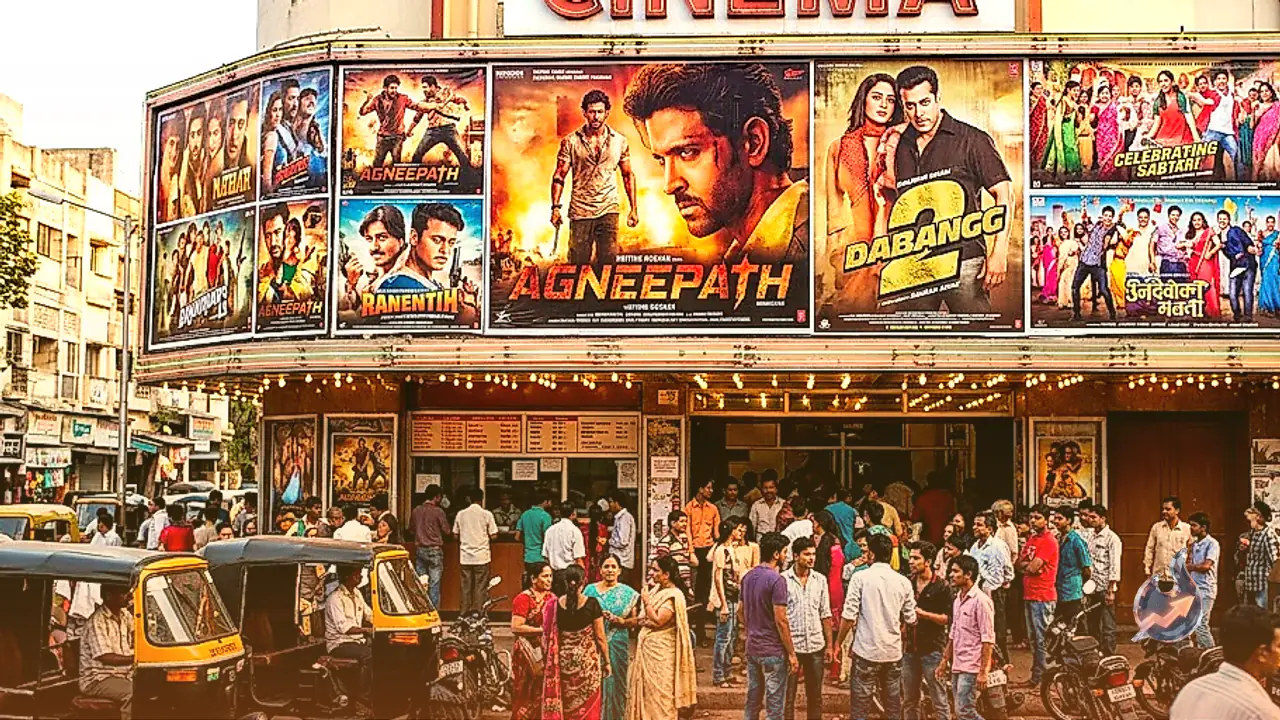
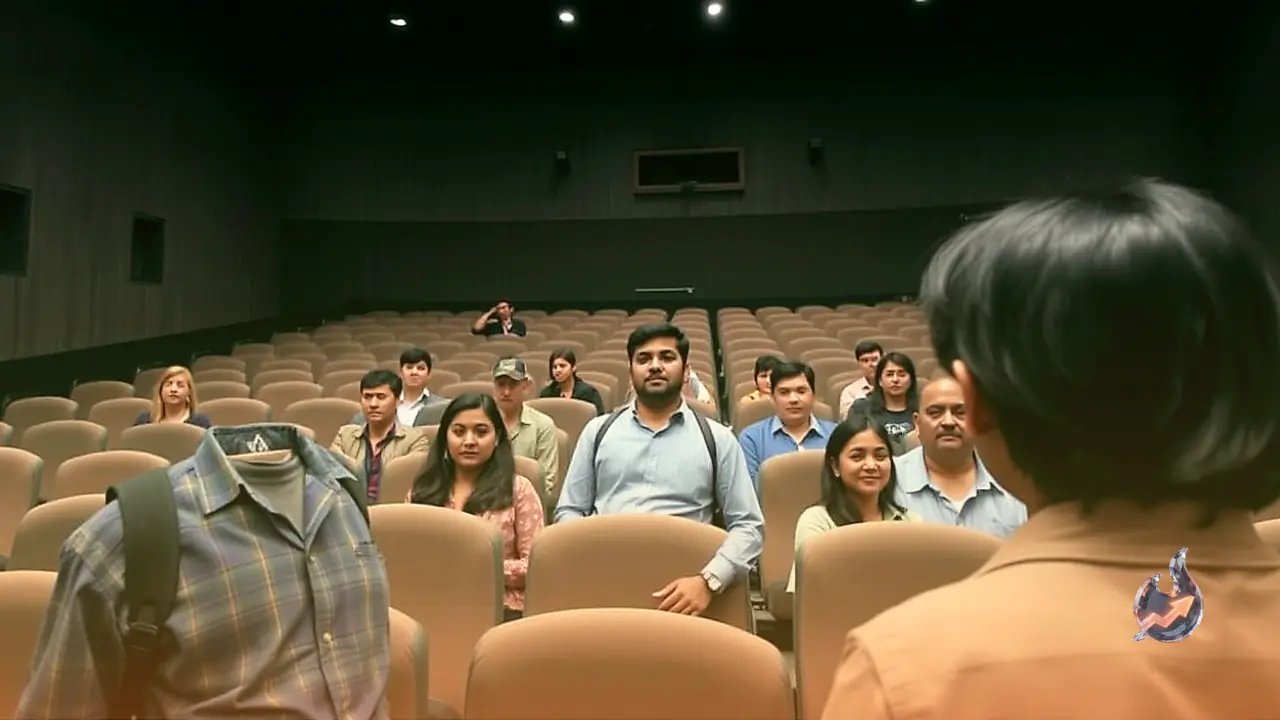
The journey toward profitability was fraught with acute friction. For the opening 12 weeks following its theatrical debut, ticket counters drew dismal crowds, leaving auditoriums virtually unattended. Confronted with sustained operational deficits, theater proprietors decided to pull the reels from exhibition.
Determined to save the production from premature burial, Jeetendra intervened directly with exhibitors, putting forward an unusual personal bargain. He persuaded operators to sustain screenings through at least 15 weeks. The actor promised that if attendance failed to improve by that mark, he would personally reimburse the exhibitors for any ticket revenue shortfalls. Persuaded by this commitment, theaters maintained the screening schedule. Remarkably, past the fifteenth week, audiences began flocking to the venues in droves, creating unprecedented ticket demand that mandated the printing of extra film copies and elevating the title into an unforgettable hit.