



















Ask any Hindi film fan about Kishore Kumar and the first things that come to mind are that unmistakable voice and infectious laugh, but behind that voice was a heart that never really settled into Mumbai's glitter. The film industry gave him money, stardom and identity, yet his roots stayed firmly planted in the lanes and soil of Khandwa, the small town in Madhya Pradesh he called home.
A bond with his hometown that never faded
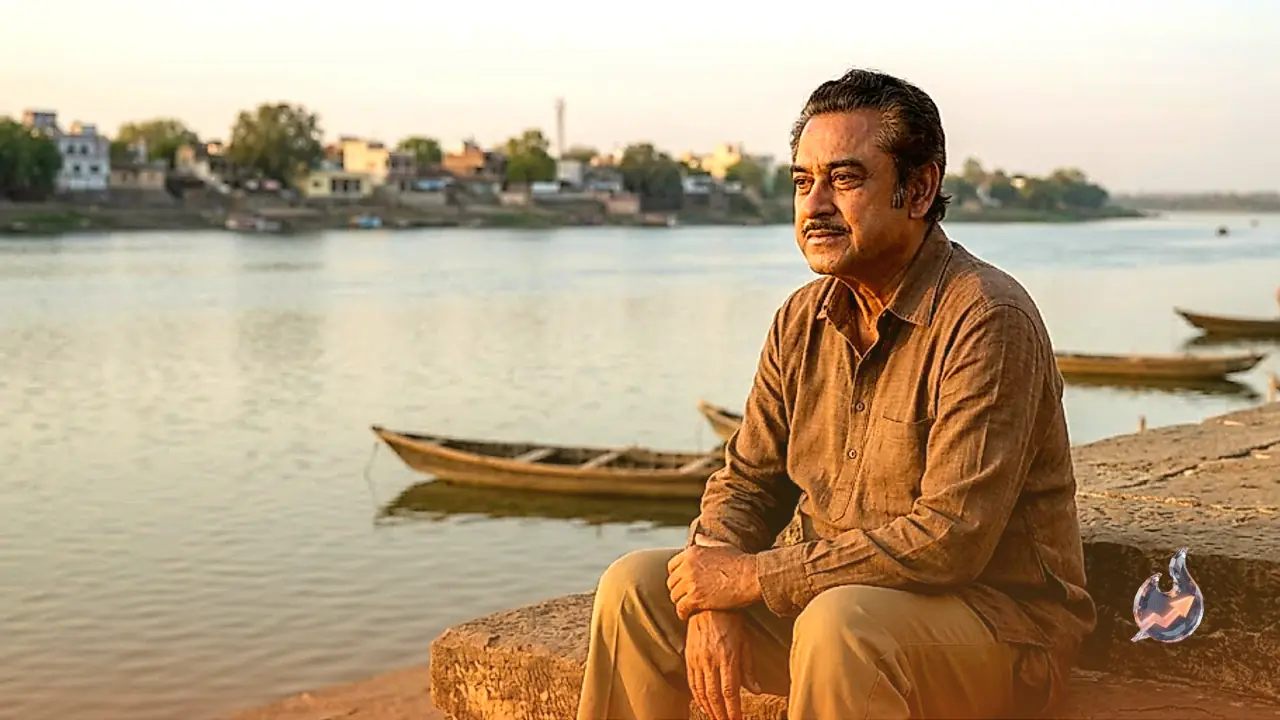
Kishore Kumar was born in Khandwa on 4 August 1929. Mumbai eventually became his workplace, but his real attachment always stayed with his birthplace. He was often heard saying that he had no real friends in Mumbai and that it wasn't a city where he could trust anyone blindly. Whenever the grind of fame and the city's noise wore him down, he would grow restless to return to the old streets of Khandwa. For him, a trip to Khandwa wasn't a star's visit, it felt like a child returning to his mother's lap.
He wanted to settle down there, and his final rites happened there too
Kishore Kumar used to say that one day he would go back to Khandwa, eat doodh jalebi, and settle down for good. After moving to Mumbai he kept visiting Khandwa often, but the busyness of life meant that wish to properly settle there never came true while he was alive. In a way, fate granted him that wish anyway, because his final rites were carried out in the city of Khandwa itself.
Gaurikunj: a home full of memories, now in ruins
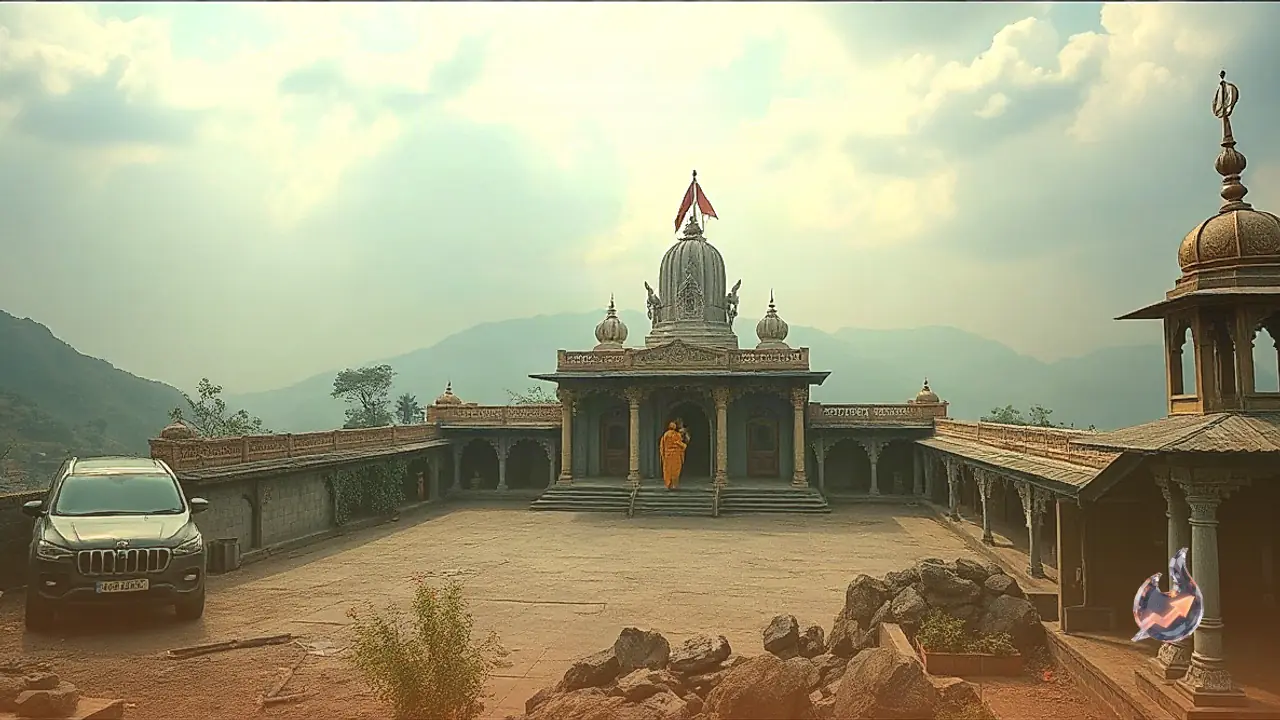
Whenever he visited Khandwa, Kishore Kumar would spend hours chatting with his friends in the town's lanes and enjoy doodh jalebi at his favourite shop. That is why, even today, fans offer doodh jalebi at his memorial on his birth anniversary and death anniversary. His ancestral house in Khandwa, Gaurikunj, stands as a witness to those memories, but the house today is in a completely dilapidated state. Some people are reportedly trying to take advantage of its condition to encroach on the property. Yet even with Gaurikunj battered by time, Khandwa's air still seems to carry the echo of Kishore Da's carefree, quirky laughter.
The meeting with K.L. Saigal that shaped his journey
As a child, Kishore Kumar was a huge admirer of the celebrated singer K.L. Saigal and wanted to meet him at any cost. That meeting finally became possible thanks to his elder brother Ashok Kumar, who by then was already an established, well-known actor in the Mumbai film industry. Ashok Kumar arranged the introduction between Kishore Kumar and K.L. Saigal. Kishore Kumar went on to work such magic in the world of playback singing that, decades later, people are still compelled to sway the moment they hear his voice.
The yodelling that gave him his unique identity
Kishore Da's most distinctive and unique trademark was his yodelling, in which he would suddenly shift the pitch of his voice mid-song. When he sang, it felt less like performance and more like he was expressing his emotions directly through words and notes. He mastered songs across every mood and every genre. He sang in several Indian languages and turned listeners of every language into his admirers.
Khandwa still holds his memories today
Even decades later, Kishore Kumar's name is tied as much to Mumbai's glittering film world as it is to the soil of Khandwa. His yodelling, his love for doodh jalebi, and the memories tied to Gaurikunj still keep him rooted as Khandwa's own son.