

















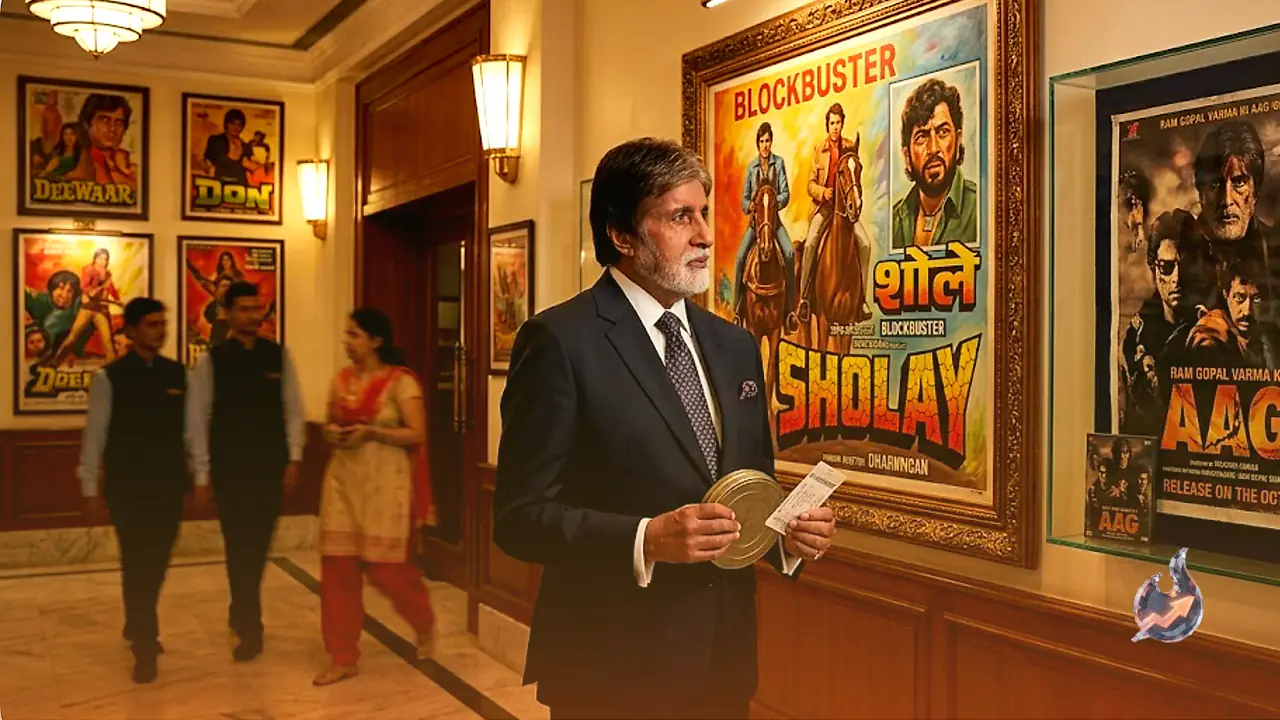

Bollywood has produced countless remakes, but few carry a contrast as dramatic as the one between Sholay and Ram Gopal Varma Ki Aag. The same source story was brought to the screen 32 years apart, with the same leading man in both films. The first rewrote the history of Indian cinema. The second became a byword for disaster, leaving theaters empty and distributors bankrupt from its opening day onwards.
Sholay, 1975: The Film That Redefined Indian Cinema
Director Ramesh Sippy brought Sholay to cinemas on August 15, 1975, and the film immediately set about dismantling box office records. Its story revolved around two petty criminals, Jai and Veeru, who take on the fearsome dacoit Gabbar Singh to help a retired Thakur. Amitabh Bachchan's portrayal of Jai was a revelation: quiet, composed, and deeply loyal, a man whose friendship was expressed not in words but in sacrifice. The famous mouth organ scenes, and ultimately his decision to give his life for his companion, turned Jai into one of the most beloved characters in Hindi film history. The role strengthened Amitabh Bachchan's standing as the Angry Young Man of Bollywood and placed him firmly at the top of the industry.
Made on a budget of roughly 3 crore rupees, Sholay earned approximately 15 crore at the Indian box office during its theatrical run and its total gross collection climbed past 35 crore. At several cinemas the film played continuously for five years. Sholay remains one of the all-time blockbusters in Bollywood history.
Ram Gopal Varma Ki Aag, 2007: The Remake That Became a Cautionary Tale
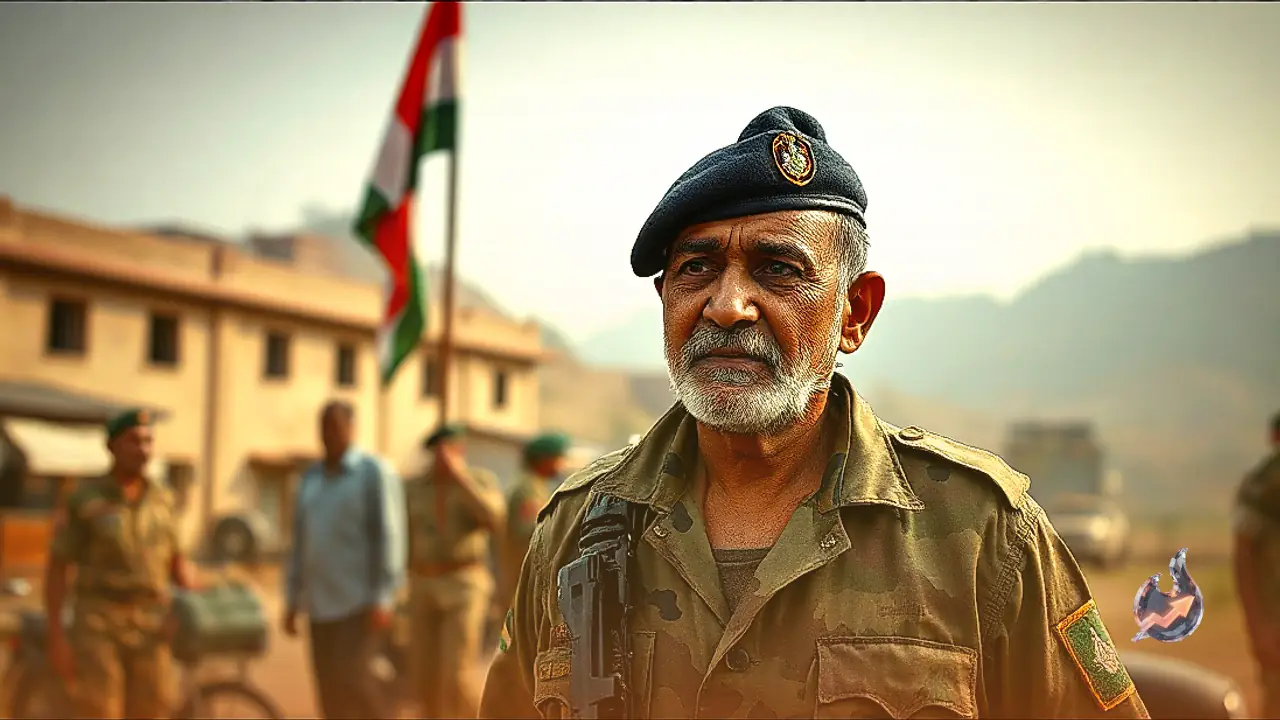
Exactly 32 years after Sholay, director Ram Gopal Varma lifted the same story and brought it back to the screen with a harder, more contemporary sensibility. He replaced the village of Ramgarh with the gritty backdrop of the Mumbai underworld and dense jungles. Ajay Devgan and Prashant Raj played the two scheming thieves, while Mohanlal portrayed the one-armed police officer. The broad plot was identical: two criminals strike a deal to track down and capture a crazed gangster.
The most striking element of the film was the decision to cast Amitabh Bachchan not as the hero but as Babban Singh, a reimagined version of Gabbar Singh from the original. The man who had once played the gentle, self-sacrificing Jai was now stepping into the shoes of the story's most feared antagonist.
Why Aag Failed Where Sholay Had Triumphed
Audiences found it almost impossible to reconcile the Amitabh Bachchan they knew from Sholay with what they saw on screen in Aag. His exaggerated eye movements, repeated tongue-wagging, and broadly played performance failed entirely to land. The mental image of Jai, the warm and quietly heroic friend, clashed too strongly with the sight of the same actor playing a psychotic villain in the very same story.
The direction and screenplay compounded the problem at every turn. Critics were unsparing, with many calling Ram Gopal Varma Ki Aag the single worst remake in Bollywood history. Despite the heavy budget and the assembled star cast, the film fell completely flat on its opening day. Theaters sat in near-silence, distributors suffered heavy losses, and the trade passed its verdict without hesitation: disaster.