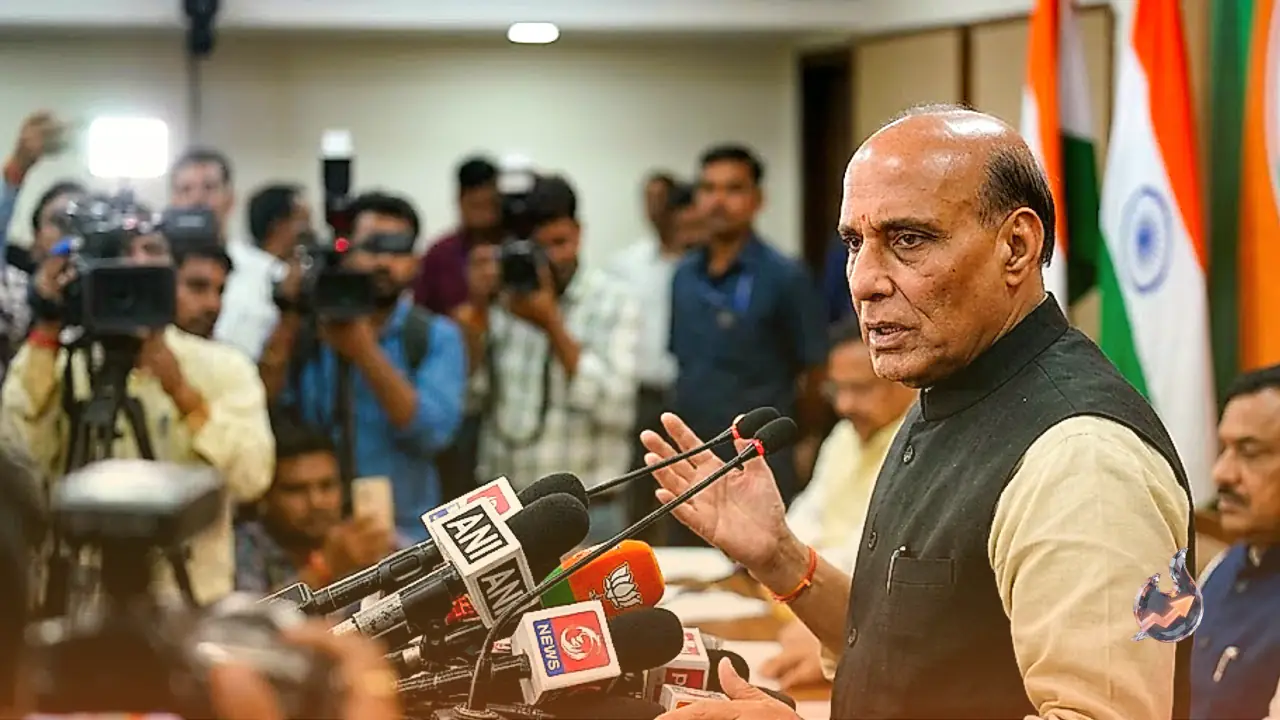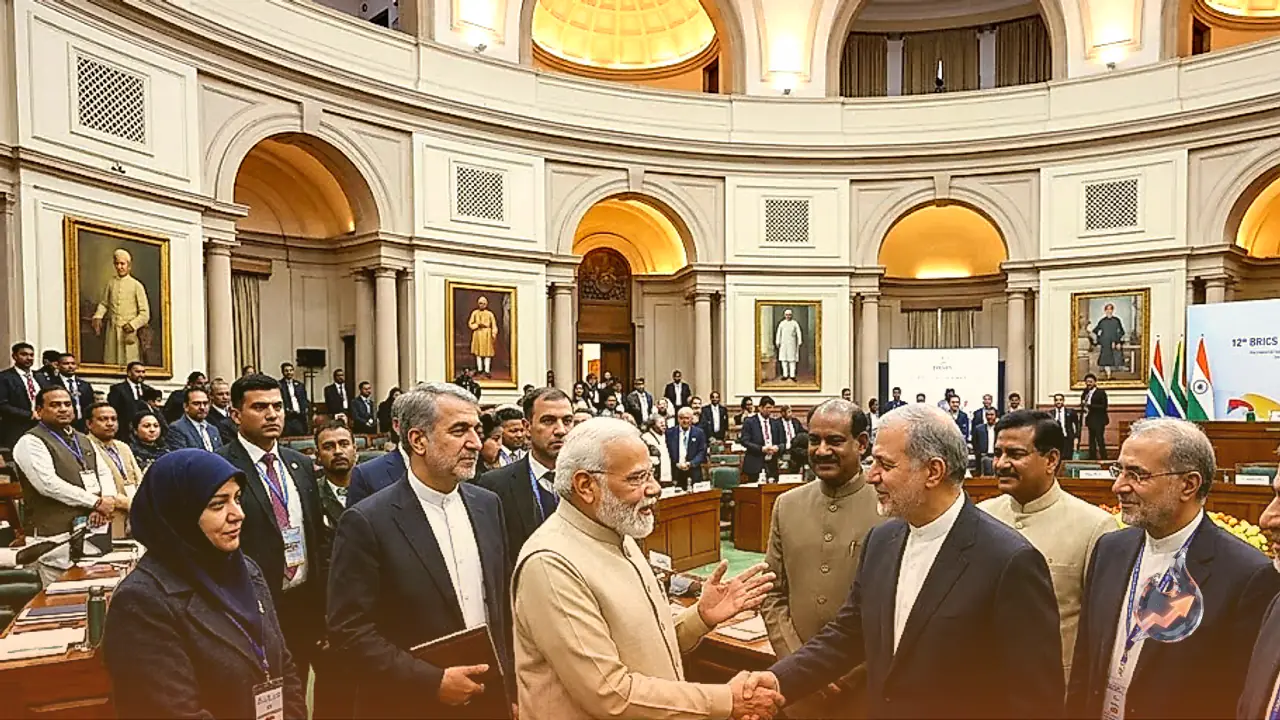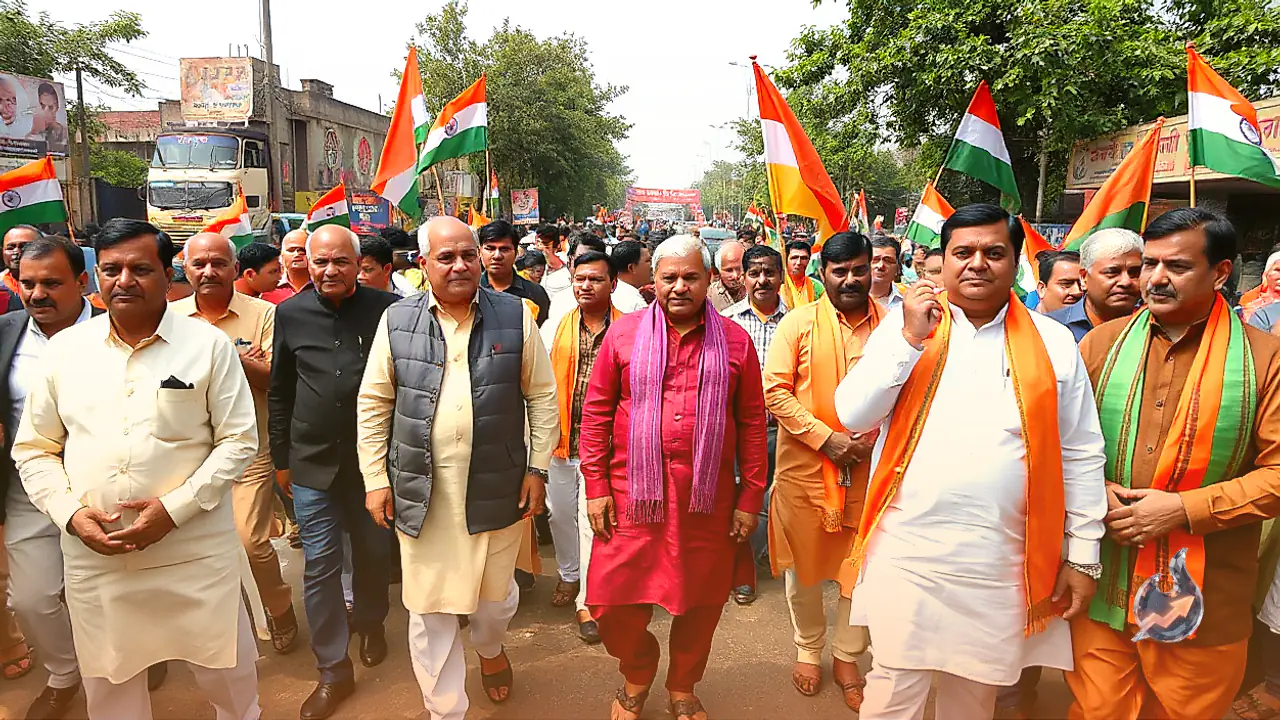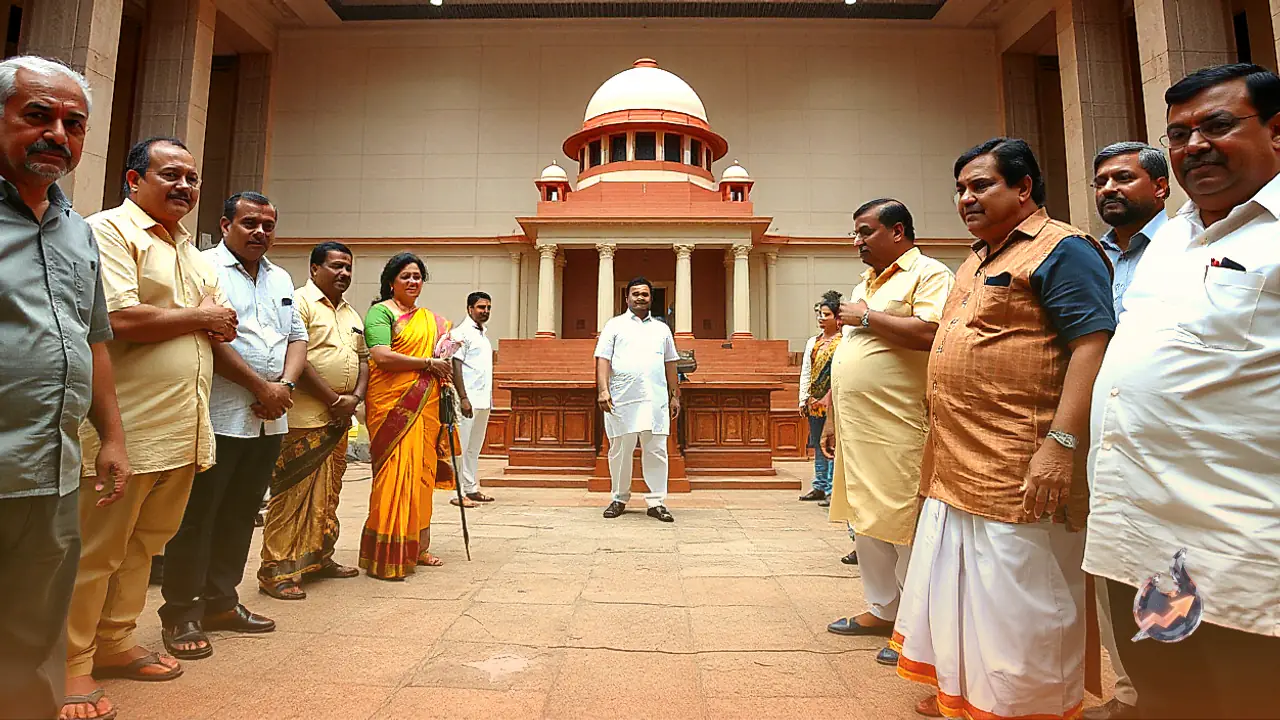




















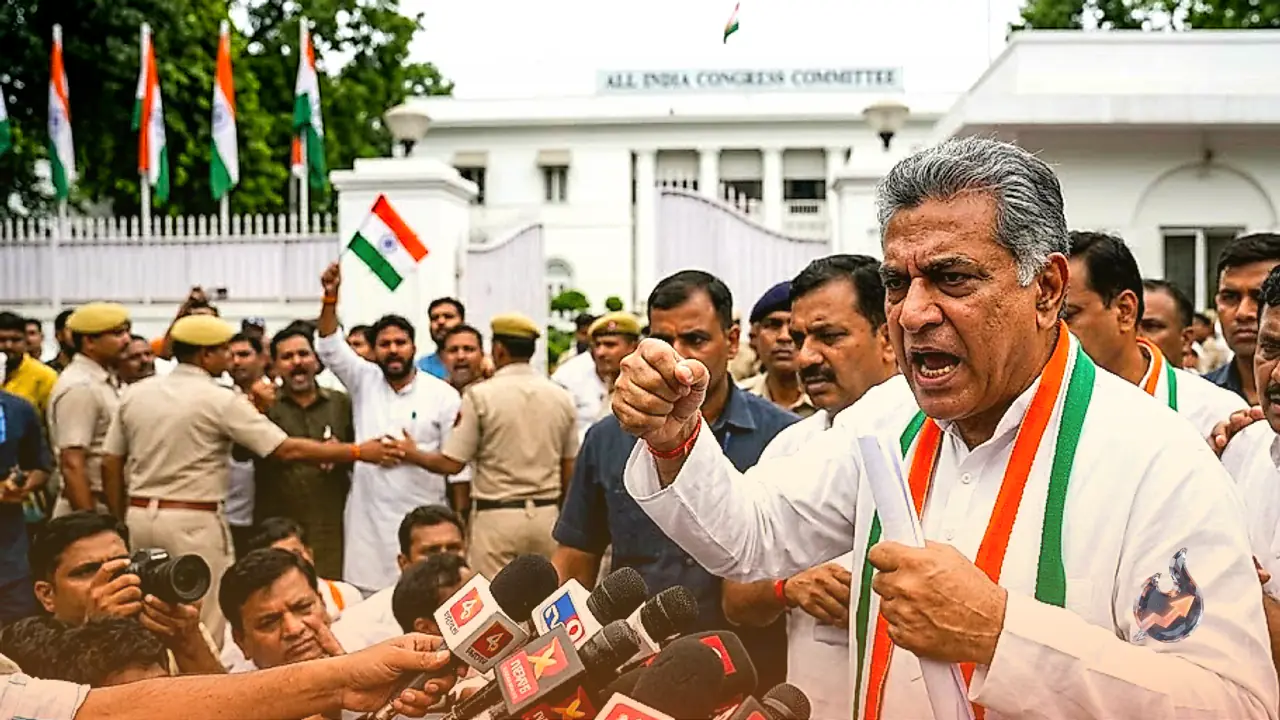

A high-voltage political controversy has erupted following the 80th Independence Day celebrations at the Congress headquarters in New Delhi, centered around the recitation of the national song Vande Mataram. The broadcast of video footage depicting interactions and movements among top party leaders during the formal recital prompted immediate condemnation from the Bharatiya Janata Party, which characterized the conduct as disrespectful to national symbols. While the Congress party issued a detailed clarification framing the incident as an act of personal consideration for an elderly leader, the dispute has highlighted stringent legal provisions under recently updated national honour legislation.
Unpacking the Incident at the Flag Hoisting Ceremony
The controversy originated during the official Independence Day flag unfurling event held at the Congress party headquarters. Following the raising of the national flag, attendees assembled for the traditional singing of Vande Mataram. During the recital, camera footage captured movement and visible interaction among senior figures present on stage, including Sonia Gandhi, Mallikarjun Kharge, and Rahul Gandhi. Sonia Gandhi was observed speaking to colleagues and shifting her position while the song was underway.
As the video clips spread across digital platforms, political opponents seized upon the imagery, alleging that standard decorum and the mandatory standing posture required during national recitations were breached. The rapid dissemination of the footage transformed a routine ceremonial gathering into a central point of national political debate.
Congress Clarifies Stance Citing Kharge's Health and Heat
Seeking to quell the rising criticism, Congress MP Tariq Anwar offered an official explanation regarding the events on stage. He firmly rejected any suggestion of intentional disrespect toward Vande Mataram, explaining that the interaction was prompted entirely by concern for party president Mallikarjun Kharge. Anwar noted that Kharge had been standing directly under harsh sunlight and extreme heat for approximately 15 minutes during the outdoor proceedings.
Highlighting Kharge's advanced age and the physical strain of remaining standing, Anwar stated that Sonia Gandhi was simply trying to arrange a seat for him. Explaining the context, Tariq Anwar stated, “There was no dispute regarding Vande Mataram, Sonia Gandhi merely wanted to fetch a chair for Mallikarjun Kharge due to his age and the intense heat.” He maintained that an ordinary gesture of courtesy and administrative accommodation was being deliberately exaggerated by political rivals for strategic advantage.
BJP Mounts Sharp Attack Questioning Intent and Conduct
The explanation offered by the Congress leadership failed to satisfy the Bharatiya Janata Party, which escalated its verbal assault. BJP national spokesperson Pradeep Bhandari cited the facial expressions of top leaders and statements made by other Congress figures, such as MP Manoj Kumar, to argue that the party's account was inconsistent with the visual evidence.
Challenging the defense, Pradeep Bhandari questioned, “If it was only about a chair, why were the facial expressions of Sonia Gandhi and Rahul Gandhi filled with so much anger?” Bhandari further criticized internal suggestions that full renditions of the national song need not be performed on every occasion. He asserted that the current party leadership has departed from its historical traditions, accusing it of adopting an aggressive stance that undermines long-standing national protocols.
Legal Framework Under the 2026 National Honour Amendment Act
The ongoing political clash gains added significance due to recent statutory changes enacted by Parliament. Under the Prevention of Insults to National Honour (Amendment) Act, 2026, the national song Vande Mataram has been accorded explicit legal protection equivalent to that of the national anthem Jana Gana Mana. The law makes it a specific criminal offense to deliberately interrupt, prevent, or disrupt the singing of the national song during formal assemblies.
Individuals found guilty of intentionally causing disturbance or impeding the performance of Vande Mataram face stringent penal consequences, including imprisonment for up to 3 years, a fine, or both. Furthermore, revised operational directives issued by the Ministry of Home Affairs mandate that in ceremonies where both the national song and national anthem are performed, Vande Mataram must be rendered first, during which all participants are legally required to maintain a strictly attentive standing posture.
Home Ministry Directives and Potential Judicial Scrutiny
With political tension showing no signs of abating, legal commentators are evaluating whether the incident could lead to formal law enforcement filings or judicial scrutiny. Under existing statutes, any citizen or political organization can lodge a police complaint or file a petition if a national song is perceived to have been willfully disrupted during a public function.
Should a formal complaint or Public Interest Litigation proceed to court, judicial authorities would be tasked with determining whether the actions depicted in the video evidence reflected a deliberate attempt to obstruct the recital or merely represented a momentary breakdown in event management coordination. As the central administration enforces strict compliance regarding national symbols during the country's 80th year of independence, this political dispute could potentially progress into formal legal proceedings.