
The relationship between the United States government and the nation's leading technology firms has undergone a profound transformation. Commerce Department officials and unsealed court documents reveal that federal authorities have shifted away from traditional metrics of economic competitiveness toward direct financial stakes and aggressive intervention in corporate governance. According to internal records from a federal lawsuit, a Commerce Department lawyer warned Intel Corporation's chief financial officer that the White House expected a deal on specific terms without leaving room for negotiation.
During communications in August 2025, Intel's board of directors was informed that rejecting the administration's proposal would carry unpredictable consequences. Facing immense pressure, the company ultimately accepted the terms. Donald Trump announced on his social platform that the United States government had acquired a full 10 percent ownership stake in Intel valued at approximately $11 billion without making any financial payment, calling it a major victory for the country.
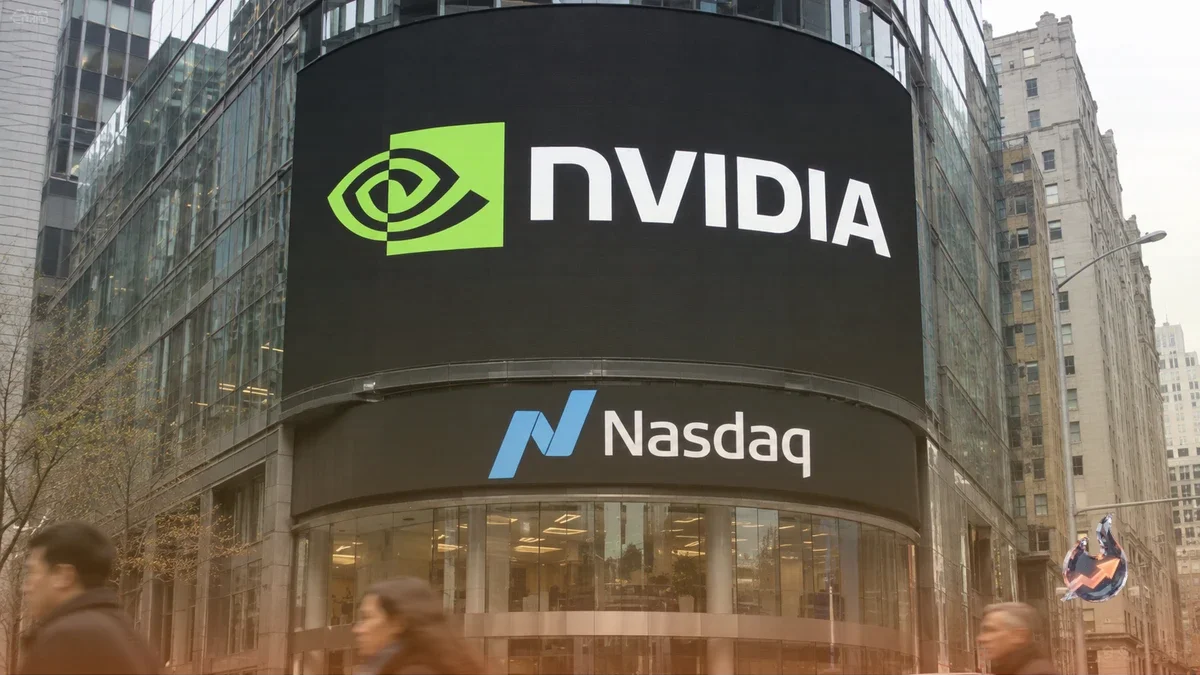
Similar government intervention occurred in the affairs of Nvidia. The administration announced that it had persuaded Nvidia's board of directors to reinstate chief executive Jensen Huang following a brief leadership dispute. These parallel developments highlight an unprecedented fusion of public office and private enterprise, as documented in shareholder lawsuits challenging the board's compliance with executive demands.
Legal experts and policy analysts have criticized these developments as heavy-handed coercion. Scott Lincicome, a vice president at the Cato Institute, noted that companies are forced to make strategic decisions based on political demands rather than the best long-term interests of their shareholders. When applied to the world's most innovative technology firms, which hold immense importance for national security and economic stability, this dynamic presents significant risks.
Intel had previously secured up to $11 billion in government grants and contracts under the Biden administration's CHIPS Act, designed to strengthen domestic semiconductor manufacturing. However, by March 2025, after receiving about $2.2 billion of the allocated funds, President Trump criticized the legislation and suspended the remaining disbursements while demanding a renegotiation of the original agreements.
Around the same time, Lip-Bu Tan assumed leadership as Intel's chief executive. His past investments in Chinese technology firms quickly drew scrutiny from the administration. Although Tan was never personally charged with any wrongdoing, his former firm, Cadence Design Systems, had previously admitted to violating U.S. sanctions and paid substantial fines. Following public criticism from the president, Tan visited the Oval Office in August 2025 to address concerns regarding his background.
During a meeting with top administration officials, Tan proposed divesting his Chinese holdings and placing the proceeds into a blind trust. While the discussion initially focused on clearing his regulatory hurdles, the administration subsequently insisted on acquiring an equity stake in the company. Legal filings indicate that the administration agreed to release $8.9 billion in previously frozen government grants in exchange for a tenth of Intel's stock.
Although Intel's board initially considered the economic terms unfavorable, they ultimately moved forward with the agreement. Commerce Secretary Howard Lutnick and Tan later appeared together in a public video confirming the arrangement. Shortly thereafter, Nvidia invested $5 billion in Intel, further intertwining the financial interests of these major semiconductor giants with federal policy.
At the same time, the administration engaged in separate negotiations regarding Nvidia's product sales to international markets. Reports indicated agreements involving specific percentage fees on advanced semiconductor models sold abroad. While shareholders filed lawsuits challenging these arrangements as unlawful surcharges, company legal representatives maintained that their actions complied fully with federal regulations.
Corporate governance tensions also surfaced at Nvidia when board chairman Harvey Jones announced that Jensen Huang would not be reinstated due to personal conduct disclosures. However, following pressure from top administration officials, the company reversed course and reached an agreement to bring Huang back. Addressing employees after his return, Huang emphasized that the company remains entirely focused on business operations and maintains an apolitical environment.