




















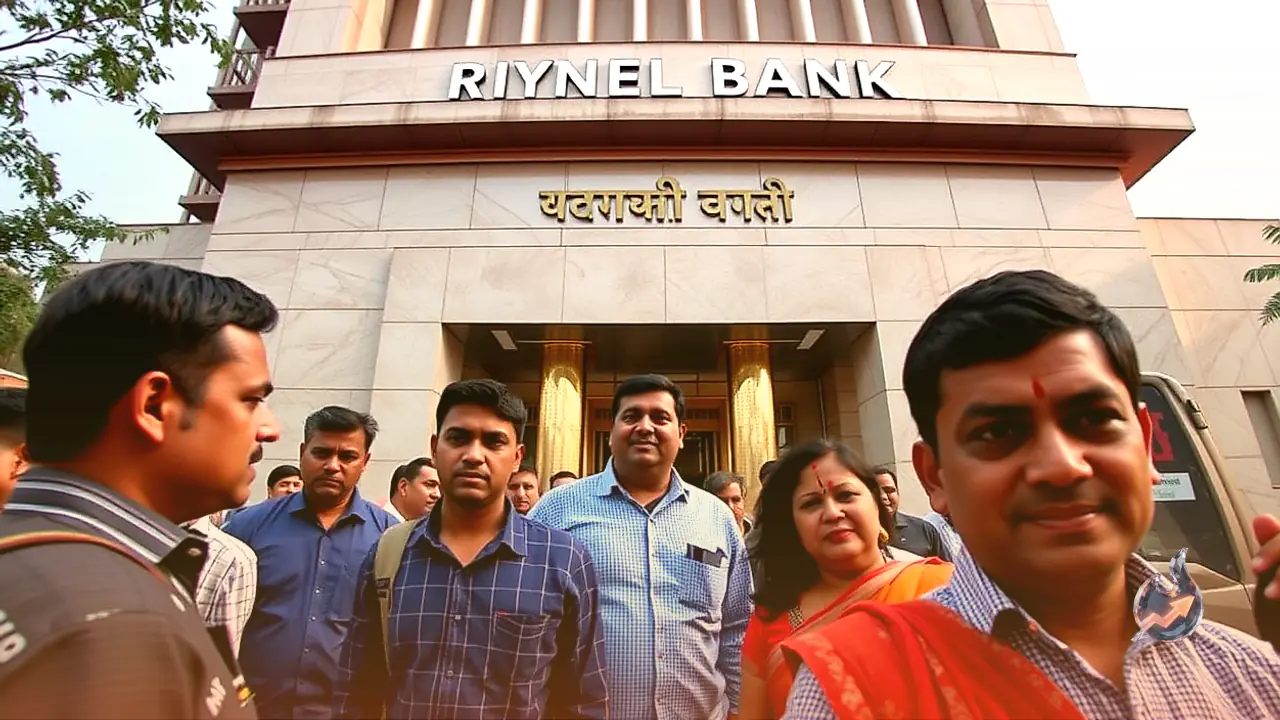

Borrowers across the country are bracing for higher interest expenses after the central bank initiated a fresh round of monetary tightening following an extended pause. The Reserve Bank of India announced a 0.25 percent increase in the benchmark repo rate on Wednesday, lifting the key policy lending rate from 5.25 percent to 5.50 percent. This rate adjustment marks the first time in nearly four years that the monetary authority has raised the repo rate, a decision driven by prevailing inflation levels that will directly translate into costlier retail and corporate loans across the banking sector.
The Longest Pause Ends After the February 2023 Action
Looking at the trajectory of policy adjustments, the central bank had previously increased the repo rate by 0.25 percent back in February 2023, which had taken the rate to 6.50 percent. Following that move, monetary policy remained in a prolonged period without rate hikes until this week's announcement. Market economists note that the latest decision represents a sharp transition in stance, with the monetary policy committee responding firmly to domestic price pressures while setting the stage for potentially more stringent interventions in subsequent review meetings.
SBI Economists Anticipate a Sharper Move in December
According to economic analysts at the State Bank of India, the central bank may implement a more aggressive 0.50 percent repo rate increase during its upcoming monetary policy meeting scheduled for December. Economists at SBI observed that coupling the current 0.25 percent rate rise with a deliberate shift in policy stance toward calibrated tightening offers an unmistakable signal about the future trajectory of borrowing costs. The monetary authorities appear determined to curb persistent price pressures, meaning financial institutions will likely see their cost of funds increase considerably before the year ends.
Global Economic Turbulence Deepens Policy Challenges
The SBI report highlights that rising inflation trends provide compelling justification for a sharp 0.50 percent hike in the December meeting, though the final course of action will hinge on prevailing international conditions at that time. SBI analysts caution that global economic conditions are likely to become increasingly unstable and volatile in the months ahead. Under such an unsettled international environment, raising the benchmark rate from the current 5.50 percent level to 6.00 percent would represent a safer and more pragmatic strategy to protect economic stability.
Analyst Expectations and the Push for a Clear AI Policy
Prior to Wednesday's monetary policy outcome, market economists had widely anticipated that the central bank would likely execute two separate 0.25 percent rate hikes across the October and December sessions. In addition to policy rate projections, the SBI report placed considerable emphasis on developing a comprehensive AI framework to provide structural support for the domestic currency. The report suggests that establishing a clear policy on artificial intelligence could play a significant role in accelerating foreign capital inflows into the country, thereby strengthening the Indian rupee against global volatility.