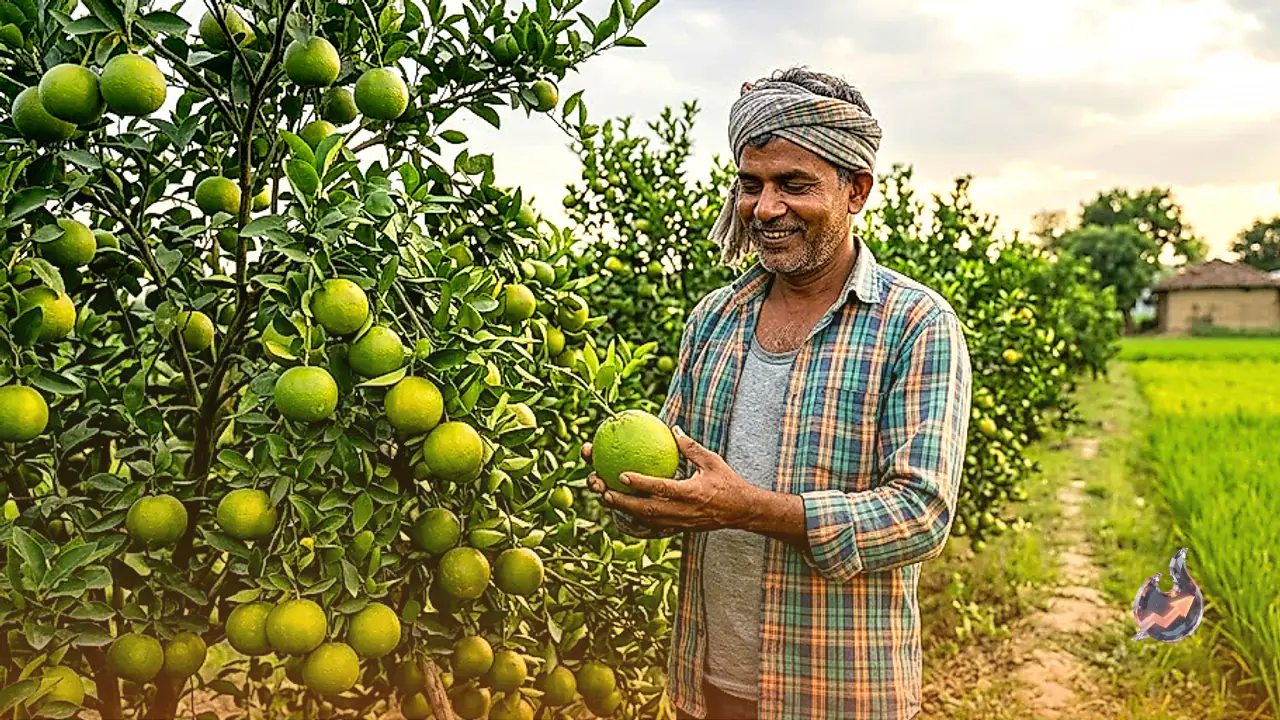
























Farmers in the Lakhimpur Kheri district are rapidly shifting their focus from traditional agricultural practices toward more lucrative cash crops. A notable success story has emerged from the Mohammadi tehsil, where a local farmer named Nathu Lal Shukla has successfully adopted dragon fruit cultivation, creating a path for sustainable and high financial returns. His journey highlights how diversifying into high-demand crops can significantly improve a farmer's economic standing.
A Sustainable Long-Term Investment
According to Nathu Lal Shukla, dragon fruit is a highly nutritious commodity that consistently commands strong demand in the marketplace. The fruit is rich in essential vitamins, fiber, and antioxidants, making it a sought-after choice for health-conscious consumers. This strong market preference ensures that growers receive premium prices for their harvests.
The most compelling feature of dragon fruit farming is its longevity. Once the plants are established correctly, the crop provides consistent yields for approximately 25 years. This eliminates the need for the repetitive labor of replanting or bearing the recurring costs associated with starting a new crop every season. By combining modern agricultural techniques with consistent plant maintenance, farmers can secure a reliable income stream with minimal ongoing investment. With proper irrigation, nutrient management, and timely care, the harvest yield can be significantly optimized.
Support and Expansion of the Crop
Recognizing the growing interest among local cultivators, the Horticulture Department is actively promoting dragon fruit farming through consistent awareness campaigns. The department provides technical guidance and support to farmers to ensure the best agricultural practices are followed. Furthermore, the department is offering subsidies to those who engage in this type of cultivation, significantly reducing the initial financial barriers for farmers interested in diversifying their farms.
Currently, the market price for dragon fruit ranges from ₹300 to ₹500 per kilogram, making it a highly profitable venture. Another critical advantage is the plant's resilience; it experiences fewer issues with pest infestations compared to traditional crops, which helps minimize potential losses for farmers. Inspired by the results achieved by Nathu Lal Shukla, many other farmers in Lakhimpur Kheri are now turning their attention toward this profitable and sustainable alternative.