






















With the arrival of the monsoon, farmers in Balaghat and across the region have returned to their fields, carrying high hopes for the new harvest. This time of year is regarded as a new beginning, filled with expectations of a better life. However, one of the most persistent hurdles farmers face is protecting their growing crops from wild animals and stray cattle. To safeguard their produce, many resort to installing wire fencing; however, such measures are not only financially burdensome but can also cause severe injuries to animals. Seeking a more efficient approach, Anil Nikhate from the Horticulture Department has provided professional guidance on how farmers can secure their fields effectively and profitably.
The Advantages of Natural Barriers
Investing in metal wire fencing is often both expensive and dangerous. Beyond the high installation costs, such fencing poses a risk of wounding animals, which can lead to severe infections. Instead, agricultural experts suggest turning to natural, thorny shrubs to form a living barrier. This approach is highly cost-effective and provides a humane way to deter cattle. Unlike metal wires, if an animal accidentally brushes against these natural thorns, the resulting minor scratches heal quickly, causing no lasting harm or health risks to the livestock.
Top Tree Recommendations for Fencing
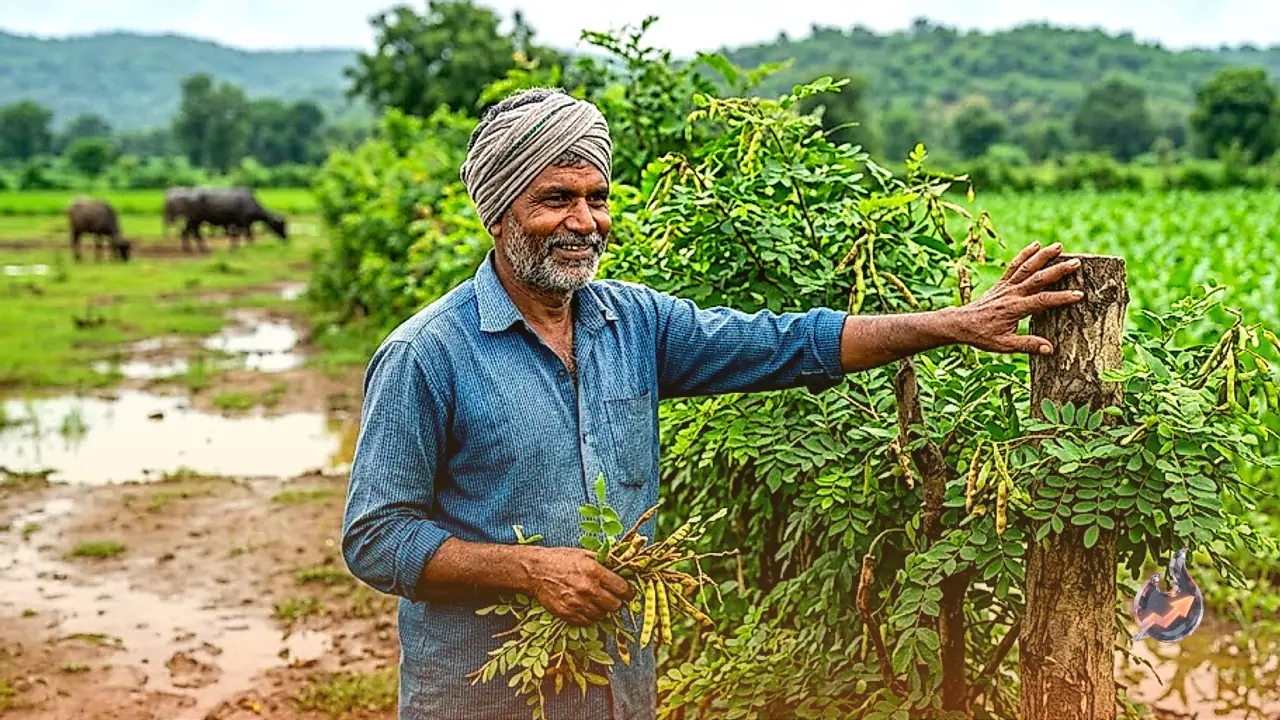
The 'Karonda' (Natal plum) is considered the most effective tree for creating a defensive perimeter. These shrubs require minimal maintenance, grow very dense, and feature extremely sharp thorns that act as a deterrent. Beyond protection, farmers can harvest and sell the fruits, creating an additional source of revenue. Alternatively, planting Acacia (Babul) along the borders is another time-tested strategy that provides both security and a long-term income source.
Options for Sustainable Income
For those looking to bolster the defensive capabilities of their fields, plants like Mehendi (Henna) and Bougainvillea are excellent choices. These shrubs are avoided by grazing animals, and their longevity ensures that the farm remains protected for many years. This shift represents a highly profitable and sustainable deal for farmers.
Farmers aiming to maximize their land's productivity can also incorporate other valuable species. Bamboo is a highly recommended option, as it acts as both a dense hedge and a source of economic profit, effectively securing the field for approximately five years. Furthermore, planting Malabar Neem on the borders can yield earnings of around 3000 rupees per tree. Farmers are also encouraged to consider integrating fruit and medicinal trees like Mango, Neem, and Jamun into their perimeter planning to ensure their farmland remains both secure and commercially viable for the long term.