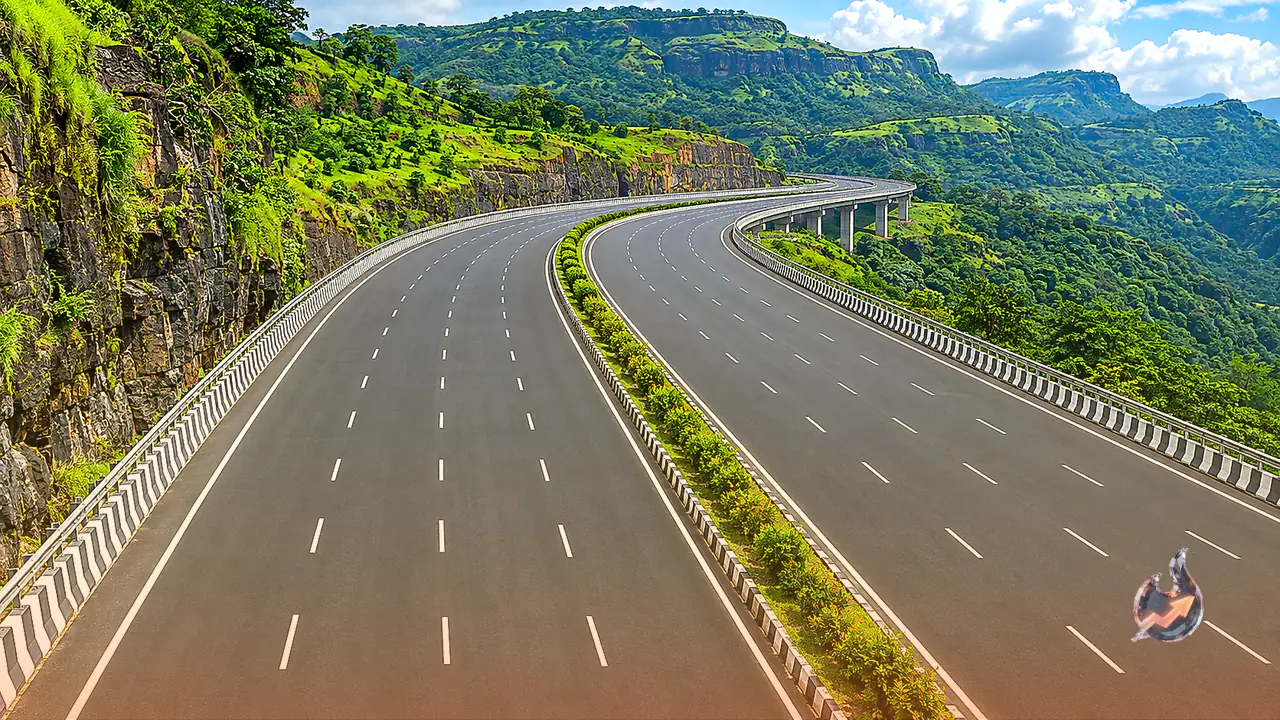

Commuters traveling between Maharashtra's two major commercial centers could soon experience significant relief from highway congestion. A new eight-lane greenfield expressway is being planned to make road transit faster and smoother between the two hubs. Estimated to cost roughly Rs 15,000 crore, the 130-kilometer-long high-speed corridor is designed with the objective of reducing vehicular travel time between the cities to approximately 90 minutes. Administrative efforts are currently moving forward with the project's tendering stage.
Tender Timelines and Traffic Management Capacity
The scheduled date for opening tenders for the proposed greenfield expressway has been revised to November 27, 2026. The infrastructure project carries an estimated capital outlay of nearly Rs 15,000 crore and will be constructed parallel to the existing Mumbai-Pune Expressway. The core objective of building this alternate corridor is to absorb the swelling vehicular traffic currently choking the primary route. Projections indicate that the new route will possess the structural capacity to handle approximately three lakh vehicles per day, significantly easing bottlenecks and lowering overall transit durations on the older corridor.
Phased Execution Plan for the 130-Kilometer Stretch
The construction of this 8-lane expressway is slated for execution across two distinct phases to streamline delivery. In the initial phase, a 30-kilometer stretch connecting Pagote to Chowk will be built. This foundational phase involves an estimated expenditure of around Rs 4,500 crore. The second phase will encompass the development of the remaining 100 kilometers of the expressway. Foundational assessments and the drafting of the detailed project report (DPR) for this longer phase are actively underway.
Easing Congestion and Improving Southern Transit
Once fully operational, the additional parallel expressway will provide commuters with a vital high-speed bypass, substantially mitigating vehicular pressure along the current arterial route. This strategic capacity addition will also directly aid long-distance passenger and freight traffic heading past the two urban hubs toward Bengaluru. While transit times are estimated at 90 minutes from end to end, the practical delivery of this timeframe will depend heavily on completed civil construction, dynamic traffic monitoring, and full commissioning. In the near term, the upcoming tender opening and preparatory evaluations will dictate the project's timeline.