






















Pharmaceutical manufacturers across India are set to receive substantial fiscal relief following key decisions reached at the 57th Goods and Services Tax Council meeting held in New Delhi on October 8. Announcing the policy measures after the session concluded, Finance Minister Nirmala Sitharaman detailed an upcoming framework that permits drug companies to claim input tax credit on goods distributed as promotional samples to healthcare professionals, as well as pharmaceutical inventories discarded due to expiry. The statutory updates modifying the current tax treatment are scheduled to take effect beginning in financial year 2027-28.
Streamlined Refund Framework to Enhance Liquidity
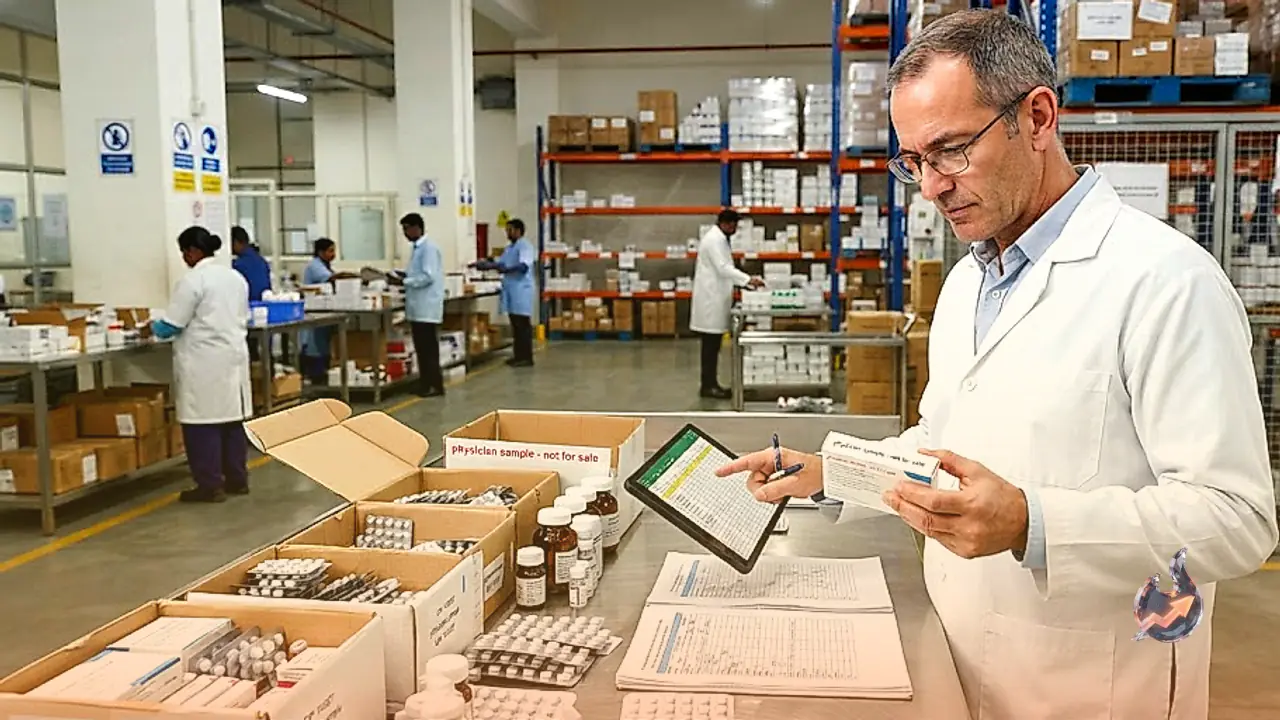
Within the pharmaceutical business model, circulating non-commercial physician samples and strictly disposing of time-sensitive medicinal batches are routine regulatory obligations. By approving recommendations to rationalize the credit mechanism and overhaul tax refund processing, the council intends to provide operational relief to pharmaceutical production hubs. The reform is projected to optimize working capital liquidity across production lines while bolstering competitiveness in export markets. Until now, the inability to claim credit on such write-offs added directly to procurement and manufacturing overheads, tying up crucial funds.
Conditions Governing Eligibility for Credit
Authorities have demarcated strict boundaries around when written-off goods qualify for input credits, clarifying that claims will be valid solely when destruction is mandatory under established healthcare laws. Assessing the regulatory landscape, Ashish Jain, Partner and Life Sciences & Healthcare Tax Leader at EY India, noted that the measures bring meaningful gains to companies developing vaccine batches, formulations, biologic products, diagnostics, and consumer health lines. These product categories routinely commit heavy outlays toward advanced factory infrastructure, ongoing trial distributions, and sensitive inventory life-cycle maintenance.
Industry Perspective on Capital Goods and Services
Deloitte India indirect tax leader Mahesh Jaising observed that the council's decision delivers a two-fold fiscal boost to domestic pharmaceutical firms. Removing accumulated taxes from expired inventory directly lightens balance-sheet carrying costs. Concurrently, incorporating input services and capital goods into refund calculations addresses a persistent operational friction point for the sector. Suresh Nair, an indirect tax partner handling consumer and health sciences at EY India, pointed out that recognizing input services and capital goods will significantly aid enterprises investing in new production units, specialized equipment, and export-driven capacity expansions.