























With the arrival of the monsoon in Saharanpur, agricultural activities have accelerated, but the season also introduces significant challenges for farmers. Paddy, a crop that inherently requires significant water, is highly susceptible to various diseases during the rainy season. As humidity and moisture levels rise in the fields, multiple infections begin to threaten the health of the crops. Understanding the signs of these diseases and knowing when to intervene is crucial for every farmer to avoid substantial losses.
Primary Diseases Affecting Paddy Crops
The most damaging diseases for paddy include sheath blight, neck blast, leaf blight, root rot, and nematode infestations. These pathogens frequently activate during the early growth stages of the crop. The primary source of infection is typically the seed or the nursery where the seedlings are raised. If the seedlings are infected from the start, the disease spreads rapidly throughout the main field once transplantation is complete. The wet, humid conditions of the rainy season create an ideal environment for these pathogens to thrive, making symptoms readily apparent on the plants.
Preventive and Remedial Strategies
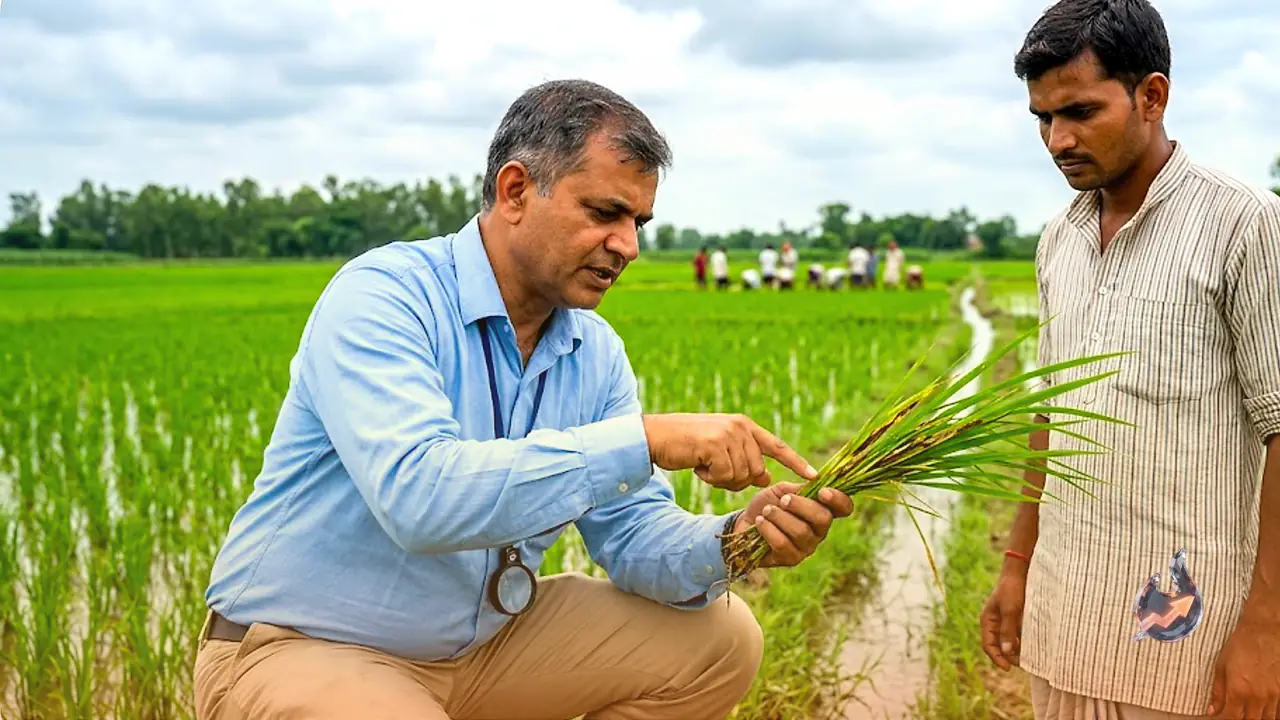
Farmers often turn to chemical sprays upon noticing these infections, but the efficacy of such treatments is frequently reduced due to persistent rainfall. According to Dr. I.K. Kushwaha, head of the Krishi Vigyan Kendra, preventive measures remain the most effective way to secure the yield. He noted that in the case of nematodes, knots form on the roots, which severely hinder the plant's overall development and nutrient absorption.
Best Practices for Crop Protection
Dr. I.K. Kushwaha recommends a specific method to protect the paddy crop. Farmers are advised to use a mixture of Carbendazim + Mancozeb or Thiophanate Methyl. This should be prepared at a ratio of 2 to 3 grams per liter of water. Before transplanting, the roots of the paddy seedlings should be soaked in this solution for 5 to 10 minutes. This preemptive step is highly effective in preventing issues like root rot.
Furthermore, if symptoms of sheath blight appear on the lower parts of the leaves, the use of Trichoderma is highly recommended. Trichoderma is a beneficial fungus that works to eliminate harmful pathogens. Farmers should prepare a mixture of Trichoderma with jaggery and gram flour (besan) in 200 liters of water. By applying this solution at the inlet of the field, it spreads evenly through the irrigation water, reaching the areas where the pathogenic fungus has taken hold. By utilizing this balanced approach of chemical and biological treatments, farmers can protect their crops and ensure a healthier harvest despite the challenging weather conditions.