























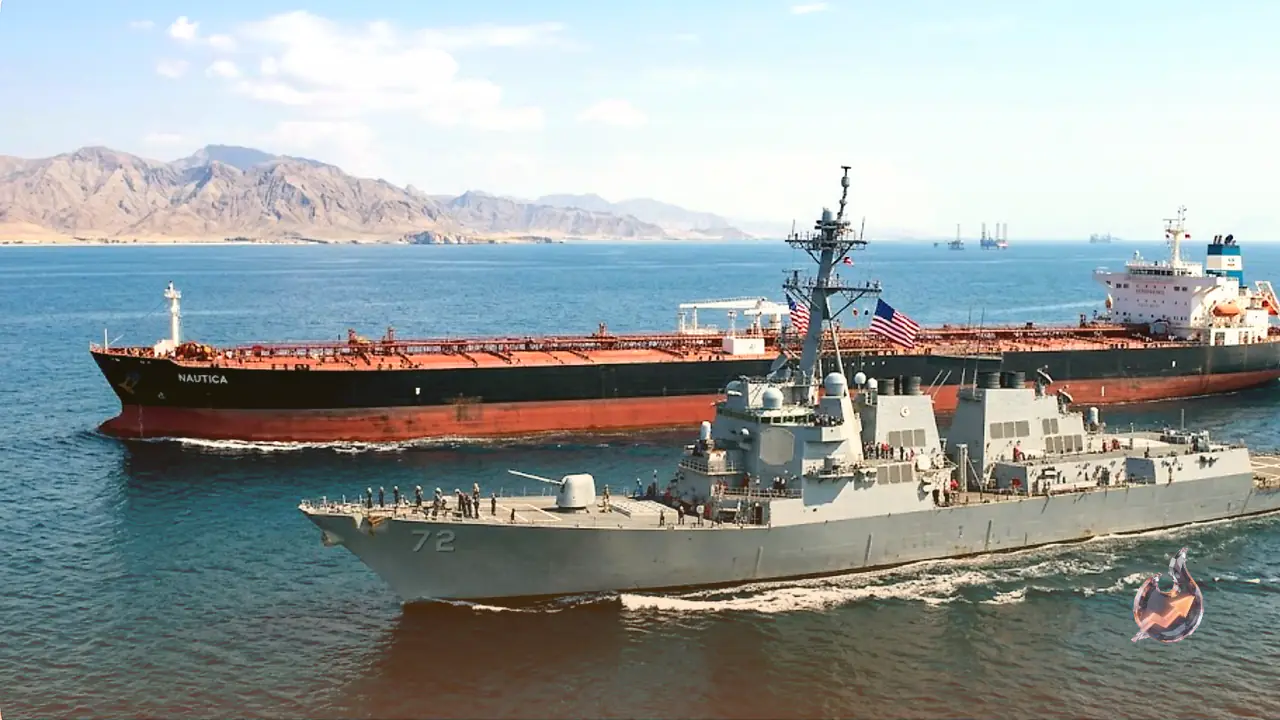

The global energy market is witnessing a sharp volatility as recent military strikes launched by the United States against Iran have sent crude oil prices soaring. Following a series of attacks on vessels within the Strait of Hormuz, the US military responded with heavy bombardment on several Iranian locations. Furthermore, the US has rescinded previous exemptions granted to Iranian oil, choosing instead to reimpose stringent sanctions. These developments have effectively dampened expectations for a reduction in retail petrol and diesel prices in India, creating a renewed sense of economic uncertainty.
Market Volatility and Price Trends
The immediate reaction in the international energy markets was one of rapid disruption. During early trading sessions, Brent Crude experienced a massive spike of up to four percent. While there was a slight cooling off later in the day, the commodity still settled with a significant gain of 2.81 percent, trading at 74.22 dollars per barrel. Simultaneously, the US benchmark WTI witnessed a rise of 2.91 percent, reaching a price level of 72.49 dollars per barrel.
The Escalation and US Response
The US government had previously warned Iran of severe consequences, labeling the recent attacks on three ships in the Strait of Hormuz as unacceptable. As tensions escalated beyond diplomatic control, the US military proceeded with strikes. The US Central Command (CENTCOM) has formally confirmed these operations, announcing via social media platform X that several Iranian targets were struck in direct response to the maritime attacks on vessels passing through the Strait.
Strategic Importance of the Strait of Hormuz
Historical data shows that conflict between these two nations often leads to extreme fluctuations in oil valuation. During earlier periods of active conflict, crude oil prices surged from 73 dollars per barrel to as high as 120 dollars per barrel, only returning to normalcy after peace agreements were established. The Strait of Hormuz is a critical chokepoint, as a substantial portion of the world's total oil trade passes through this narrow maritime corridor. Increased instability in this region translates directly into potential systemic failures within the global oil supply chain. It is this fear of interrupted supply that has ignited the crude market, causing prices to climb rapidly as investors brace for ongoing geopolitical turbulence.