




















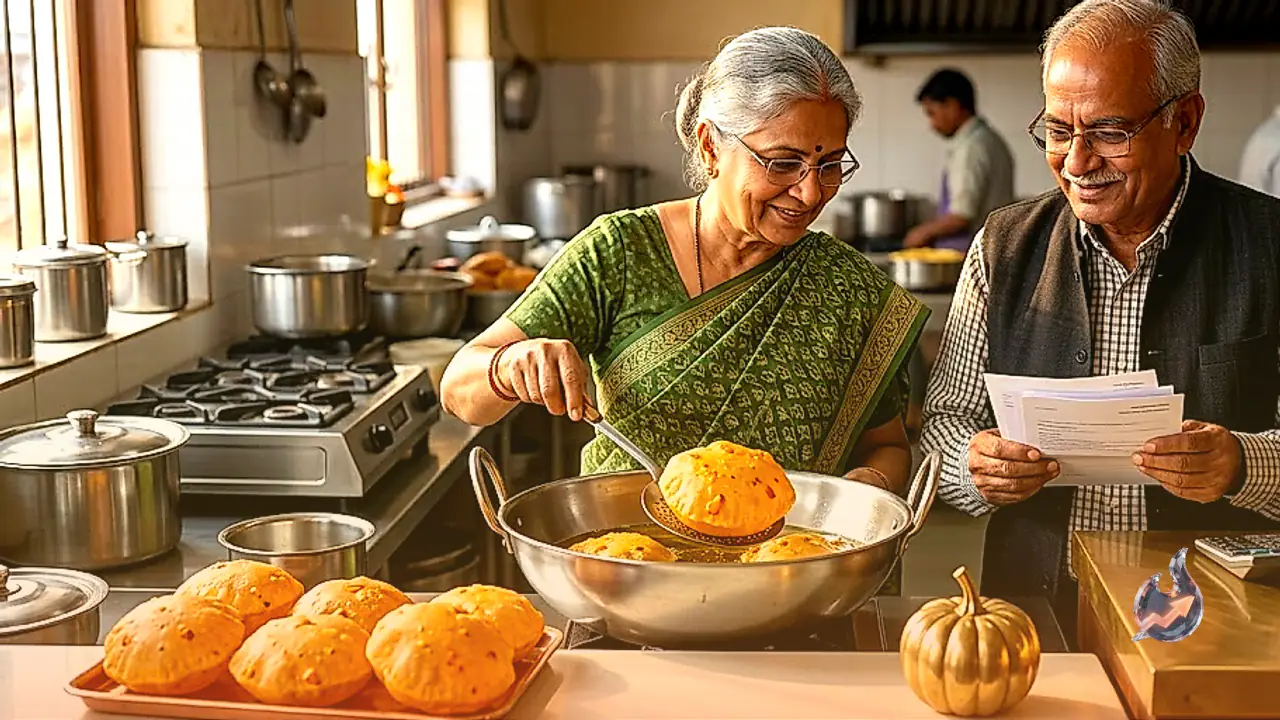

The pumpkin poori of Sultanpur, locally called kohda poori, has now been added to the government's One District One Product scheme, a move that opens the door to direct loans and subsidies for people connected to this traditional dish. The bigger question for residents is simple: how exactly can an ordinary person tap into this benefit?
Why kohda holds such cultural weight in Sultanpur
In Sultanpur, kohda, better known elsewhere as pumpkin or kaddu, is far more than an everyday vegetable. It is woven into the social fabric of the district, showing up as an essential dish at occasions like brahm bhoj, terhvin and various auspicious ceremonies. A feast at these events is considered incomplete without kohda ki sabzi, which is why it ranks among the most distinctive and recognisable foods of the region. It is this deep-rooted cultural significance that pushed the government to formally bring it under the One District One Product scheme, giving the local trade around it an official boost.
Who stands to gain financially
District Magistrate Neha Singh said including this traditional dish under the One District One Product scheme for Sultanpur district will further strengthen the district's identity. According to her, the scheme's core aim is to promote the district's traditional and well-known food items. Under it, people involved in making kohda ki sabzi, peda, lal peda and samosa in Sultanpur will receive financial assistance. Whether someone wants to expand an existing business or launch an entirely new project, the government is offering loans and subsidies directly through the Uttar Pradesh government's MSME department portal.
How much subsidy on how large a project
Under this scheme, the government is offering margin money, essentially a subsidy, of 10 to 25 percent on projects ranging from 25 lakh rupees to more than 1.5 crore rupees. Applicants from the general category need to contribute only 10 percent of the total project cost from their own pocket, while applicants from special categories need to put in just 5 percent. There is one condition worth noting here: this margin money is not handed over immediately. It only gets adjusted against the loan once the unit has been running properly for two years.
The distinct identity of Sultanpur's giant poori
Anil Kumar, a resident of rural Sultanpur, says the badi poori, literally big poori, holds a special place here. As the name suggests, it is considerably larger than a regular poori, and the way it is stored is just as unique. Once it is lifted out of a large iron kadhai, it is placed straight into a khainchi, a container woven from bamboo. The people who handle this storage step are specially trained for the job, ensuring the poori is packed just right. The care taken here means the poori stays warm for more than 24 hours.