























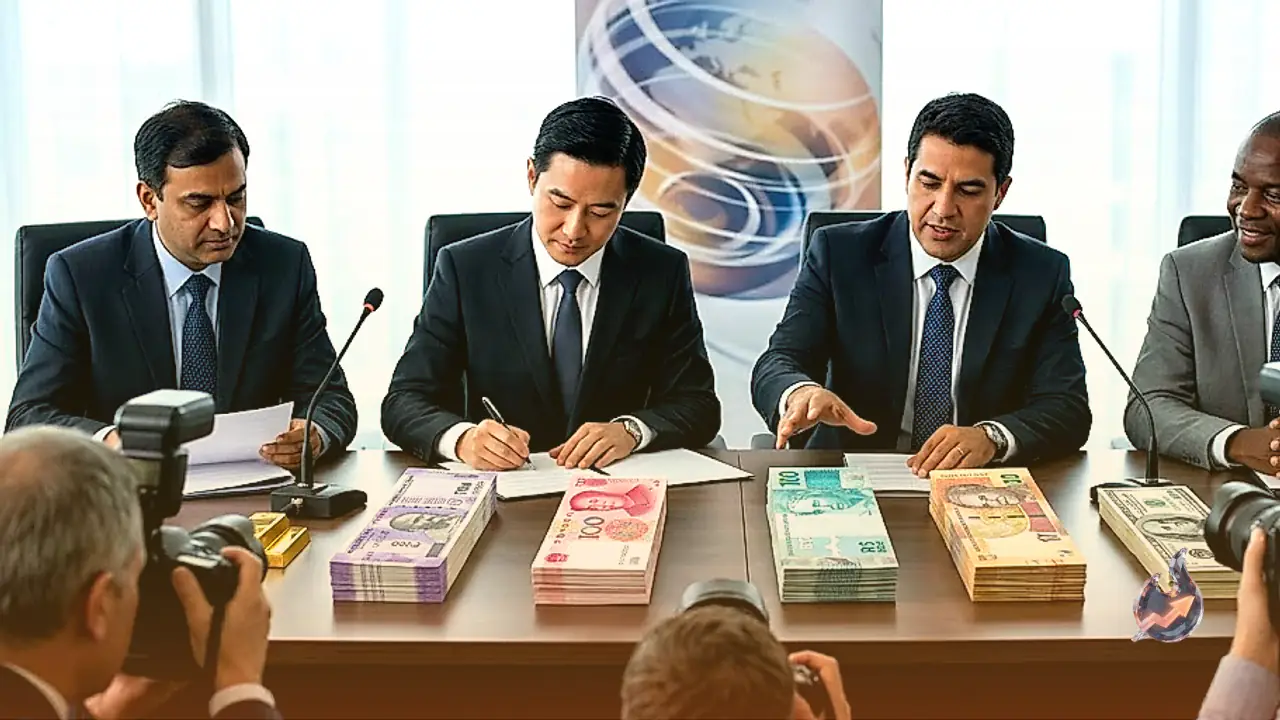

The United States is currently ensnared in the belief that de-dollarization is no longer a credible threat and that it is dissipating on its own due to the firm nationalistic policies implemented by President Donald Trump. While it remains true that the US dollar still monopolizes 58% of global reserves, and no other currency comes close to challenging this dominance, it is equally undeniable that foreign central banks are accumulating gold in record quantities to escape the hegemony of the greenback. The geopolitical scales are clearly shifting, and developing nations have shown no intention of slowing down this fundamental agenda.
De-Dollarization: Differing Perspectives Between the US and Developing Nations
A significant mismatch exists between how the US perceives this trend and how it is playing out in the Global South. Because mainstream economists rarely forecast the sudden collapse of the dollar, many Americans have adopted the narrative that de-dollarization is a myth and that the world remains entirely dependent on the US currency. In reality, developing nations are actively transitioning toward a multipolar financial order where local currencies are increasingly put to work. Russia is now accepting the ruble, India is facilitating trade in rupees, and China is demanding payments in the yuan. This momentum has even penetrated several African nations that are now utilizing local currencies for cross-border settlements.
The UAE, despite being a close strategic ally of the US and Europe, is also settling trade in dirhams. The infrastructure for a multipolar world is being constructed right under the watch of Donald Trump, even as he threatens tariffs and the severance of trade ties. Reducing dependency on the US dollar lowers transaction costs, resulting in billions of dollars in savings over time. For context, India successfully saved $7 billion in transaction fees by switching to local currencies for oil procurement with Russia. Consequently, de-dollarization provides tangible economic benefits to developing nations while simultaneously giving their own currencies a much-needed chance to compete in global forex markets.