




















The Indian Air Force is currently facing a critical shortage of fighter jets. This reality is widely known, but the more alarming concern is not just the current deficiency, but the fact that there is no clear path to reaching the required fleet strength by 2035 or 2040. Every plan for the procurement of fighter jets seems to be caught in significant hurdles, making the coming years increasingly challenging.
Acquiring fighter jets is not like purchasing everyday appliances. Air Force Chief Air Chief Marshal AP Singh recently highlighted that these aircraft cannot be bought off the shelf. The design, development, and procurement process is incredibly complex. Only a handful of nations globally possess the capability to build these jets, and deals are often laden with complex conditions. The current difficult situation cannot be attributed solely to the government or the bureaucracy, as international circumstances and timing are often beyond anyone's control.
Stuck at 30 Squadrons
Currently, the Indian Air Force operates approximately 30 fighter jet squadrons. Each squadron comprises 18 aircraft. Given the security challenges posed by neighbors like China and Pakistan, a minimum of 42 squadrons is essential. Adding to the gravity of the situation, the existing 30 squadrons include platforms like the MiG-29 and Jaguar, which are slated for retirement in the coming years. This will lead to a further reduction in total squadron numbers. While one might assume that India was caught unprepared, a look at the historical context reveals a long-standing effort toward indigenization.
Obstacles in the Indigenous Tejas Path
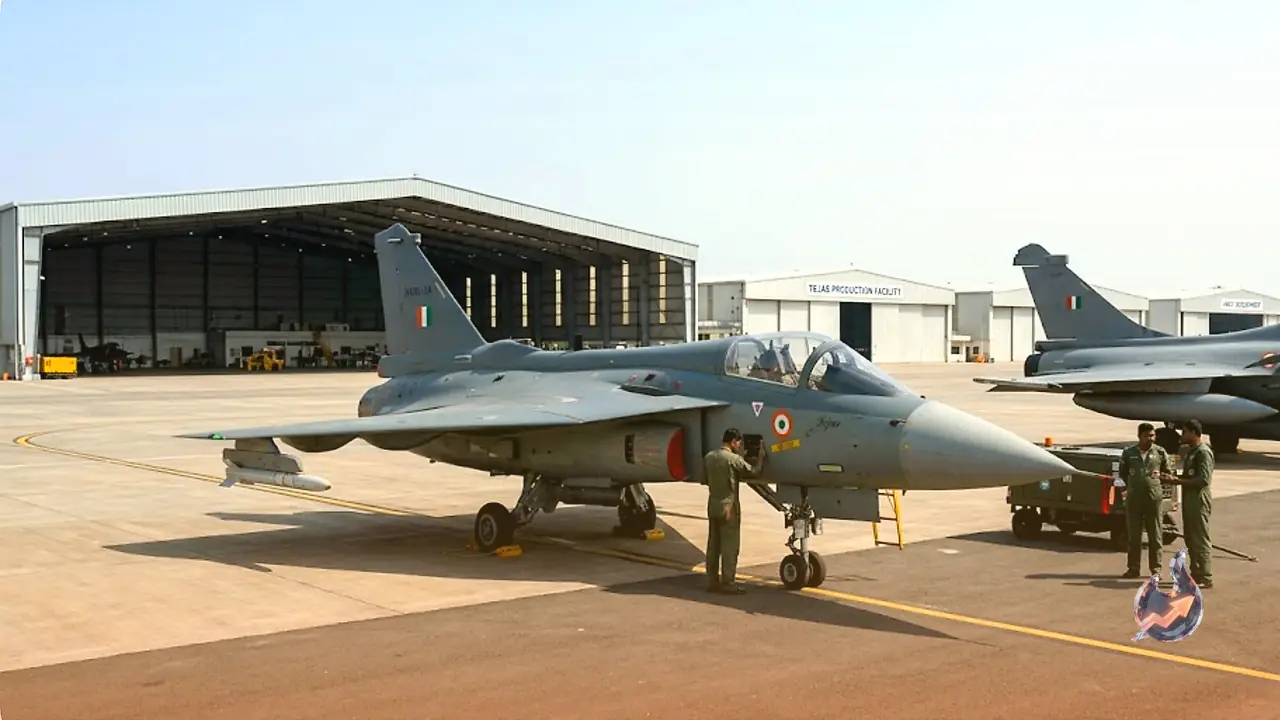
India has long strived to achieve self-reliance to reduce dependence on foreign suppliers. Success has been achieved with the development of the fourth-generation Tejas aircraft. Currently, 40 Tejas jets are in service. Subsequently, the more advanced Tejas MK1A was developed, which features superior radar systems compared to the Chinese fourth-generation J-10C jets, which are operated in large numbers by Pakistan and are now being marketed to nations like Bangladesh.
The Air Force had placed an order for 180 Tejas MK1A jets with the state-run Hindustan Aeronautics Limited (HAL), with the first delivery scheduled for February 2024. However, after a delay of over two and a half years, not a single jet has been delivered. The primary bottleneck is the delay in the supply of F404 engines by the American company GE. So far, GE has supplied only 6 to 7 engines, causing the entire schedule to derail. Meanwhile, China and Pakistan are rapidly modernizing their forces, with China already operating fifth-generation aircraft and moving toward sixth-generation technology.
Uncertainties Surrounding Tejas MK2 and AMCA
The next chapter involves the Tejas MK2, a 4.5-generation jet expected to rival high-end platforms like the Rafale. However, this project is facing hurdles on two fronts. Due to design limitations, significant modifications are currently underway. HAL reports suggest that these changes will require at least another 10 months. Furthermore, this jet is also dependent on the GE F414 engine. Reports indicate that GE has increased the price of this engine by nearly threefold, bringing the cost per unit to approximately 200 crore. If a change in the engine is mandated at this stage, the entire design will have to be overhauled, pushing the project back by another 4 to 5 years. Any possibility of these jets being operational by 2030 now looks increasingly unlikely.
Finally, there is the AMCA project, under which India aims to build its own 5th-generation fighter jet by 2035. Even here, the engine issue remains the biggest roadblock. The current proposal involves using the F414 engine, which is already the subject of intense scrutiny. Moreover, the Indian government has yet to finalize the consortium for constructing the prototype for this 5th-generation jet, even though the consortium is tasked with delivering the prototype within three years.