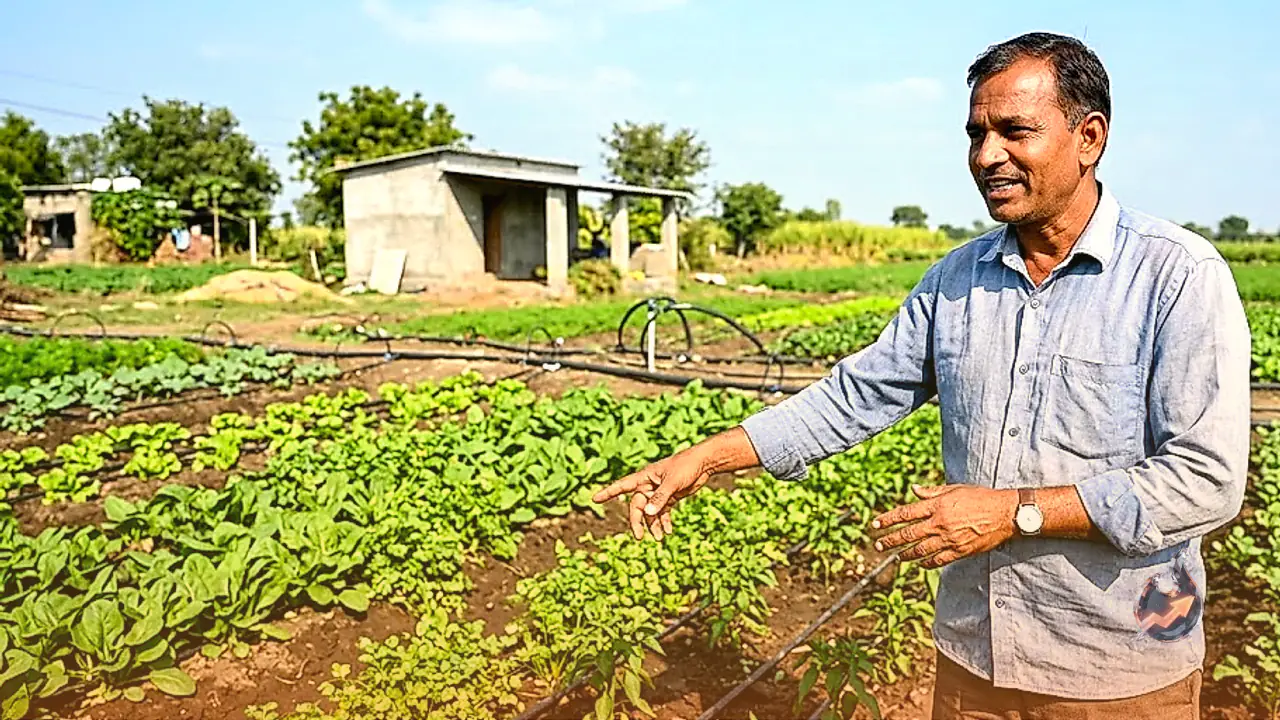






















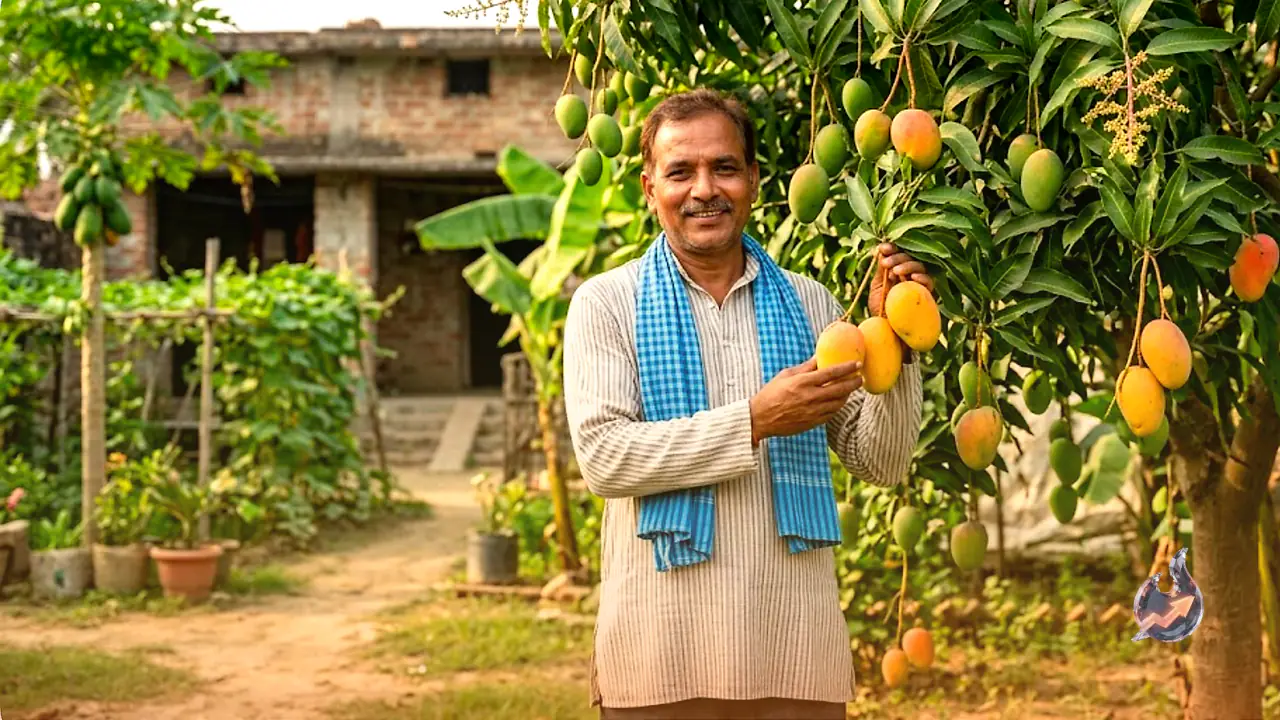

The mango season is slowly coming to an end, and the presence of the fruit in markets is steadily declining. Many people believe that once the summer heat fades, the opportunity to enjoy fresh mangoes disappears until next year. However, for gardening enthusiasts, there is a distinct possibility to extend this experience. Certain varieties of mango trees are known as perennial, capable of bearing fruit twice in a single year. These trees typically produce fruit just as the primary mango season begins or as it draws to a close. Abhishek Sharma, a farmer based in the Ghosi region of Jehanabad district, Bihar, has successfully planted this special variety in his own backyard, where tiny fruitlets, known as tikola, have already started to emerge.
Innovation in Farming
Abhishek Sharma is a young farmer who prefers to experiment with unconventional farming methods. While he maintains various types of mangoes across his one-bigha land, he specifically chose to plant Amrapali, Beeju, and perennial varieties in his home courtyard. Currently, he manages a dozen perennial mango trees, all of which have begun showing signs of fruit production. According to Sharma, while seasonal mango farming yields profits, adopting unique experiments can lead to even better economic returns. This mindset drove him to integrate these specific perennial plants into his garden, distinguishing his approach from standard local practices.
Maintenance and Costs
A major advantage of this specific variety is that it does not require the extensive care or resources typically needed for other mango types. Sharma notes that he invests very little in maintaining these trees. The process requires only two specific applications of spray: once before the blossoms appear and again once the small fruits have formed. If a farmer remains diligent during these two intervals, the risk of crop damage is significantly minimized. Furthermore, regular tilling of the soil around the base of the plants is essential for ensuring the trees remain healthy and productive throughout the year.
Enjoying Mangoes Off-Season
The standout feature of this mango variety is its ability to produce fruit when the traditional market season is entirely over. For those who are fond of mango chutney, this variety serves as a perfect domestic solution, ensuring that they do not have to endure a shortage throughout the year. Similar to other mango varieties, it takes approximately two months for the fruit to ripen fully. While the flavor profile may not perfectly match the sweetness of the Dudhiya Malda variety, it is nevertheless quite palatable and enjoyable. By planting this variety, anyone can relish fresh mangoes during the winter or rainy seasons, effectively keeping the taste of mango available throughout the entire year.