





















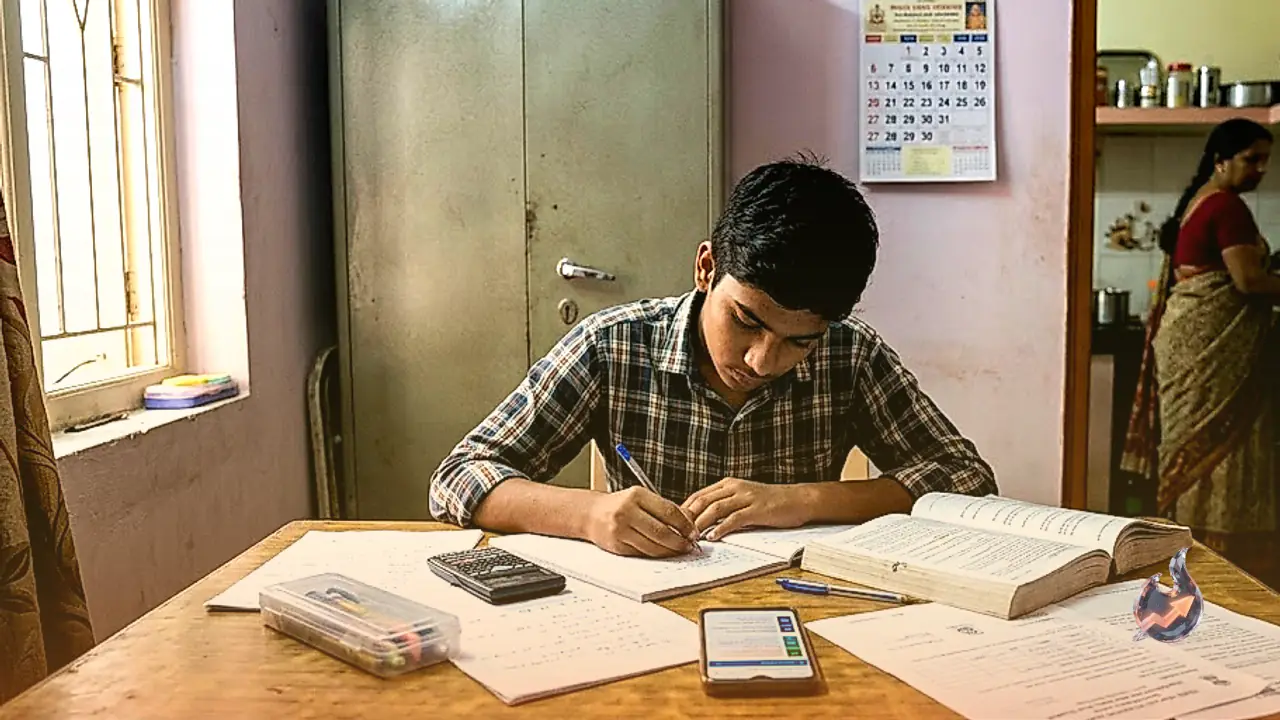

When board examinations are mentioned, the standard imagery that comes to mind involves daily school routines, morning assemblies, structured classrooms, and year-round academic schedules. However, many students and parents remain unaware that the Central Board of Secondary Education offers an established avenue for candidates to appear in annual board examinations without attending regular school classes. The private candidate provision serves as a vital academic lifeline for thousands of learners who could not sustain traditional classroom education due to personal difficulties, medical circumstances, or previous academic setbacks. This framework ensures that educational pathways remain accessible to every student looking to rebuild their academic credentials.
Understanding the Private Candidate Framework
A variety of queries often arise regarding the private examination model, especially concerning eligibility criteria, operational differences compared to regular school enrolment, and regulatory guidelines. To reintegrate non-traditional learners into mainstream education, the board has formulated a disciplined yet flexible set of regulations. Whether an individual needs to clear a compartment, improve their score, or complete secondary schooling through correspondence modes, distinct categories have been created to cater to different educational requirements.
Who Is Eligible to Appear as a Private Candidate
The examination authority has identified specific groups of learners who are permitted to register under the private student category. Eligibility extends to the following profiles
- Unsuccessful Candidates: Regular students from previous academic sessions who failed in one or more subjects during their main board examinations.
- Compartment Category Students: Candidates placed in the compartment category who wish to clear the respective subjects in subsequent attempts.
- Improvement Candidates: Students who have already cleared the examinations but intend to enhance their aggregate marks or percentage for higher education opportunities.
- Additional Subject Aspirants: Individuals aiming to qualify in an extra subject to expand their qualifications or fulfill specialized admission requirements.
- Specially-Abled Students: Persons with physical disabilities who are permitted under regional regulations to pursue board credentials without attending conventional schooling.
Key Differences Between Regular and Private Examination Routes
While both pathways lead to the same academic certification, the operational methodologies differ across several parameters
- Classroom Attendance Requirements: Regular candidates must maintain mandatory minimum classroom attendance and participate in daily practical sessions. In contrast, private candidates carry no obligation to attend daily school sessions.
- Internal Assessment Integration: Regular students earn internal assessment scores based on periodic school tests, projects, and co-curricular performance. For private candidates, overall grading predominantly relies on performance in the central theory examination, with dedicated guidelines governing practical subjects.
- Application and Enrolment Process: Schools independently manage the registration and form submission procedures for their regular batches. Private candidates must directly handle their online registration and document submission through the official portal of the education board.
- Cost and Study Flexibility: Private enrolment allows self-paced study without regular school tuition expenses, offering immense flexibility to self-learners.
Practical Advantages of the Private Candidate Option
The provision to appear privately delivers several structural benefits to candidates navigating unconventional circumstances. Its primary advantage lies in preventing the loss of an academic year when personal, economic, or medical crises disrupt continuous schooling. Furthermore, for candidates targeting entrance examinations or public sector recruitment where minimum score thresholds apply, the improvement mechanism provides an official channel to upgrade academic profiles without re-enrolling in full-time schooling.
Academic Validity and Recognition of Certificates
A prevalent concern among candidates relates to whether credentials earned via the private route carry diminished institutional value. The board maintains complete parity across both tracks. The mark sheets and passing certificates issued to private candidates are identical in format and status to those granted to regular school students. The documents do not carry any distinctive indicator denoting private candidate status. Consequently, all universities, colleges, technical institutions, and employment authorities nationwide accept these certificates on equal footing.