















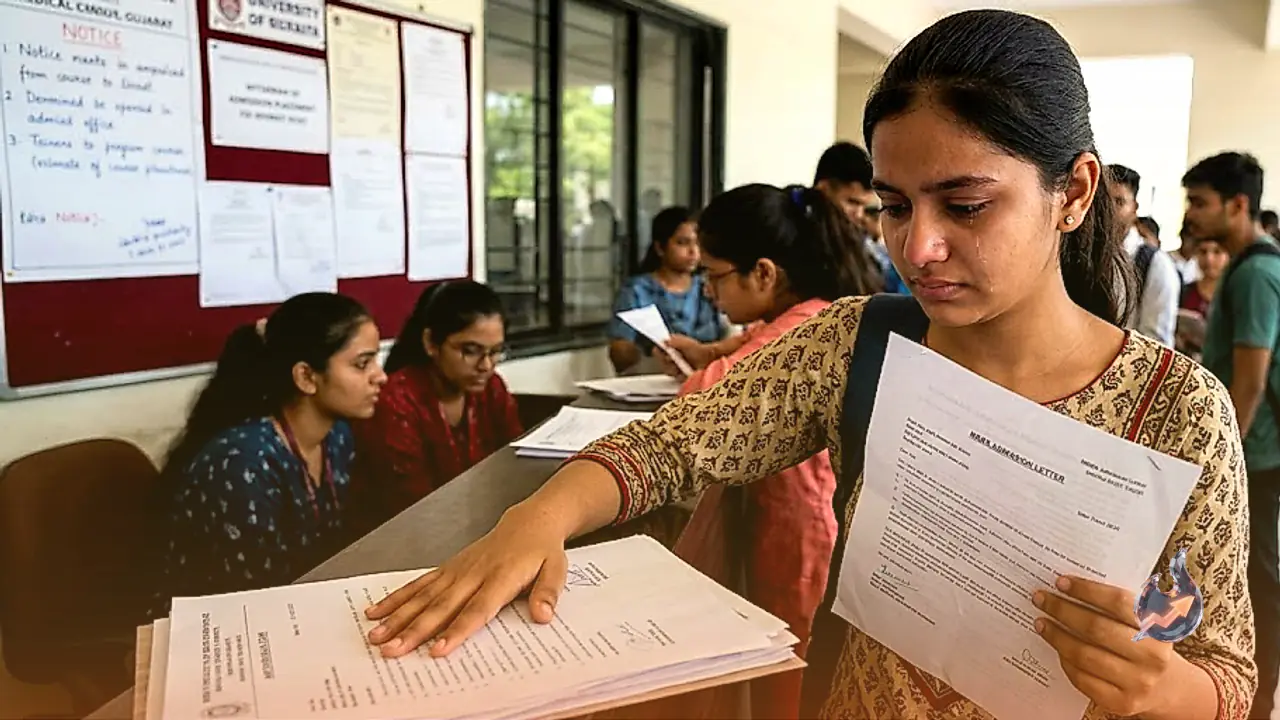

Qualifying for the National Eligibility cum Entrance Test (NEET) is merely the first hurdle for students aspiring to become doctors, as the real challenge often begins with the overwhelming costs of medical education. A deeply concerning situation has emerged from Gujarat, where a significant number of qualified students had to give up their hard-earned medical seats. These students were forced to walk away simply because their families could not afford the steep tuition fees charged by private institutions.
Unprecedented Seat Forfeitures Revealed by Admission Statistics
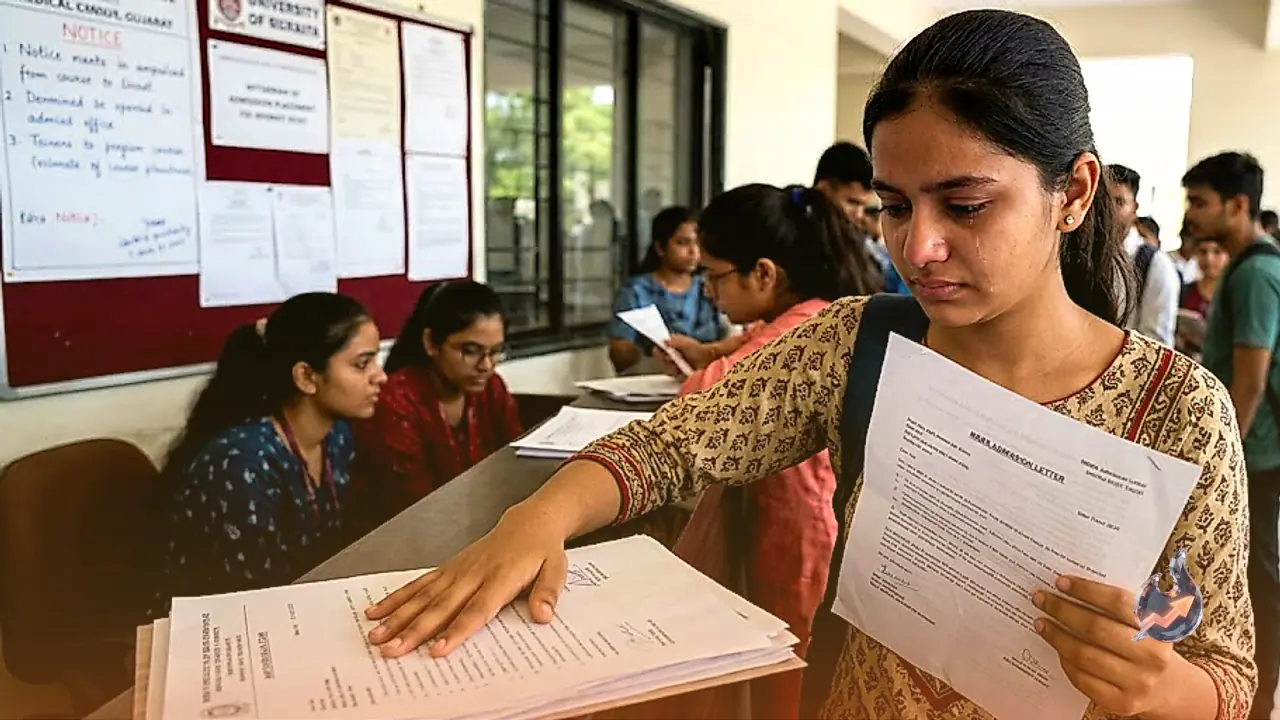
According to the official data released by the Medical Admission Committee (ACPUGMEC), as many as 771 students in Gujarat failed to confirm their MBBS and BDS admissions despite being allotted seats in the first two rounds of counseling. These students chose not to deposit the required fee to secure their admission. Left with no other viable financial option, many of these bright young minds are now shifting focus toward alternative courses such as Homeopathy (BHMS), Ayurveda (BAMS), or Pharmacy, where the educational expenses are significantly lower.
Memon Mohammed Sheikh Forced to Quit Parul University
The struggle of Memon Mohammed Sheikh from Vadodara perfectly illustrates this growing financial crisis. Memon, an open-category candidate, was allotted an MBBS seat at Parul University in Vadodara. However, the annual tuition fee of approximately 10 lakh INR put this dream out of reach. His father runs a small saree shop with limited earnings. Even though they could manage 6 lakh INR for the first year through government scholarships and community assistance, arranging 10 lakh INR every subsequent year was an impossible task for the family, forcing them to let go of the seat.
Uday Karavadra Decides Against SAL Medical College Due to Costs
A similar fate was shared by Uday Karavadra, the son of a farmer. Uday secured an impressive score of 421 in the NEET exam, which earned him an MBBS seat at SAL Medical College in Ahmedabad. However, the college demanded an annual fee of 11.68 lakh INR, meaning the entire five-year course would cost around 55 lakh INR. Unable to gather such a massive amount, Uday rejected the seat and is now planning to pursue Ayurveda (BAMS) or Homeopathy (BHMS), where the financial burden is much lighter for a farming family.
Official Concerns Over the Growing Preference for Alternative Courses
A senior official associated with the state medical admission panel remarked that such a high volume of forfeited MBBS and BDS seats has never been witnessed before. According to officials, the steep pricing structure of private institutions is the primary deterrent. The massive fee burden leaves many families in a dilemma, struggling to decide whether to accept the allotted seat or wait for subsequent rounds. Consequently, students are prioritizing dental, pharmacy, ayurveda, and homeopathy courses as practical ways to obtain a medical degree without falling into financial ruin.
The Commercialization of Education and the Debt Trap
This critical issue is not restricted to Gujarat alone, but represents a nationwide reality where professional medical education is increasingly becoming a luxury affordable only by the wealthy. Middle-class and underprivileged families often resort to high-interest educational loans to fund their children's dreams, pushing them into severe, long-term debt traps. Recognizing these risks, students are taking a highly practical approach by choosing fields that fit their family budgets while still offering reliable employment opportunities in the healthcare sector.