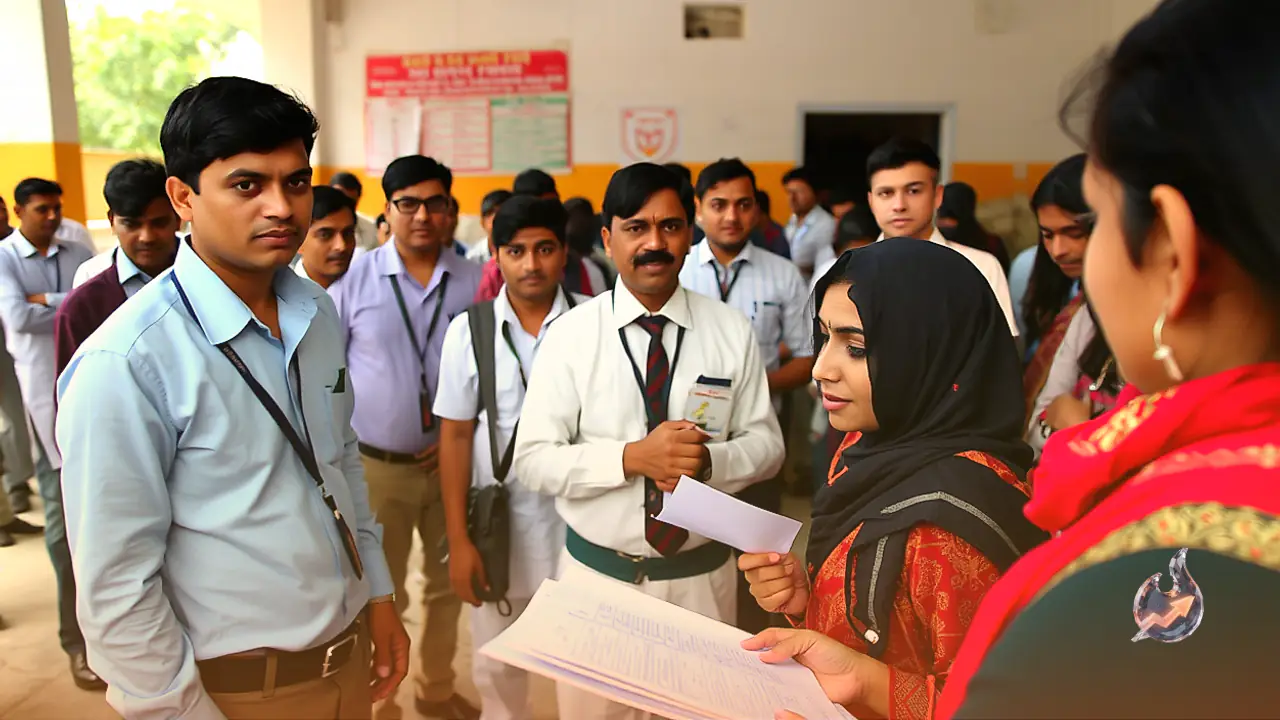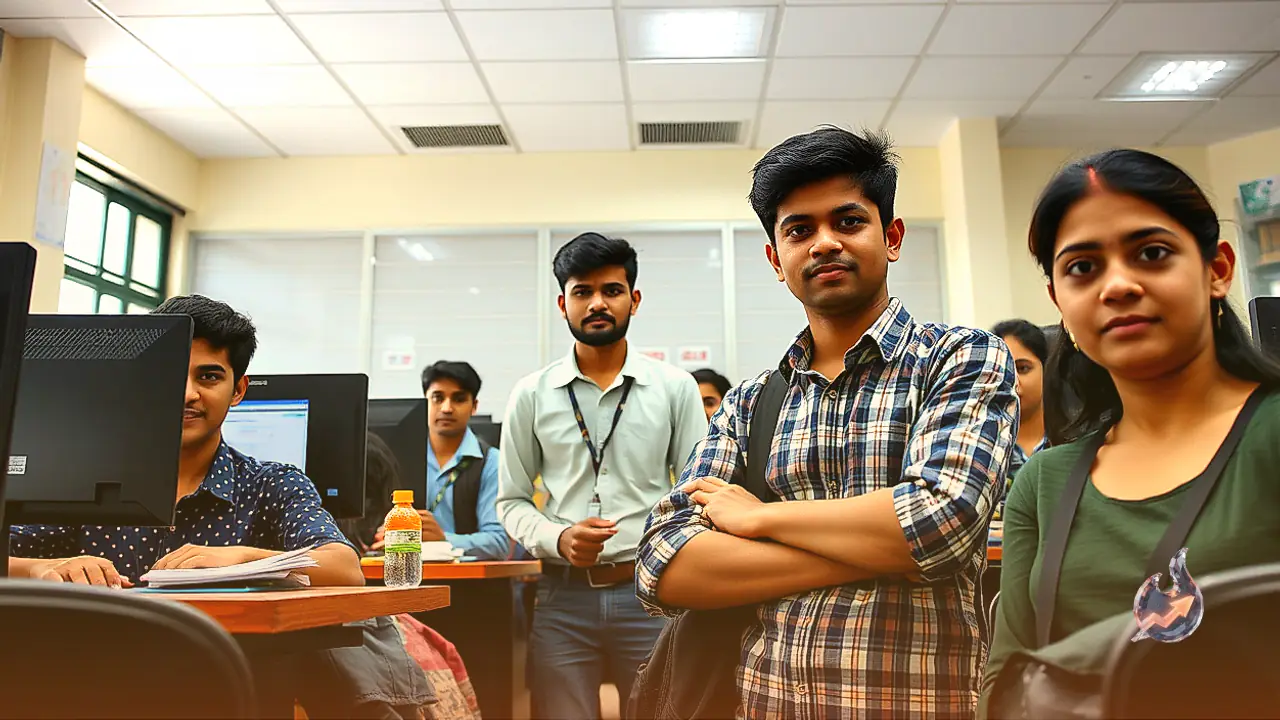






















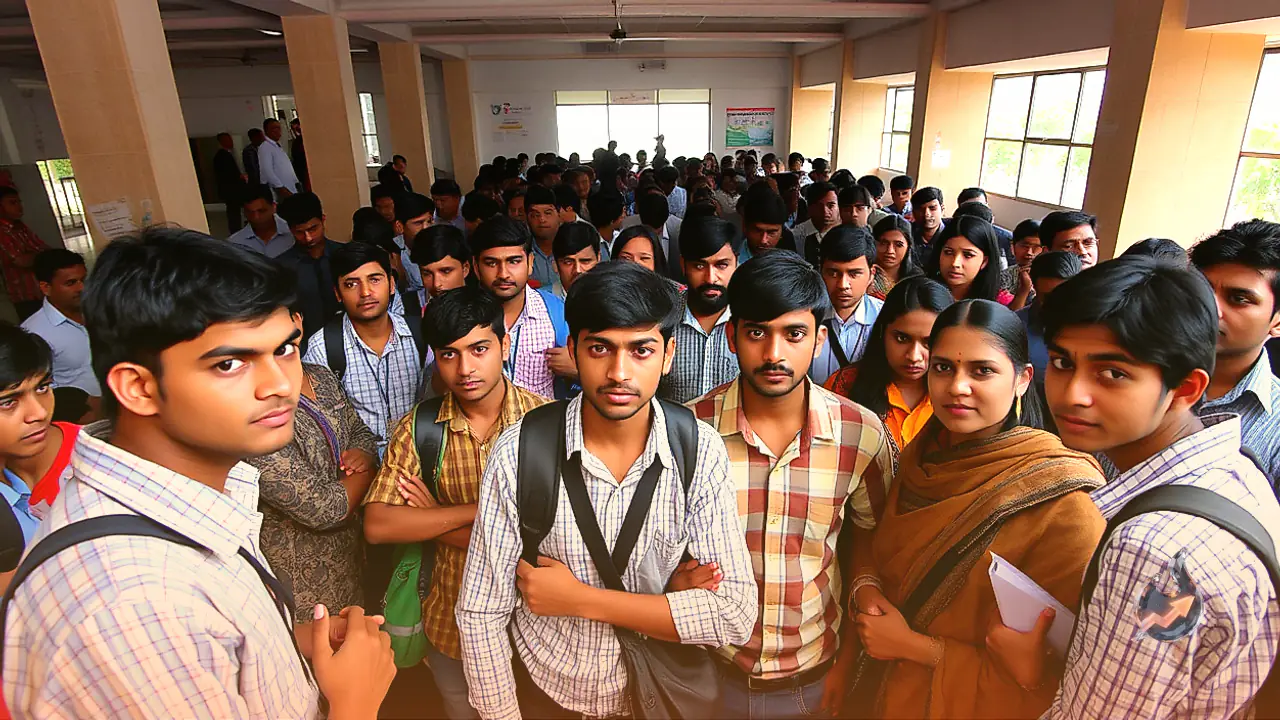

Considered one of the toughest engineering entrance tests in the country, the rules governing the JEE Advanced examination are currently under review for potential restructuring. Discussions are underway indicating that students might soon be granted up to three attempts instead of the existing limit of two. For a long time, lakhs of young aspirants across the nation have been demanding an extension in the attempt limits, citing the disruptions caused by the COVID-19 pandemic and other exceptional hardships. Addressing this vital matter, IIT Kanpur Director Manindra Agrawal has provided a significant indication that has sparked fresh discussions across academic circles.
Current Regulations and the Student Petition
Under the prevailing guidelines, an applicant is permitted to take the JEE Advanced exam for a maximum of two consecutive years, specifically the year they pass their 12th board exams and the immediately following year. Following the special relaxations granted during the coronavirus outbreak, students have persistently demanded that this concession be made a permanent three-attempt policy. Recently, over 12,000 candidates signed an online petition to amplify this demand, bringing the matter back into active public debate. This has ignited widespread discussions regarding whether the current pattern of the examination has become overly dependent on commercial coaching institutes.
The Stance of the IIT Director
During an event, IIT Kanpur Director Manindra Agrawal openly acknowledged that while no immediate changes are being implemented right away, the prospect could certainly be explored over the coming years. He did not rule out the possibility of introducing a third attempt in the future. Academic experts note that if this policy eventually materializes, it will offer immense relief to candidates who struggle with unforeseen setbacks during their initial academic windows.
Deep Concerns Over Coaching Dependency
Director Manindra Agrawal voiced serious apprehension over the reality that JEE Advanced has progressively transformed into an examination that relies almost entirely on rigorous coaching. The prevailing consensus among aspirants is that cracking this test without enrolling in expensive coaching programs has become exceedingly difficult. This dynamic places severe mental and financial stress on bright students coming from ordinary and economically weaker backgrounds. To counteract this trend, the IIT administration is actively brainstorming structural changes to the exam format to diminish the dominance of coaching syndicates and promote genuine conceptual understanding over rote learning.
Reforming the Exam Pattern and Moving Away From Rote Learning
Educational experts emphasize that merely increasing the number of attempts will not completely resolve the underlying systemic challenges. It is essential to align the JEE Advanced pattern with foundational school education and conclusive thinking skills. Students preparing for the examination are advised not to rely solely on shortcuts provided by coaching centers, but rather to strengthen their fundamentals using NCERT textbooks and focus on conceptual clarity. The IITs are increasingly designing questions that demand mental agility and problem-solving capabilities rather than mere memorization.
Who Stands to Benefit and Potential Drawbacks
If the three-attempt rule is officially enforced in the future, it will predominantly aid brilliant students from remote or rural regions who receive accurate guidance about the competitive exam at a slightly later stage. Furthermore, students who lose an attempt due to severe illness, family emergencies, or uncontrollable external factors will be able to re-attempt the test without fearing the complete derailment of their careers. Conversely, some analysts caution that introducing a third attempt might encourage students to spend an additional year preparing, thereby increasing the financial burden of coaching fees on their families.