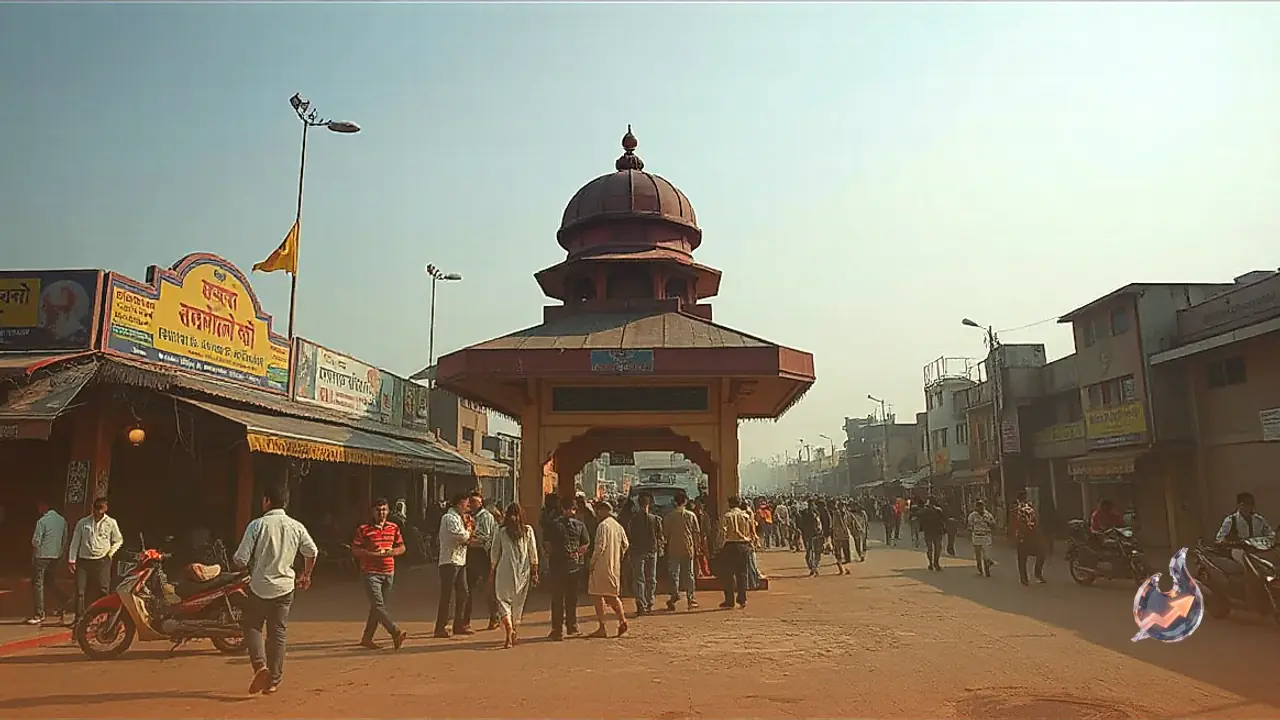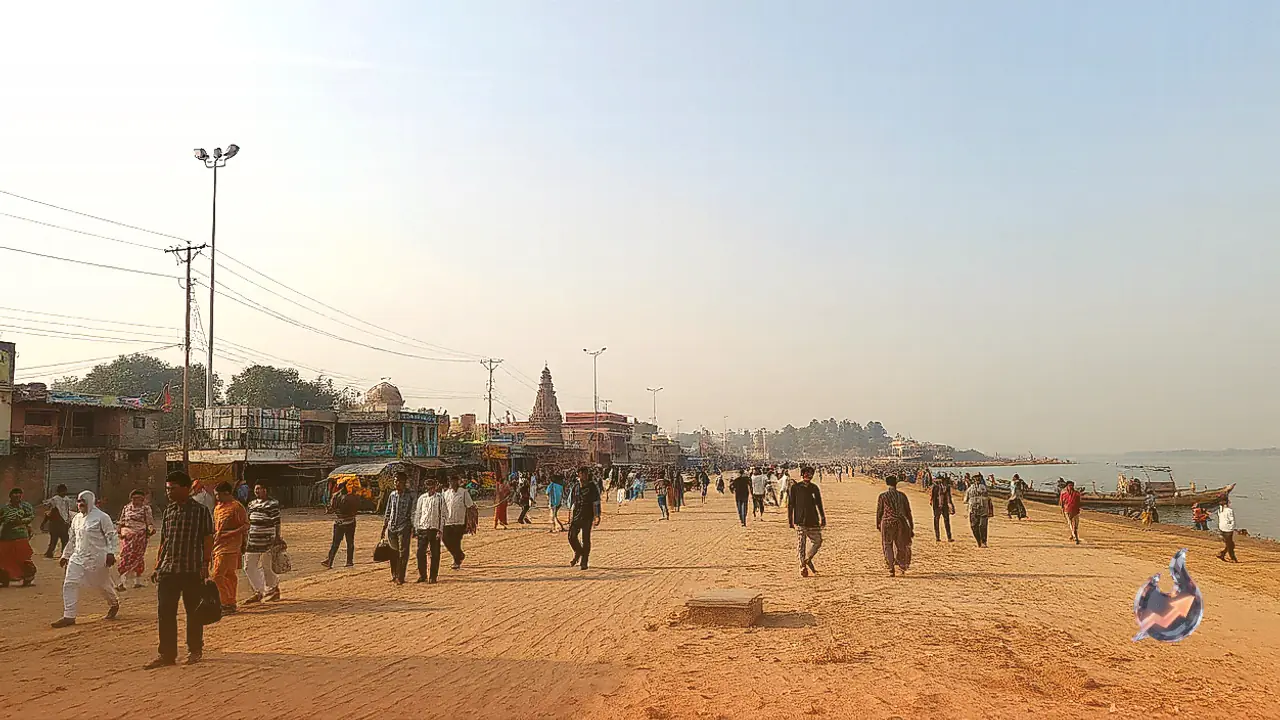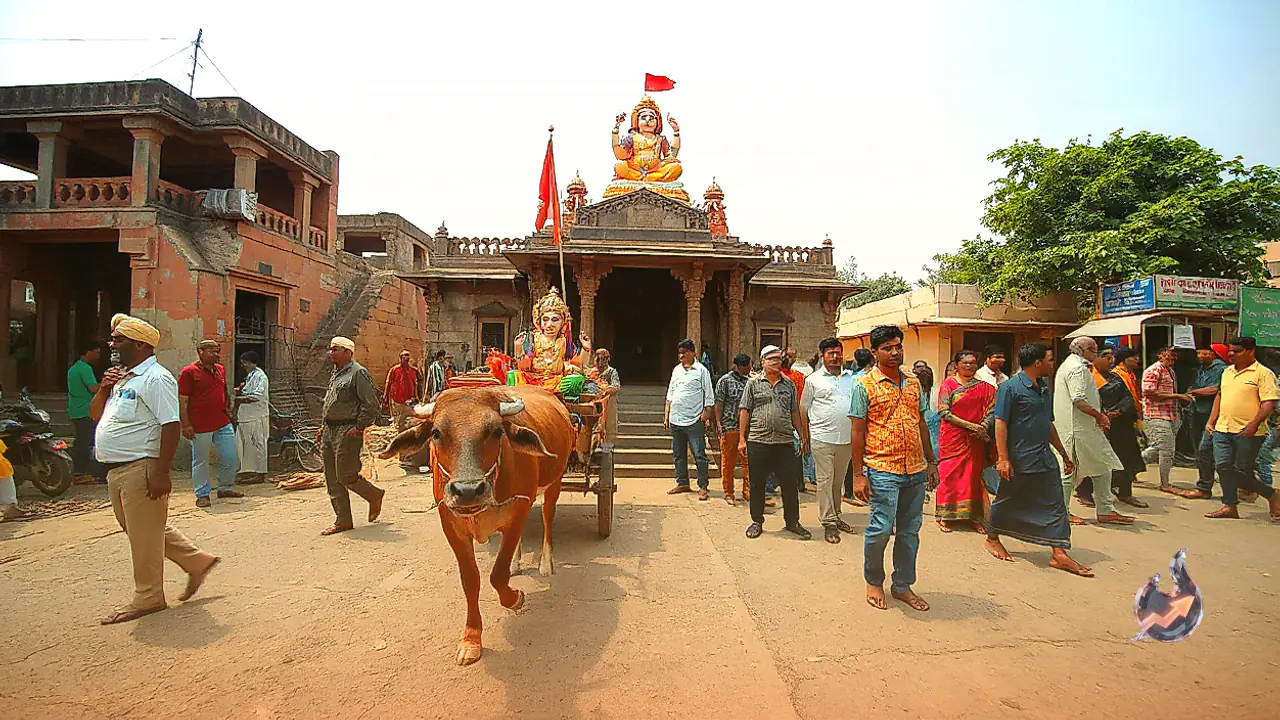

The historical and religious landscape of Raipur features several ancient landmarks deeply tied to the heritage of Chhattisgarh. Among these stands a notable Ganesha temple situated in the Maithil Para locality of Purani Basti. Beyond its spiritual significance, this sacred site holds a prominent place in the history of India's freedom struggle, marked by a unique idol and a rich past.
Origins Dating Back to the Kalachuri Period
Historian Dr. Ramendranath Mishra explains that when King Brahmadeva founded and developed Raipur, numerous scholars accompanied him to the region. Among them was the Shastri family, which settled in the Maithil Para area of Purani Basti. During the later Kalachuri period, this very family commissioned the construction of the Ganesha temple, cementing its place as an integral component of the city's ancient religious architecture.
The Journey by Bullock Cart from Northern India
The deity housed within the temple possesses distinct features. Historical accounts indicate that the idol of Lord Ganesha was transported all the way to Raipur via bullock cart, journeying through Varanasi and Allahabad. Following its arrival, the statue was consecrated with traditional rituals. During the subsequent Maratha rule, the shrine retained its revered status, with local Maratha officials frequently visiting to offer prayers.
A Hidden Hub for Freedom Fighters
The temple also played a clandestine role during the independence movement. According to historical records, prominent freedom fighters such as Devi Kant Jha, Pandit Ratanlal Jha, and Yadunandan Thakur gathered at the temple to discuss strategies against British colonial rule. Similar gatherings also took place at the Nayar Temple and Jethu Sao Math. The British authorities remained entirely unaware of these meetings, under the assumption that citizens were merely assembling for worship and devotional singing.
Unique Right-Sided Trunk and Enduring Traditions
Another striking feature of the temple is the physical orientation of the Ganesha idol, which curves to the right rather than the conventional left side. Regular devotional singing, prayers, and religious ceremonies have formed an unbroken tradition at the site for generations. Today, the ancient temple in Purani Basti preserves both the religious devotion and the historical memories of Raipur's freedom movement.