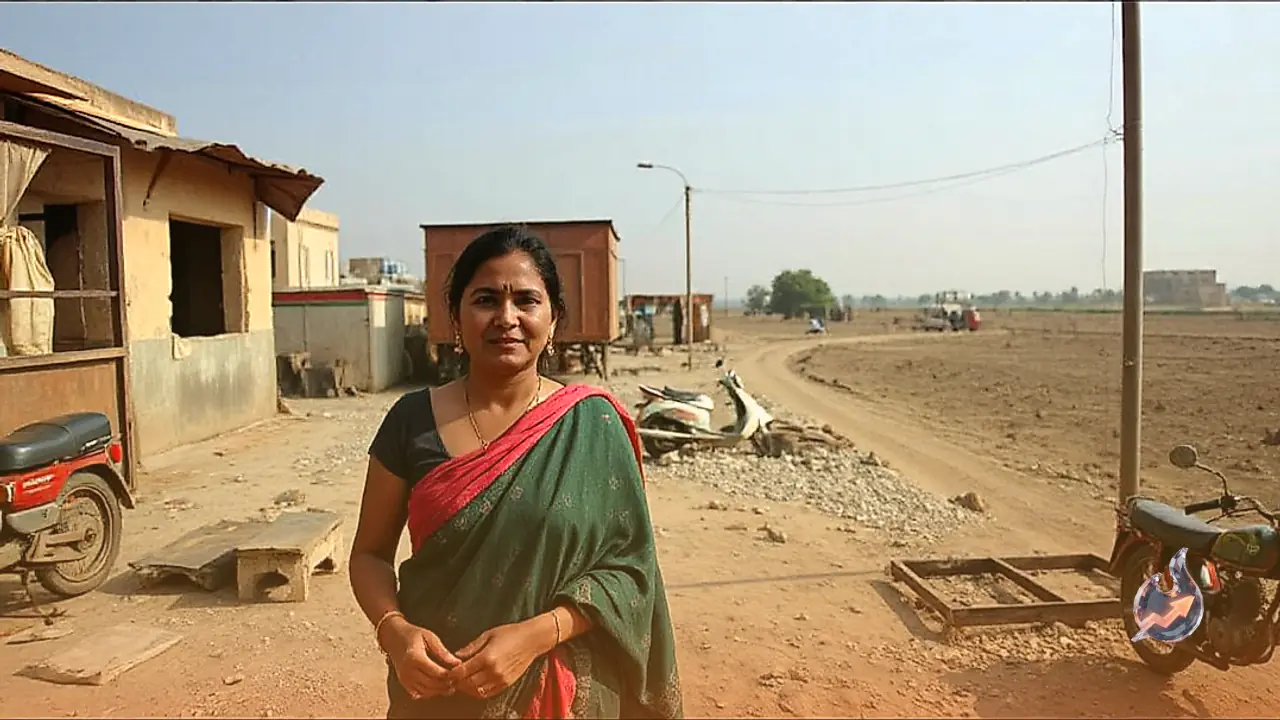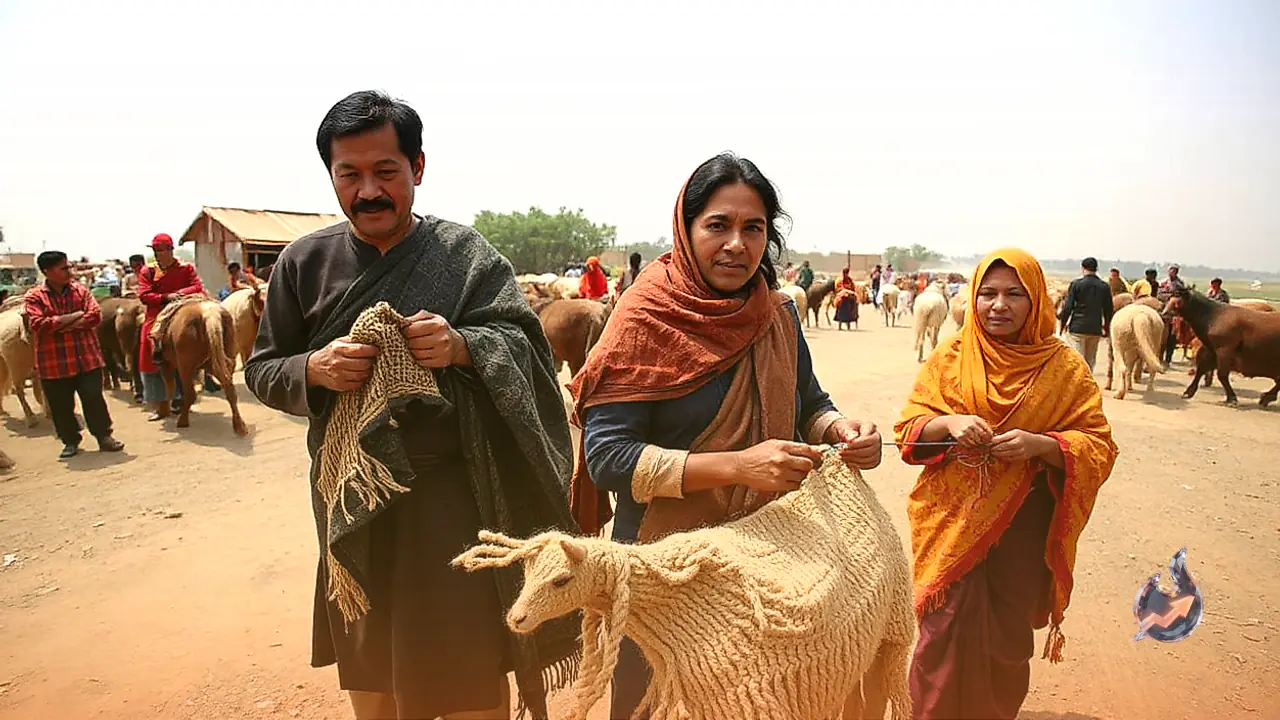

Rural areas of Chhattisgarh's Surguja district are witnessing a steady rise in self-reliant women through their dedicated efforts. Adding to this momentum, Tibetan women have also carved out a remarkable niche for themselves through sheer hard work. Chhering Lamu, a resident of Luraina in Surguja, is executing commendable work leveraging her traditional craft. She creates woolen garments at home and earns a substantial income by selling them during the winter season.
Acquiring the Craft Through Family and School
Chhering Lamu shared that she mastered the art of hand-knitting woolen items during her school days and from her family environment. Her household members were already engaged in making woolen articles, and observing them helped her gradually learn the craft. She subsequently transformed this skill into her primary source of livelihood. Chhering Lamu has been consistently selling hand-crafted woolen garments since 1988, marking a span of nearly 37 years.
Crafting Items Without Machines Using Just Two Needles
A wide variety of woolen items can be found at Chhering Lamu's stall. These products include caps, hair bands, mufflers, socks, and gloves. What makes her work distinct is that she prepares all these articles without utilizing any machinery, relying solely on two knitting needles. She carries out the knitting based on her extensive experience and estimation. Chhering Lamu states that a significant difference exists between machine-made and hand-knitted apparel, noting that handmade items carry a unique identity and value. This is the precise reason why tourists and customers display great fondness for her handcrafted goods.
Time Required for Production
Producing woolen garments by hand is far from a simple task, as each distinct design and item demands varying amounts of time. According to Chhering Lamu, finishing a single cap requires approximately two hours. Conversely, crafting a single muffler can take anywhere from two to three days to complete.
Manufacturing in Summer and Selling in Winter
A defining characteristic of Chhering Lamu is her consistent work ethic. During the summer months when the demand for woolen clothing drops significantly, she refuses to remain idle. Instead, she spends the summer season at home preparing inventory for the upcoming season. As soon as the winter weather sets in, she heads straight to the marketplace to offer her goods for sale.
Journey From Kolkata to the Daldali Region of Surguja
Chhering Lamu previously set up her shop in Kolkata as well. At present, she operates her stall in the Daldali area of Surguja. Tourists visiting the location purchase her hand-knitted woolens with great enthusiasm. The weekend days of Saturday and February see a higher influx of tourists, which translates into stronger sales. However, adverse weather conditions occasionally disrupt her business; heavy rainfall spanning three consecutive days recently caused considerable hardship to her operations.
Reflecting on Past Decades and Evolving Times
Recalling her earlier days, Chhering Lamu notes that roads were poor back then, requiring long stretches of travel on foot. Over time, the era progressed through horses, bicycles, motorcycles, and eventually modern vehicles. People's lifestyles and perspectives have transformed alongside the passage of time. While the wool trade has experienced various shifts, the fundamental importance of hand-crafted clothing persists to this day. Her continuous endeavor demonstrates how women can achieve self-sufficiency through traditional craftsmanship.