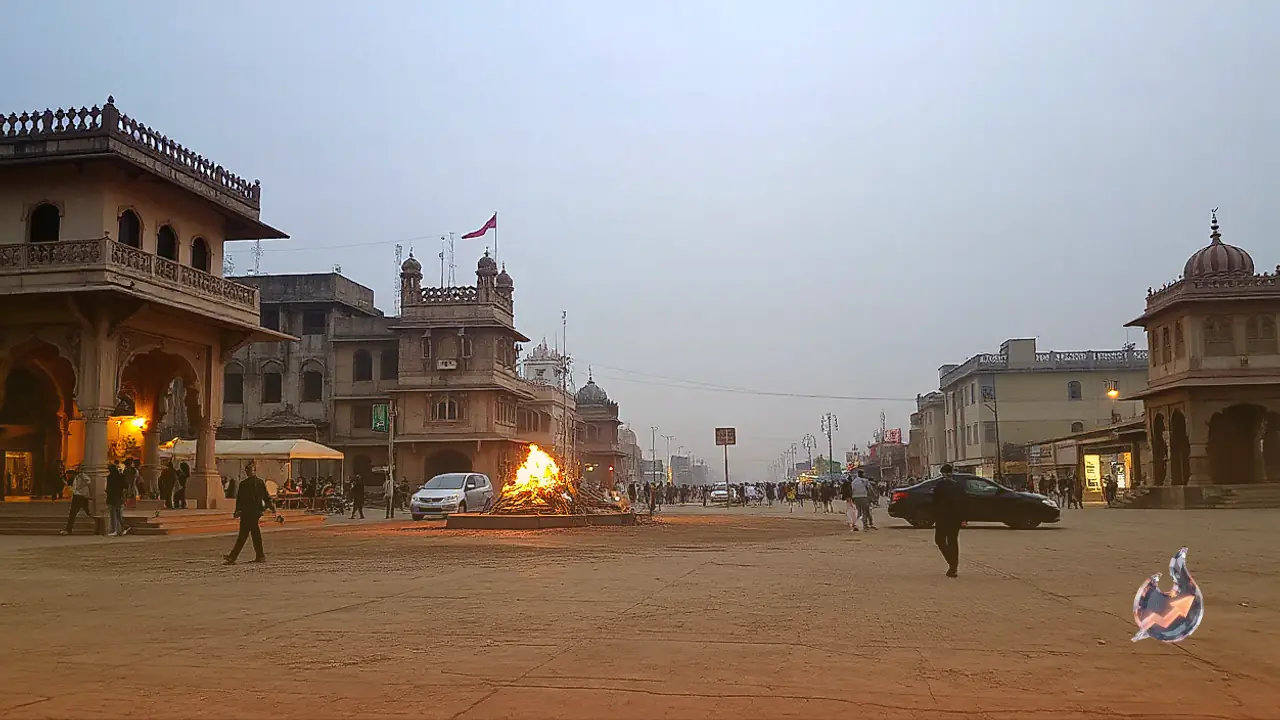

In Hindu tradition, Ekadashi fasts hold profound spiritual reverence. Dedicated to Lord Vishnu, observing this sacred fast is believed to bring immense blessings and prosperity. Each lunar month brings two Ekadashi days, one during the waxing phase and another during the waning phase. The Ekadashi falling in the dark fortnight (Krishna Paksha) of the Margashirsha month is designated as Utpanna Ekadashi. This particular day holds unique importance, as it is considered the most auspicious occasion for devotees seeking to begin a year-long pledge of observing every Ekadashi fast.
Utpanna Ekadashi 2026 Date and Tithi Details
According to the traditional calendar, the Margashirsha Krishna Paksha Ekadashi Tithi commences on December 3, 2026, at 11:03 PM. The Tithi concludes on December 4, 2026, at 11:44 PM. Following the Udayatithi rule, where rituals align with the sunrise position, the Utpanna Ekadashi fast will be observed on December 4, 2026.
Paran Timings and Observance Rules
Properly completing the fast through Paran on the following day is an indispensable step in Ekadashi rituals. Fasting guidelines state that Paran must occur after sunrise on Dwadashi and strictly before the Dwadashi Tithi ends. Breaking the fast outside the valid Dwadashi window is considered spiritually unfavorable. For this fast, Paran will take place on December 5, 2026. The auspicious time window for breaking the fast runs from 6:59 AM to 9:04 AM on December 5. On that day, Dwadashi Tithi ends at 12:51 AM (past midnight into December 6).
Auspicious Timings (Shubh Muhurat) for Puja
Devotees planning prayers, recitations, or rituals on December 4, 2026, can utilize the following auspicious time slots throughout the day
- Brahma Muhurat: 05:10 AM to 06:04 AM
- Pratahsandhya: 05:37 AM to 06:59 AM
- Abhijit Muhurat: 11:50 AM to 12:32 PM
- Vijaya Muhurat: 01:55 PM to 02:37 PM
- Godhuli Muhurat: 05:21 PM to 05:49 PM
- Sayahna Sandhya: 05:24 PM to 06:45 PM
The Mythological Origin of Utpanna Ekadashi
The naming and sacred status of Utpanna Ekadashi stem from an ancient tale in Hindu lore. According to legend, a formidable demon named Mur once attempted to attack Lord Vishnu. At that crucial moment, a divine goddess emerged directly from the body of Lord Vishnu and slayed the demon Mur.
Impressed by her divine intervention, Lord Vishnu blessed the goddess. Because her manifestation took place on the Krishna Paksha Ekadashi of Margashirsha, Lord Vishnu named her Ekadashi and declared that she would be worshipped alongside him on every Ekadashi going forward. Since the goddess of Ekadashi originated on this specific day, the occasion came to be known as Utpanna Ekadashi.