















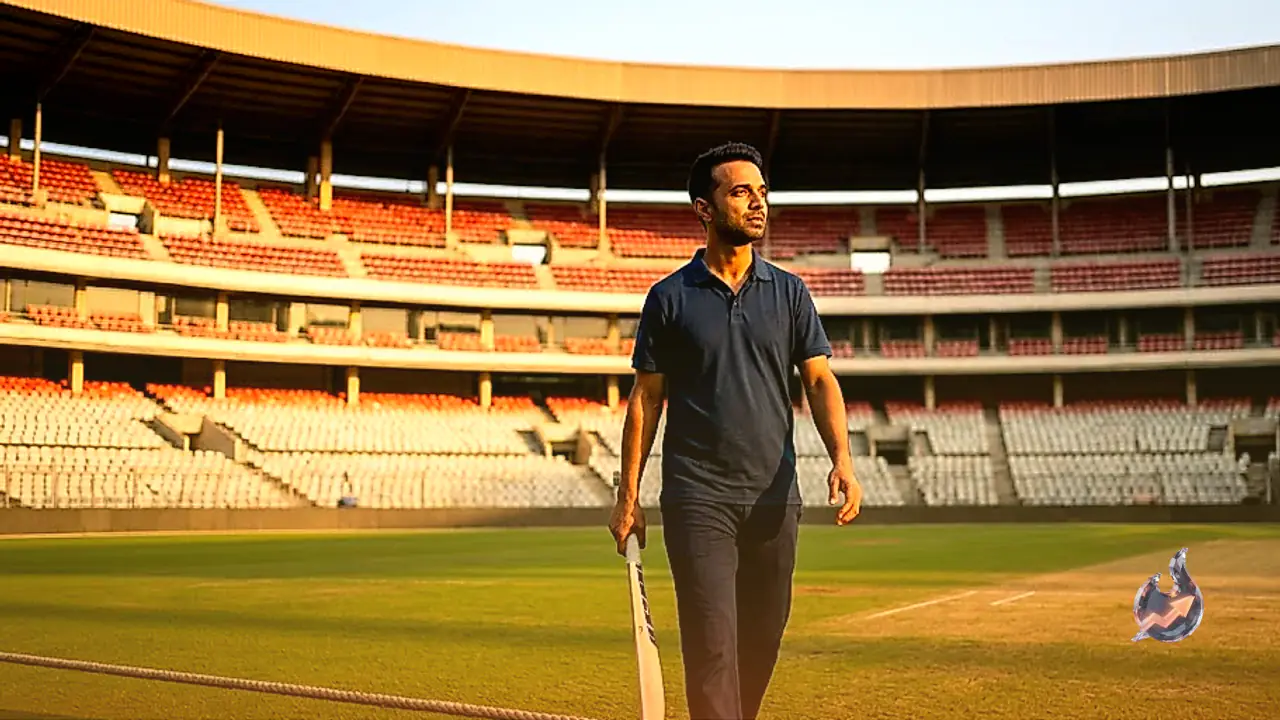

The history of Indian cricket features several poignant chapters where players with exceptional talent and historic achievements see their international journeys reach an abrupt end. On July 30, when veteran batsman Ajinkya Rahane released an emotional video announcing his retirement from all formats of international cricket, cricket enthusiasts were reminded once again of this bittersweet reality. The man who stepped into the breach under the most grueling circumstances to lead Team India to an iconic victory in Australia retired without receiving a formal farewell match on the field. Known for his serene demeanor and resolute temperament, 'Ajju' eventually fell victim to the complex selection system of Indian cricket, much like legends before him such as Rahul Dravid and Yuvraj Singh.
From Ahmednagar to Mumbai's Renowned Cricket Factory
Born in 1988 in Ahilyanagar (Ahmednagar), Maharashtra, to Madhukar Rahane, Ajinkya harbored an unrelenting desire from early childhood to represent India on the international stage. He joined Mumbai's esteemed 'cricket factory', an ecosystem famous for sculpting world-class technical batting talent. Forged in Mumbai's demanding domestic circuit, Rahane's batting style stood in stark contrast to his contemporaries. He did not possess the overt aggression of Virat Kohli nor did he dismantle bowling attacks with the boundary-hitting authority of Rohit Sharma. Instead, Rahane carved his niche through impeccable technical correctness, composure, and remarkable mental fortitude under pressure. His playing demeanor combined the administrative calm of MS Dhoni with the stoic patience of Rahul Dravid. While he was fundamentally a classical Test batsman, he possessed the versatility to accelerate when required and proved to be an exceptionally astute leader.
The Melbourne Triumph and Border-Gavaskar Trophy Glory
Cricket is as much a test of mental fortitude as it is a battle between bat and ball. When pressure escalates to extraordinary heights, true leaders emerge, and Rahane was a master of managing high-stakes situations. This was showcased during India's tour of Australia in 2020-21. The four-match Border-Gavaskar Trophy began with a pink-ball day-night Test in Melbourne, where Team India collapsed to a historic low of 36 runs in their second innings. Labeled one of the darkest days in Indian cricket history, the humiliation was compounded when regular captain Virat Kohli returned to India for the birth of his child. With team morale completely shattered and pundits predicting a 0-4 whitewash, Ajinkya Rahane assumed captaincy. Under his calm and resolute leadership, India executed a miraculous turnaround, winning two matches and drawing another to capture the Border-Gavaskar Trophy by a 2-1 margin. Rahane's captaincy and century in that Melbourne Test remain a shining beacon in his career.
A Quiet Warrior Armed With Patience and Technique
Controlling emotions amid intense competition is a rare quality in elite sports. Free from anger, jealousy, or flashiness, Rahane maintained complete control over his emotions. On the field, he neither celebrated wickets with wild exuberance nor showed frustration during setbacks. Whether in victory or defeat, his composure remained unwavering. Rahane earned a reputation as one of India's most technically sound batsmen, often recording better averages on challenging overseas pitches than at home. His batting reflected the traditional Test methodology of Rahul Dravid, preferring to wear down opposing bowlers by according respect to good deliveries before capitalizing on loose balls once the opposition tired.
Modern Cricket Demands and Career Statistics
While Rahane was a classical batsman of rare quality, he struggled to adjust to the rapidly evolving demands of modern white-ball cricket. The constant imperative to hit immediate boundaries put pressure on his natural rhythm, leading to his exclusion first from T20 International plans and subsequently from the ODI format. Although he seemed destined to complete 100 Test matches, his inability to consistently convert solid starts into massive hundreds ultimately prompted selectors to look past him in the longest format as well. Rahane concludes his international career having represented India in 85 Tests, scoring 5077 runs. Across 90 ODIs, he accumulated 2962 runs, while adding 375 runs in 20 T20 Internationals.
Simplicity Off the Field and Domestic Legacy
Off the pitch, Rahane's life reflected the same humility that defined his game. When he married Radhika, he eschewed lavish wedding attire and royal fanfare, famously arriving at his wedding venue dressed simply in jeans and a t-shirt. Having announced his arrival in domestic cricket by scoring nearly 1000 runs in his initial Ranji Trophy season, Rahane's journey from a humble background to international glory remains an inspiring story. Although he missed out on a formal farewell match, his leadership during India's greatest overseas Test triumph ensures his place among the respected figures of Indian cricket.