




















Farmers across the Terai region, including Lakhimpur Kheri in Uttar Pradesh, are increasingly adopting beekeeping alongside traditional agriculture as a reliable source of supplementary income. This practice can be initiated in a compact space, generating earnings not just from honey but also from wax and other related hive products. However, the rainy season is widely regarded as a particularly challenging period for apiarists, requiring careful management to sustain their colonies.
The Growing Threats During the Rainy Season
During prolonged spells of rain, bees are unable to venture out of their hives for extended periods. As a result, they fail to secure an adequate supply of natural nutrition. At the same time, high humidity trapped inside the hive significantly increases the risk of fungal growth, pests, and various diseases. Without timely inspections and proper maintenance, weaker colonies suffer a rapid decline in bee population, which directly impacts overall honey production.
Choosing the Right Location for Hives
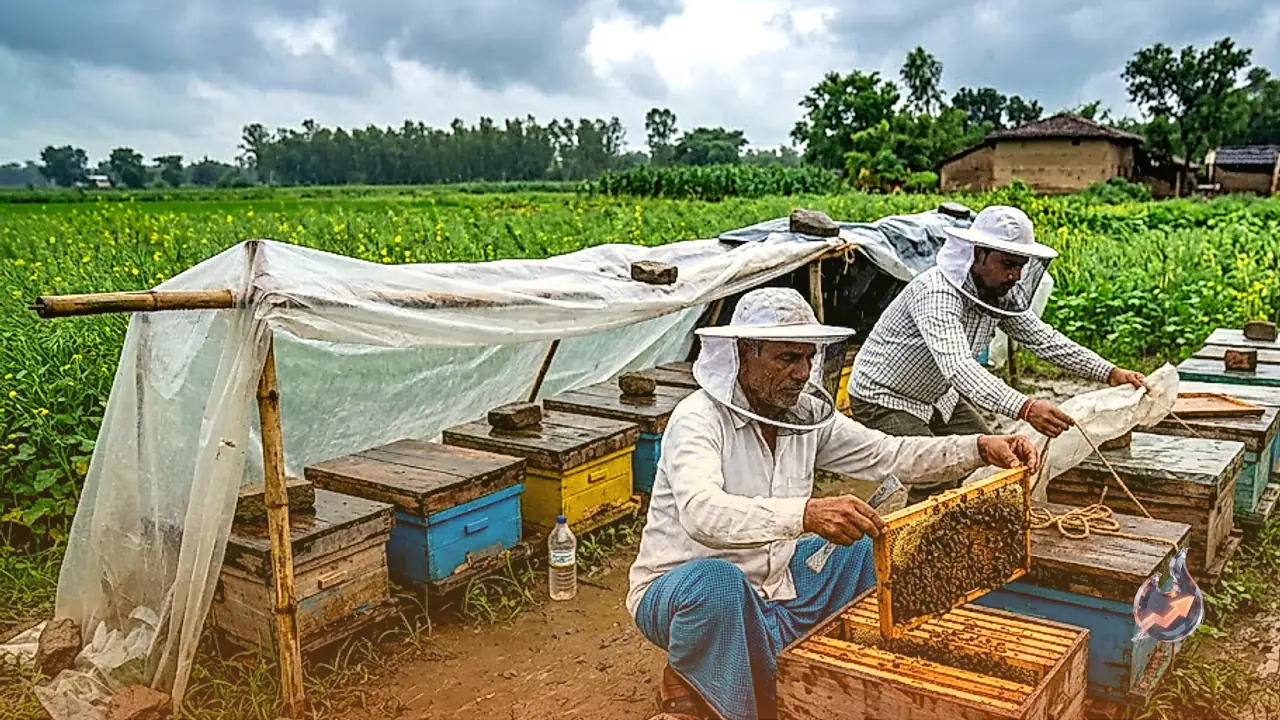
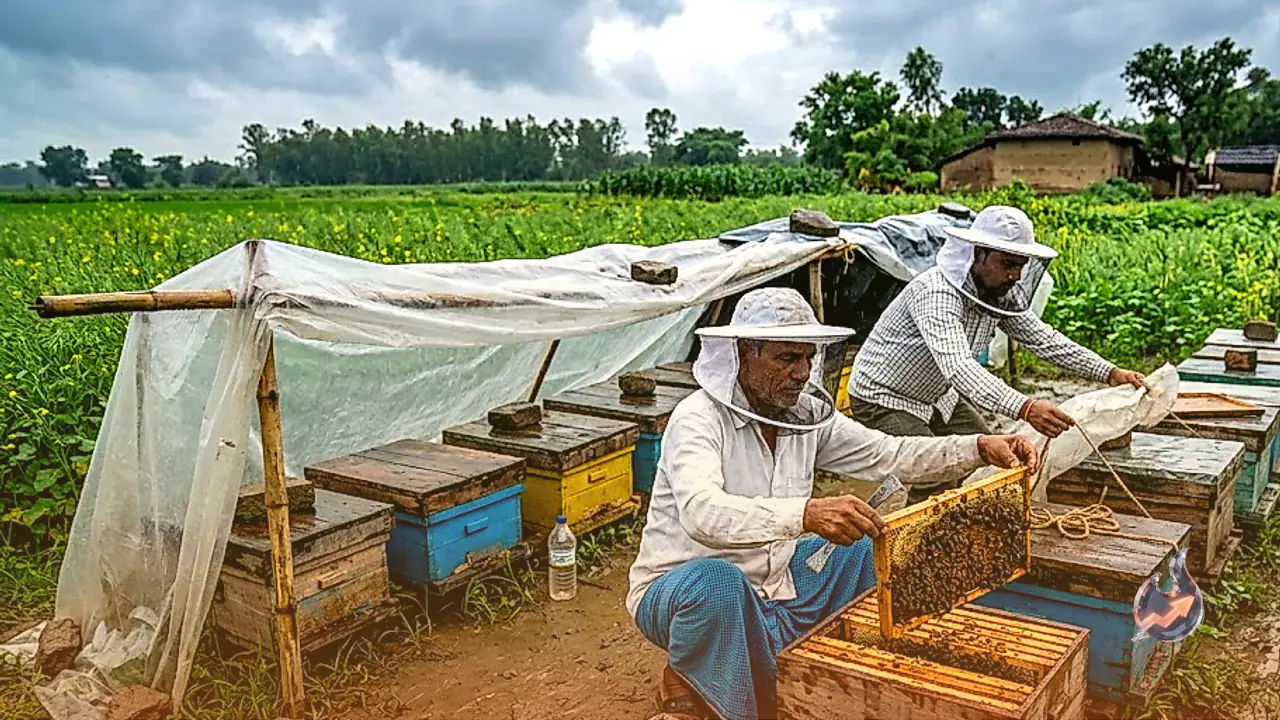
Selecting the optimal placement for beehive boxes before the onset of the monsoon is critical. Hives should always be positioned in elevated and dry locations where rainwater cannot accumulate. Placing boxes directly on the ground allows moisture to seep inside from underneath, which is why boxes must be elevated using stands or sturdy bricks to keep them well above ground level.
Maintaining Cleanliness and Drainage
Strict cleanliness around the beekeeping site is essential during the monsoon months. Grass, bushes, and debris growing near the hives should be cleared regularly to prevent hazards from snakes, lizards, ants, and other pests. If waterlogging occurs due to rain, drainage arrangements must be made immediately. Hives should remain elevated and dry, and their entry points should be kept wide enough to allow unhindered movement for the bees.
Precautions While Extracting Honey
Extra caution is required when harvesting honey during the rainy season. Excessive humidity in the surrounding atmosphere can degrade the quality of the honey. Therefore, the condition of the hive and the weather must be thoroughly evaluated before extraction. It is advisable to harvest only fully prepared and properly sealed honey frames. Storing honey with high moisture content without proper processing ruins its shelf life and overall quality.
Night Placement and Monitoring the Queen Bee
Bee boxes should be arranged at night in a suitable location, maintaining a distance of about 5 feet between individual boxes. The entry gates should be opened so the bees can resume their work smoothly. Furthermore, beekeepers must regularly open the boxes to inspect the queen bee and address any emerging deficiencies to meet the colony's requirements. Cultivating flowering crops around the apiary site also provides mutual benefits for the bees.
Insights from District Horticulture Officer
District Horticulture Officer Mrityunjay Singh explained that the rainy season poses significant challenges for bees. During this period, the availability of blooming flowers decreases drastically, leaving bees without sufficient pollen and food. Food scarcity impairs their daily activities, rendering them weak and inactive. If this condition persists for a prolonged duration, the risk of bee mortality increases substantially. Consequently, beekeepers must pay close attention to the nutrition and health of their colonies throughout the monsoon.